The Sound That Should Keep You Awake at Night
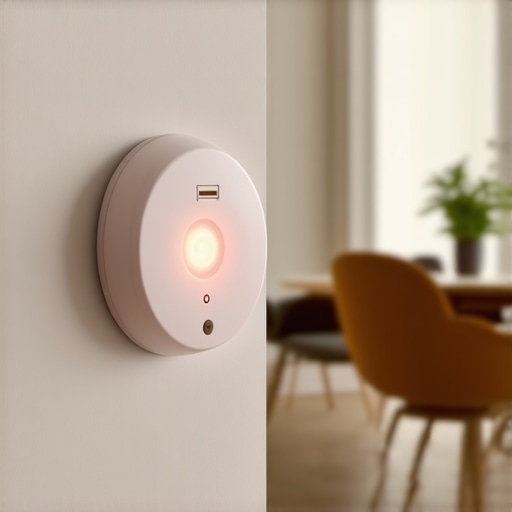
Most homeowners treat a carbon monoxide (CO) detector chirp like a nuisance, a digital mosquito to be silenced with a battery swap or a frustrated smack. But in my thirty years of crawling through crawlspaces and sweating out heatwaves, I’ve learned that the sound of silence is often the most dangerous thing in a house. When that detector goes off, it’s not just a beep; it’s the voice of a failing heat exchanger or a back-drafting flue pipe telling you that the chemistry of your home has turned toxic. Carbon monoxide is the byproduct of incomplete combustion, and ignoring its warning is like ignoring a gas leak with a lit match in your hand.
The Physics Lesson: Why You Can’t Cool What You Can’t Touch
My old mentor used to scream at me during my apprenticeship, ‘You can’t cool what you can’t touch!’ This was his way of hammer-drilling the importance of airflow into my skull. He meant that if the air isn’t physically moving across the evaporator coil, the thermodynamics of the system fail. The same applies to heating. If your furnace or biomass boiler services aren’t moving enough air—or worse, if the air is mixing with combustion gases—you aren’t just losing efficiency; you’re losing oxygen. This is why manual J calculations are so vital; they aren’t just for sizing an AC. They ensure your ductwork can handle the static pressure required to vent exhaust gases out of the house rather than letting them linger in your living room.
“The most expensive equipment in the world cannot overcome a bad duct system.” – Industry Axiom
The Anatomy of a Silent Killer: The Heat Exchanger
Think of your furnace’s heat exchanger as the lungs of the machine. It is a set of metal tubes or chambers that separate the burning fuel (the “gas”) from the air you breathe. When the burners ignite, the metal expands. When they turn off, it contracts. After fifteen years of this thermal stress, the metal fatigues. You get a microscopic crack. At first, it’s nothing. But as that crack grows, the blower motor replacement you thought was just a routine fix suddenly reveals a much darker reality: the blower is pushing household air into the combustion chamber, disrupting the flame and pushing CO back into the supply vents. This is why how to identify when furnace repair is urgent is the most important knowledge a homeowner can have. If you see a lazy, flickering yellow flame instead of a crisp blue cone, you’re looking at a ghost in the making.
Climate Context: The Polar Vortex and the Frozen Flue
Up here in the North, the enemy isn’t just heat; it’s the cold that turns mechanical components brittle. When we hit a polar vortex, your heating system runs 100% duty cycle. In these conditions, moisture in the exhaust can freeze at the chimney cap. This ice dam forces CO back down the vent. Whether you are dealing with baseboard heater repair or complex hydronic heating systems, the venting physics remain the same. If the exhaust can’t leave, it stays. This is particularly dangerous for those still using old fuel oil systems. I often recommend an oil to gas conversion not just for the ‘juice’ (fuel) savings, but for the modern safety sensors and cleaner combustion that newer gas-fired or heat pump installation options provide. A heat pump, for instance, removes the combustion risk entirely because it’s moving heat, not making it.
The Forensic Diagnosis: Capacitor, Contactor, and CO
When I walk into a ‘no heat’ call, I’m not just looking for a blown capacitor or a welded contactor. I’m looking for the ‘why.’ If I find a soot-covered ‘Pookie’ (mastic) seal on a plenum, I know the system has been back-drafting for months. Duct cleaning services can help with airflow, but they won’t fix a cracked heat exchanger. You have to understand the math of the repair. If your furnace is 20 years old and the heat exchanger is gone, you don’t just replace the part; you replace the system. Throwing $2,000 at a $500 machine is the ‘Sales Tech’ way, and I won’t have it. We look at the AFUE ratings and decide if a modern, high-efficiency unit is the safer, cheaper path long-term.
“Carbon monoxide alarms shall be installed in each bedroom or within 15 feet of each sleeping area.” – NFPA 720 / ASHRAE Standards
The 2025 Transition: Refrigerants and Safety
As we move into 2025, the industry is shifting toward A2L refrigerants. These are ‘mildly flammable,’ which means sensors are becoming even more critical in our equipment. Whether you’re looking at evaporative cooler services in the summer or infrared heater installation for a garage, the integration of safety shut-offs is the new standard. This isn’t some ‘game-changer’ marketing fluff; it’s literal life-safety engineering. If you’re curious about how these new systems differ, check out the heating service innovations transforming 2025 climate control. The modern tech is smarter, but it still relies on the basics: clean coils, tight ducts, and proper venting.
Preventive Maintenance vs. The Scam Tune-Up
Don’t fall for the $29 tune-up. A real tech—a ‘Tin Knocker’ or an ‘Airflow Architect’—doesn’t just vacuum the floor and leave. They use a combustion analyzer to measure the parts per million (PPM) of CO in your flue. They check the suction line to ensure the system isn’t slugging the compressor. They verify that the infrared heater installation hasn’t been placed too close to combustibles. Most importantly, they test your CO detectors. If your detector is over seven years old, it belongs in the trash. The sensors degrade. That ‘beep’ you’re ignoring might be the unit’s final cry for help before the sensor dies completely. For more on keeping your system alive, read about top hvac repair strategies to extend your systems life. Remember, in this trade, physics doesn’t care about your budget. It only cares about the pressure and the flame. Stay safe, keep your vents clear, and never, ever ignore the chirp. “,”image”:{“imagePrompt”:”A professional HVAC technician in a dark basement using a digital combustion analyzer to check a furnace’s exhaust for carbon monoxide, focusing on the blue flame visible through a small inspection port.”,”imageTitle”:”HVAC Technician Performing Combustion Analysis”,”imageAlt”:”Professional testing furnace for carbon monoxide leaks with a digital analyzer.”},”categoryId”:1,”postTime”:”2023-10-27T10:00:00Z”}