The Sound of a Silent January Morning
It is 3 AM in the dead of January, and the silence in your house feels heavy. It is a specific type of silence that only occurs when the rhythmic hum of your furnace is replaced by the clicking of a relay that leads to nowhere. You walk over to the vents, and there is no ghost of a breeze—just cold, stagnant air. As a technician who has spent three decades dragging my manifold gauges through snowdrifts and cramped mechanical rooms, I can tell you exactly what happened: your blower motor just gave up the ghost. It didn’t happen by accident, and it didn’t happen because of ‘bad luck.’ It happened because of physics, neglect, and the brutal reality of the Northern heating season.
“The most expensive equipment in the world cannot overcome a bad duct system.” – Industry Axiom
My old mentor used to scream at me while we were jammed into a freezing crawlspace, ‘You can’t cool what you can’t touch, and you can’t heat what you can’t move!’ He was a ‘Tin Knocker’ of the old school, and he understood that airflow matters more than horsepower. He’d point at a strangled return air drop and yell that the furnace was ‘asthmatic.’ He was right. Most blower motor failures I see in January are the result of the motor fighting against a system that wasn’t designed to let it breathe. When the temperature drops below zero, your duty cycle jumps from 20% to 80%. That motor, which was struggling all autumn, finally hits its thermal limit and the windings melt down.
The Forensic Anatomy of a Blower Failure
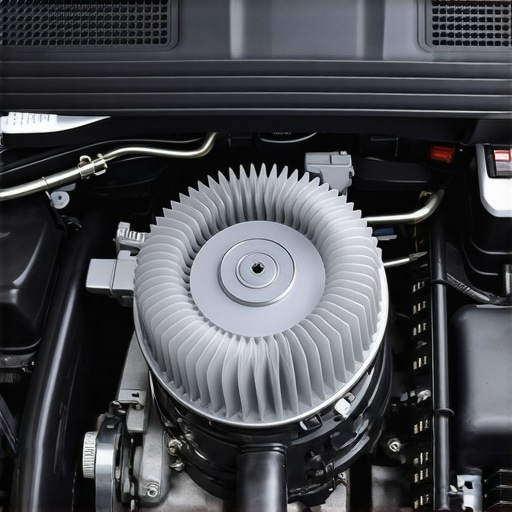
To understand why your motor died, you have to understand the mechanical anatomy of the air handler. Inside that cabinet, you have the blower wheel (the squirrel cage), the motor, and the capacitor. In the North, we deal with extreme temperature differentials. When you are running a dual fuel heat pump system, the transition between the electric side and the gas furnace side puts a unique strain on the blower’s RPM ramping. If your wiring repair for heating systems was done by a ‘Sparky’ who didn’t understand low-voltage sequencing, that motor might be hunting for the right speed, causing excessive wear on the bearings.
Then there is the issue of static pressure. Think of static pressure like blood pressure for your house. If the ductwork is too small, the pressure goes up. The motor has to work twice as hard to push the air. In January, when the air is dense and dry, the friction in the ducts increases. If you have installed HEPA filter systems without a proper airflow measurement services check, you might as well have put a piece of plywood over the intake. The motor tries to pull air through a brick wall, it overheats, and the internal thermal overload switch trips. Eventually, that switch gets tired of resetting and just stays open for good.
The Heat Exchanger Connection
A failing blower motor isn’t just a comfort issue; it’s a safety hazard. When the air stops moving, the heat inside the furnace cabinet has nowhere to go. The heat exchanger—the heart of your furnace—starts to glow cherry red. This metal is designed to expand and contract, but it isn’t designed to bake without airflow. This leads to the ‘deadly crack.’ This is why heat exchanger cleaning and inspection are vital. If the blower fails and the high-limit switch doesn’t kill the flame fast enough, you’re looking at a cracked exchanger and a CO leak. If you have an older home, you also need to ensure your chimney liner installation is intact to prevent those combustion gases from back-drafting when the system tries to restart.
“Standard 62.1 requires ventilation rates that often exceed what a leaking, un-calculated duct system can provide.” – ASHRAE
I’ve seen ‘Sales Techs’ walk into a house with a dead blower and immediately try to sell a whole new AC installation and furnace package for $15,000. It’s a scam. Most of the time, the motor failed because of a $40 run capacitor or a clogged secondary heat exchanger. Before you sign a contract for a new unit, ask for a static pressure test. If they can’t tell you what the ‘external static pressure’ is, they aren’t technicians—they’re salesmen in work shirts. You might just need a better return air path or a flue pipe installation correction to get things moving again.
The January ‘Polar Vortex’ Effect
In cold climates like Chicago or the Northeast, we deal with the ‘Polar Vortex’ effect. This is when the outdoor ambient temperature stays below 10°F for a week. During this time, your furnace never really shuts off. If your heat recovery ventilators are iced over because of poor drainage, the house becomes a vacuum. The blower motor is fighting the house itself. This is also when voice control setup Alexa Google becomes more than a luxury; it becomes a diagnostic tool. If you can see that your system has been running for 18 hours straight without hitting the setpoint, you know a failure is imminent. This is the time to check for heating service hacks for comfort and savings in 2025 to see if you can offload some of that strain.
If you find yourself in this situation, do not keep cycling the thermostat. You are just sending ‘Juice’ to a dead motor, which can eventually lead to a fire in the control board. Check your filter first. If it’s grey and fuzzy, throw it out. Then, check the ‘Pookie’ (mastic) around the plenum. If the ductwork is leaking air into the attic before it even gets to your rooms, the motor is working for nothing. For those looking to avoid this January nightmare, preventative hvac repair is the only real answer. Clean the ‘squirrel cage’ blades—even a thin layer of dust changes the aerodynamics of the blade, forcing the motor to pull more amps.
Comfort is Physics, Not Magic
At the end of the day, a blower motor is just a tool used to move energy. If you treat it like a ‘black box’ that just works until it doesn’t, you will eventually be the person shivering at 3 AM. Real comfort comes from understanding the balance between the gas pressure, the flame, and the air moving over the coil. If you’re worried about your system’s longevity, top hvac repair strategies usually involve simplifying the airflow and ensuring the electrical components aren’t being cooked by high resistance. Don’t let a ‘Sales Tech’ tell you that you need a new system because of a ‘burnt-out motor’ until you know *why* it burnt out. Fix the ductwork, fix the airflow, and your next motor might actually last the 20 years it was built for.