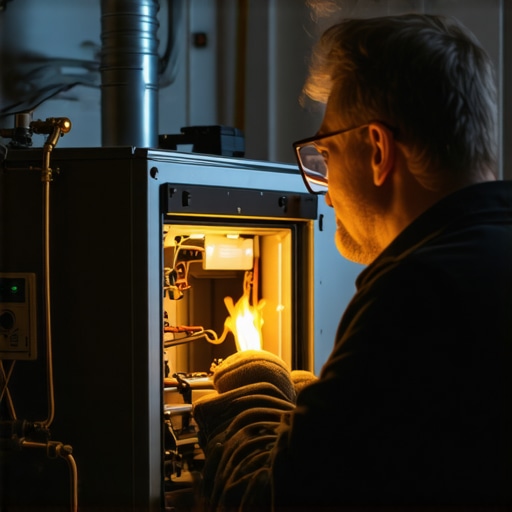
I remember the cold snap that hit unexpectedly last winter. My furnace sputtered and groaned like it was protesting the freeze, leaving my family shivering and frustrated. That moment was a real eye-opener. It made me realize how crucial dependable heating services are when the temperature drops and comfort is on the line. If you’ve ever experienced a sudden breakdown or worry about your system failing in the dead of winter, you’re not alone. The good news is, with a bit of knowledge and the right support, you can keep your home warm and cozy no matter what the weather throws at you.
Why Reliable Furnace Repair Matters More Than Ever
Let’s face it: our homes are supposed to be sanctuaries, especially when the cold winds start howling outside. But a broken or poorly maintained furnace can turn that sanctuary into a chilly nightmare. According to industry experts, regular maintenance and prompt repairs not only extend the lifespan of your system but also ensure it runs efficiently when you need it most. This isn’t just about comfort; it’s about safety, savings, and peace of mind. Skipping that annual tune-up or delaying repairs can lead to higher energy bills and unexpected breakdowns at the worst possible time. Trust me, I’ve been there—mistakes like ignoring minor issues early on can cost a lot more down the line. That’s why I recommend staying ahead with preventative tips and professional checkups. Curious how to avoid those chilly surprises? Check out these preventative HVAC repair tips for year-round efficiency.
Is It Really Worth Investing in Expert Repairs?
You might wonder if calling in the pros is always necessary or if you can just DIY your way out of a heating hiccup. Honestly, I’ve made the mistake early on of trying to fix my furnace myself—thinking I could save a few bucks. Let me tell you, that was a rookie move. Not only did I risk making the problem worse, but I also ended up spending more on emergency repairs later. Professionals have the training, tools, and experience to diagnose issues accurately and fix them safely. Trusting the experts is a smart investment, especially when it comes to your family’s comfort and safety. Want to learn more about common furnace myths? Visit this myth-busting guide.
So, if your furnace has started acting up or you’re just keen to keep it running smoothly, stay tuned. I’ll share practical steps and expert advice on how to ensure your heating system remains reliable, efficient, and ready to battle winter’s worst. Because when it comes to warmth and trust, being prepared is the best strategy.
Diagnose Before You Dive In
When my furnace started making strange noises last winter, I didn’t jump straight to calling a professional. Instead, I conducted a quick visual check—looked for loose wires or debris blocking vents. This simple step is like giving your system a quick health scan. If you spot obvious issues, such as a dirty filter or a tripped breaker, addressing those can restore warmth without delay. For a deeper understanding, check out this guide on choosing the right HVAC fixes.
Clean and Replace Parts Methodically
Think of your furnace like a car engine—dirt and grime can hinder performance. I learned this firsthand when I replaced my clogged filter, which immediately improved airflow. Regularly cleaning or replacing filters is crucial; aim for every 1-3 months during peak use. Also, inspect the blower motor and belts for wear. If parts look worn out or damaged, replacing them is straightforward and cost-effective. For detailed tips, visit this resource on furnace repair solutions.
Check Thermostat Settings and Wiring
My thermostat was acting up one cold evening, causing the heat to turn off unexpectedly. I double-checked the settings—sometimes a simple misconfiguration is the culprit. Ensure the thermostat is set to ‘auto’ and at a temperature higher than the current room temp. If wiring looks frayed or loose, tighten or replace connections. Using a multimeter to test voltage can reveal if the thermostat is malfunctioning. Remember, precision matters; a faulty thermostat can mimic other issues. For a comprehensive troubleshooting approach, see this troubleshooting guide.
Inspect the Flue and Ventilation
Blocked vents or chimneys can cause dangerous buildup of gases. I once found bird nests blocking my vent pipe, which could have been deadly. Regularly inspect these pathways for obstructions or debris. Clear any blockages and ensure vents are sealed properly. If you’re unsure, a professional inspection is wise. Proper ventilation not only keeps your home safe but also helps your furnace operate efficiently. For more safety tips, visit this safety blueprint.
Test and Adjust Gas Supply
If your furnace runs on gas, any disruption can halt heating. I once experienced a slight smell of gas—immediately, I turned off the supply and called a pro. Before attempting to adjust gas lines yourself, remember that this is dangerous and best handled by licensed technicians. However, you can check for leaks using a soap solution on connections. Ensuring proper gas flow prevents future breakdowns and safety hazards. For detailed procedures, see myth-busting guide on furnace myths.
Schedule Professional Maintenance
Despite my DIY efforts, I learned the importance of annual professional checkups. A technician can identify issues I wouldn’t notice—like worn-out heat exchangers or failing ignitors—and fix them before breakdowns occur. Regular maintenance extends system lifespan and improves efficiency. Think of it as a tune-up for your home’s heartbeat. For the best results, contact trusted experts through this contact page.
Many homeowners believe they understand the ins and outs of furnace maintenance, but there are several misconceptions that can lead to costly mistakes. One of the most persistent myths is that ignoring small issues won’t impact your system in the long run. In reality, what seems like a minor problem—such as a slight increase in energy bills or a strange noise—could be a sign of a bigger underlying issue. Delaying repairs or pretending problems will resolve themselves often results in more extensive damage and higher repair costs. Regular inspections by a professional can catch these issues early and save you money, so don’t dismiss the signs of impending trouble.
Another widespread misconception is that DIY fixes are always sufficient. While some basic maintenance tasks like changing filters are straightforward, complex problems—especially those involving gas lines or electrical components—should be handled by trained technicians. Attempting to fix these yourself can pose safety risks and may void warranties. Relying on experts ensures that repairs are done correctly and safely, protecting your home and loved ones. For more insights, check out this myth-busting guide.
Why Overlooking Advanced Diagnostics Can Backfire
Many homeowners overlook the importance of comprehensive diagnostics, assuming that a quick fix is enough. However, modern furnaces are complex systems that require advanced diagnostic tools to identify hidden issues. For example, a faulty heat exchanger might not be immediately apparent but can lead to dangerous carbon monoxide leaks if left unaddressed. Industry experts emphasize that thorough diagnostics not only improve repair accuracy but also extend the lifespan of your system. Skipping this step can result in recurring problems and even safety hazards. To avoid this, invest in professional assessments, especially if your furnace is over 10 years old. Learn more about strategies to extend your HVAC system’s life.
Have you ever fallen into this trap? Let me know in the comments. Remember, proactive maintenance and trusting the right experts are your best defenses against costly furnace failures. Stay informed and keep your home warm and safe all year round!
Maintaining your furnace over time requires the right tools and a strategic approach. From diagnostic devices to cleaning equipment, having the right gear can make all the difference in keeping your heating system running smoothly and efficiently. I personally rely on a few key tools that have proven invaluable in my maintenance routine, and I recommend them to homeowners who want to take control of their furnace upkeep.
Invest in a Digital Multimeter for Precise Diagnostics
This is my go-to tool for checking electrical components and ensuring proper voltage levels. A reliable multimeter allows me to test thermostats, relays, and wiring connections accurately. I prefer a model with auto-ranging capabilities and a good display for quick readings. This helps me identify issues early before they escalate into costly repairs. For homeowners, a multimeter is an affordable investment that pays off in long-term savings and system reliability. When used correctly, it can even help you troubleshoot minor electrical faults without calling a technician.
Use a Combustion Analyzer for Gas Furnace Safety
If you have a gas-powered furnace, a combustion analyzer is essential. It measures emissions and efficiency, ensuring your system is burning fuel safely and optimally. I personally use a device that offers real-time readings of carbon monoxide levels, airflow, and combustion efficiency. Regular use of this analyzer during maintenance helps prevent dangerous leaks and keeps your system compliant with safety standards. For those serious about safety, investing in a good combustion analyzer is a no-brainer and can be rented if necessary.
Keep a Set of Assorted Screwdrivers and Wrenches
Furnace repairs often involve small screws and nuts. I keep a well-organized toolkit with Phillips and flat-head screwdrivers, along with adjustable wrenches. Having these on hand speeds up the process and reduces frustration. I recommend choosing tools with comfortable grips and durable materials, so they last for years of use. This simple addition to your toolkit can help you tackle minor repairs or filter replacements without waiting for a professional.
Embrace Software for Maintenance Scheduling and Record-Keeping
Beyond physical tools, I use a digital app to set reminders for filter changes, inspections, and professional tune-ups. This ensures I don’t forget essential maintenance tasks, which can significantly extend the lifespan of my furnace. Many apps also allow me to log repairs and track performance over time, providing valuable insights for future troubleshooting. Staying organized with software helps you catch issues early and plan for long-term system health.
Looking Ahead: The Future of Furnace Maintenance Tools
Advancements in smart technology promise even more effective ways to keep your furnace working. IoT-enabled thermostats and diagnostic sensors will soon provide real-time alerts and remote troubleshooting capabilities, reducing downtime and repair costs. As these innovations become more accessible, homeowners will have unprecedented control and insight into their heating systems. I encourage you to try integrating some of these tools into your routine, starting with a digital maintenance schedule or a basic multimeter. These small steps can lead to significant improvements in reliability and comfort.
How do I maintain my furnace over time?
The key is consistency. Regularly scheduled inspections, cleaning, and monitoring can prevent most issues from developing into emergencies. Using the right tools—like a multimeter for electrical checks or a combustion analyzer for safety—empowers you to diagnose problems early. Additionally, keeping detailed records helps identify patterns and plan future maintenance. Remember, investing in quality tools and staying organized will make your furnace maintenance more effective and less stressful. For comprehensive guidance, visit this resource and consider scheduling professional checkups through this contact page. Embrace technology and proper tools now, and your system will reward you with years of reliable service.
The Hardest Lesson I Learned About Furnace Maintenance
One of the most eye-opening lessons I learned was how neglecting small issues can lead to big winter failures. Ignoring a minor noise or a slight increase in energy bills might seem harmless, but these are often the first signs of underlying problems that can become costly if left unaddressed.
3 Myths About Furnace Repairs That Held Me Back
For years, I believed that DIY fixes could save money and time. It wasn’t until I faced a dangerous gas leak that I realized trusting licensed professionals is essential for safety and long-term reliability. Also, I thought annual checkups were unnecessary—big mistake that reduced my system’s lifespan.
What Industry Experts Won’t Tell You About Furnace Longevity
Professionals emphasize that comprehensive diagnostics are crucial. Hidden issues like faulty heat exchangers or electrical faults can cause safety hazards and inefficiency. Investing in regular professional assessments can extend your furnace’s life and keep your home safe.
My Essential Toolkit for Furnace Care
To keep my system in top shape, I rely on a reliable digital multimeter for electrical diagnostics, a combustion analyzer for safety, and a well-organized set of screwdrivers and wrenches. These tools empower me to perform routine checks, catch problems early, and avoid costly emergency repairs.
Where to Go from Here
If you’re serious about maintaining your furnace, start with regular inspections and use quality diagnostic tools. Remember, trusting experts for complex issues is worth every penny. For ongoing tips and professional support, visit this guide on preventative HVAC care or reach out to trusted professionals.
Your Turn to Take Action
Have you ever underestimated the importance of professional diagnostics or neglected small repairs? Share your experience below and let’s learn from each other’s furnace journeys. Staying proactive is the best way to ensure warmth and safety during those cold months!