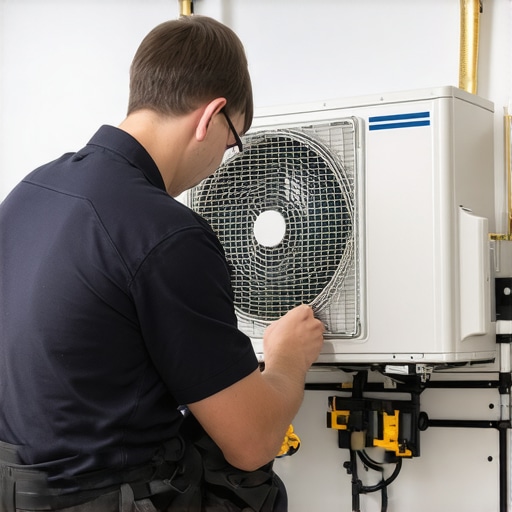
I remember the exact moment I realized I had underestimated the importance of a proper HVAC installation. It was a scorching summer afternoon, and my old air conditioning unit was barely keeping up. I had tried to save a few bucks by skipping professional help, only to end up with inconsistent cooling, skyrocketing energy bills, and a lot of frustration. That lightbulb moment made me realize just how crucial expert HVAC repair and installation are—not just for comfort, but for peace of mind and long-term savings.
Why Trusting the Pros Matters More Than Ever
Fast forward to today, I understand that a lot of homeowners face the same dilemma. When your AC or furnace falters, it’s tempting to try a quick fix or DIY approach. But the truth is, expert HVAC repair isn’t just about fixing what’s broken; it’s about restoring trust in your system and ensuring your home stays comfortable year-round. From proper installation to preventative maintenance, professional service makes all the difference. And if you’re wondering whether the investment is worth it, consider this: according to industry experts, improper HVAC installation can reduce system efficiency by up to 30%, costing you more in energy bills and repairs down the line. That’s a risk I personally don’t want to take.
What if It’s Just a Small Problem?
If you’ve ever faced the fear that a minor issue might turn into a costly disaster, you’re not alone. I made that mistake early on—ignoring small leaks or strange noises—and ended up with a full system overhaul. That experience taught me the value of timely, expert intervention. It’s always smarter to catch problems early, which is why regular inspections and maintenance are essential. Want to know how to spot the signs of urgent repairs? Check out this guide for expert tips on identifying when your furnace needs immediate attention.
So, if you’ve faced similar frustrations or simply want to avoid costly surprises, stay with me. We’ll explore proven strategies to get your HVAC system running smoothly and reliably, with expert insights that can help you rebuild trust in your home’s climate control. Ready to take control? Let’s dive into the practical steps that can make all the difference.
Measure Twice, Cut Once: Planning Your HVAC Setup
When I decided to upgrade my old furnace, I started by assessing my home’s heating needs. I used a detailed checklist to determine the right size and capacity—think of it as tailoring a suit to fit perfectly. Accurate measurements prevent oversized or undersized units, which can cause inefficiency or frequent breakdowns. I also checked the existing ductwork to ensure compatibility, avoiding surprises during installation. For a detailed guide on choosing the right system, check this resource.
Preparing the Site for Precision Installation
Next, I cleared the installation area, removing clutter and ensuring easy access. Proper placement of the unit is crucial—think of it as parking your car in the best spot for quick access and airflow. I verified that the foundation was level and sturdy, preventing future vibrations or shifting. Additionally, I checked local building codes and secured necessary permits, which saved me headaches later. This step is vital; skipping it can lead to costly rework or legal issues. For tips on effective installation, see this article.
Executing the Installation with Precision
During installation, I followed the manufacturer’s instructions meticulously. I connected the electrical wiring and refrigerant lines, making sure everything was sealed tightly—like zipping a suitcase to avoid lost items. I paid special attention to the airflow direction and clearance space around the unit. For complex connections, I relied on a professional’s expertise; trying to DIY these can be risky. Once installed, I tested the system thoroughly, ensuring it cycled correctly and responded to temperature settings. Proper testing prevents future breakdowns and guarantees efficiency. For expert insights, visit this guide.
Fine-Tuning and Maintenance for Longevity
After installation, I scheduled regular maintenance to keep the system running smoothly. This includes replacing filters, inspecting ductwork, and checking refrigerant levels—similar to routine car servicing. I also set reminders for professional inspections, which catch issues early and extend the lifespan of my system. Preventative care is more cost-effective than emergency repairs, especially if you follow tips from this resource. Remember, a well-maintained HVAC system is your best defense against unexpected failures and high energy bills. For advanced maintenance strategies, explore this article.
Many homeowners operate under misconceptions that can lead to costly mistakes in HVAC installation and repairs. Let’s dig deeper into some of the most widespread myths and clarify what truly matters for lasting comfort and efficiency.
Is Bigger Always Better for HVAC Units?
A common belief is that larger units provide better cooling or heating. However, oversizing your system can cause frequent cycling, increased wear, and higher energy bills. Proper sizing, calculated based on detailed load assessments, ensures your HVAC system operates efficiently and reliably. For a comprehensive approach, check this guide.
DIY Fixes Are Enough for Minor Issues
Many think that small problems like minor leaks or strange noises are simple enough to handle without professional help. But neglecting expert diagnosis can turn minor issues into major repairs. For example, ignoring refrigerant leaks can compromise system efficiency and cause long-term damage. Regular inspections and professional repairs prevent this. To learn more, visit this resource.
Advanced Question: How Do I Know When It’s Time to Call a Pro?
Even seasoned homeowners can struggle to identify urgent repair needs. Signs like inconsistent temperatures, escalating energy bills, or unusual system noises indicate that professional intervention is necessary. Recognizing these signs early can save you money and extend your system’s lifespan. For detailed insights, see this article.
Remember, trusting the expertise of HVAC professionals ensures that your system is installed and maintained correctly, avoiding costly mistakes and ensuring your home’s comfort. Have you ever fallen into this trap? Let me know in the comments!
Maintaining your HVAC system over time requires more than just routine inspections; it demands the right tools and a strategic approach to ensure longevity and optimal performance. Over the years, I’ve tested various equipment and methods, and I can confidently say that investing in specific, high-quality tools makes all the difference in troubleshooting and routine maintenance.
Why I Rely on a Digital Manometer for Pressure Checks
One of my go-to tools is a digital manometer, which I use to measure refrigerant pressure accurately during inspections. Unlike analog gauges, digital models provide precise readings that help identify low refrigerant levels or system blockages without guesswork. I prefer models like the Testo 549 because of its clarity and durability, making it invaluable during both professional repairs and DIY inspections.
Using a Multimeter to Ensure Proper Electrical Functioning
A reliable multimeter is essential for diagnosing electrical issues in HVAC systems. I use the Fluke 117 because of its accuracy and user-friendly interface. It allows me to test voltage, current, and resistance, ensuring that components like thermostats, relays, and capacitors are functioning correctly. Proper electrical diagnostics prevent misdiagnoses that can lead to unnecessary replacements or delayed repairs.
Smart Thermostats for Long-Term Monitoring
For ongoing system health, I recommend installing smart thermostats such as the Nest Learning Thermostat. These devices not only optimize home comfort but also provide real-time data on system performance and energy consumption. They alert you to potential issues before they escalate, making routine maintenance more proactive rather than reactive.
Why Regular Software Updates Matter
Many modern HVAC components are integrated with software, so keeping firmware up to date is crucial. I check manufacturer websites regularly for updates, which can enhance system stability, improve energy efficiency, and fix known bugs. Staying current with software updates ensures your system benefits from the latest innovations and security patches, prolonging its lifespan.
Future Trends in HVAC Maintenance Tools
Looking ahead, I predict an increased integration of IoT devices and AI-powered diagnostics will revolutionize HVAC maintenance. These advancements will enable more precise, data-driven decisions and remote troubleshooting, saving time and costs. Embracing these technologies now can give you a significant edge in maintaining your system efficiently.
How do I keep my HVAC system working over time?
The key is consistent, informed maintenance. Use a combination of precise diagnostic tools like digital manometers and multimeters, and leverage smart technology for ongoing monitoring. Regularly scheduled professional inspections, coupled with proactive software updates, will help catch issues early and extend your system’s life. I encourage you to try implementing a smart thermostat with real-time alerts and schedule periodic professional checkups as recommended in this resource. Staying ahead of potential problems ensures your home remains comfortable and your HVAC system performs at its best for years to come.
The Hardest Lesson I Learned About HVAC Systems
One of the most eye-opening experiences I had was realizing that rushing through HVAC installation can lead to costly mistakes. I once tried a DIY approach, thinking I could save money, but ended up with uneven heating and higher energy bills. This taught me that trusting professionals from the start ensures not only proper installation but also peace of mind, preventing future headaches. Learning the importance of precise measurement and adherence to manufacturer guidelines was a game-changer for me.
My Biggest Myth-Busting Moment
I used to believe that bigger HVAC units meant better performance. Turns out, oversizing can cause frequent cycling, which wears out the system faster and wastes energy. Proper sizing based on a detailed load calculation is essential. This insight saved me thousands in repairs and energy costs, and I now prioritize tailored solutions rather than defaulting to larger units.
Why I Never Skip Regular Maintenance
Ignoring small issues like strange noises or minor leaks seemed harmless at first. But those small signs often indicate bigger problems lurking around the corner. Scheduling regular professional inspections and maintenance, such as filter replacements and refrigerant checks, has extended my system’s lifespan significantly. Preventative care is truly more cost-effective than emergency repairs, and it keeps my home comfortably climate-controlled year-round.
What I Wish I Knew About Equipment and Tools
Investing in quality diagnostic tools like a digital manometer and a multimeter was one of my best decisions. These tools help me accurately check refrigerant pressure and electrical components, reducing guesswork. Using smart thermostats and keeping firmware updated also empowers me to monitor my system proactively. Technology is transforming HVAC maintenance, making it easier to catch issues early and save money in the long run.
My Final Word: Trust the Experts for Lasting Comfort
Ultimately, I learned that expert HVAC repair and installation are investments in your home’s comfort and your wallet. While DIY can be tempting, the risks often outweigh the savings. Proper setup, regular maintenance, and trusting trained professionals ensure your system runs efficiently for years to come. If you’re serious about reliable comfort, start by consulting trusted resources like this guide and never hesitate to call in the pros when needed.