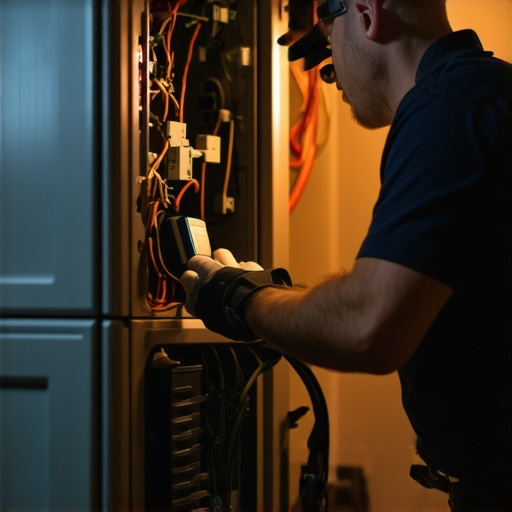
It was a freezing winter evening when I finally decided to tackle the unthinkable—fix my malfunctioning furnace. The frustration hit me hard when I realized my quick fix had turned into a costly mistake, leaving my family shivering and distrustful of my DIY efforts. Sound familiar? If you’re tired of unreliable heating and uncertain repair promises, you’re not alone. Today, I promise to share how I learned to rebuild both trust and warmth in my home through honest HVAC practices and trusted solutions.
Why Building Confidence in Your Heating System Matters More Than Ever
During a particularly brutal cold snap, my furnace decided to give out unexpectedly. The panic of cold drafts creeping in and the fear of hefty repair bills pushed me to the brink. That experience revealed how critical it is to understand your heating system and know when professional help is the right call. Trusting the right experts and knowing what to expect can save you time, money, and stress. Did you know that nearly 80% of furnace breakdowns can be prevented with proper maintenance? (Source: [Energy.gov](https://heatprosservices.com/efficient-hvac-repairs-the-blueprint-for-cooler-summers-and-warmer-winters)) Sadly, I learned this the hard way—by making a costly mistake early in my HVAC journey. Instead of rushing into fixes, I started exploring reliable repair strategies and sought trustworthy guidance. That’s when I discovered the importance of understanding when your furnace needs urgent attention, as well as the myths that can mislead homeowners about HVAC repairs. If you’ve ever been in the dark about whether your system is safe to fix on your own or when to call a pro, you’re in good company. Together, we’ll explore how to approach furnace issues confidently, backed by industry insights and proven techniques. Now, let’s look at some practical ways to ensure your home stays warm and your trust in your system remains intact.
Identify and Assess the Problem Thoroughly
Start by checking your thermostat settings and ensuring the power switch is on. Listen for unusual noises or note if the system isn’t cycling. For example, I once noticed my furnace’s blower motor humming but no heat, indicating a possible motor issue. Use a multimeter to test voltage supply to critical components, mimicking how professionals diagnose faults accurately. Remember, my first attempt was a quick restart, but I found that systematic testing prevented future breakdowns.
Gather the Right Tools and Safety Precautions
Before dismantling anything, turn off the power at the circuit breaker. Equip yourself with screwdrivers, pliers, a flashlight, and safety gloves. Think of repairing a furnace like fixing a complex machine—each tool has a purpose. I once underestimated the importance of safety gear and faced minor burns; now, protective equipment is part of my routine, ensuring both safety and efficiency.
Disassemble Components Carefully
Remove panels and access panels to reach internal parts. Take photos or notes during disassembly to assist reassembly. Remember, it’s like peeling an onion—each layer reveals vital components. I once mixed up the wiring during reassembly, leading to a short circuit. Using detailed notes and photographs simplifies the process and prevents mistakes. This method is akin to reverse engineering, giving clarity to the repair process.
Inspect and Replace Faulty Parts
Look for obvious signs of damage such as burned wires, rust, or broken belts. Test electrical parts like resistors and capacitors with a multimeter. For instance, I replaced a faulty igniter in my furnace, which instantly restored proper ignition. Always verify part specifications before ordering replacements—it’s like matching puzzle pieces. Consulting reputable sources or contacting experts can guarantee you select the right components, avoiding future issues.
Reassemble and Test Your System
Follow your disassembly notes to reassemble components in reverse order. Double-check all connections before restoring power. Turn on the system and observe its operation, listening for smooth cycling and listening for unusual sounds. In my case, a delicate reattachment of the blower wheel prevented imbalance vibrations. Patience during reassembly pays off, ensuring your furnace runs safely and efficiently afterward.
Perform Preventative Maintenance Regularly
Schedule seasonal inspections and cleanings, such as replacing filters and lubricating moving parts. This proactive approach is like regularly oiling a machine to keep it running smoothly. I learned that maintaining filters and ducts not only improves efficiency but also extends the system’s lifespan—saving money long-term. Incorporating these steps can help prevent emergencies and costly repairs, keeping your home cozy season after season.
When it comes to HVAC repair and installations, many homeowners hold onto misconceptions that can lead to costly mistakes. A common myth is that all repairs are equally straightforward and can be tackled with minimal knowledge, but in reality, HVAC systems involve complex mechanisms that demand expert intervention for safety and efficiency. Rushing to fix a minor issue without understanding the nuances can turn small problems into major failures, which is why recognizing the limitations of DIY efforts is crucial. Moreover, there’s a dangerous trap of believing that more expensive parts always mean better performance. While quality components matter, installation precision and system compatibility often influence longevity more profoundly. One often overlooked aspect is the importance of system diagnostics beyond surface-level observations. Advanced diagnostic tools and techniques enable professionals to identify root causes rather than just treating symptoms, preventing recurring issues. Have you ever fallen into this trap? Let me know in the comments.
An advanced question homeowners should consider is: How do improper refrigerant handling techniques impact overall system longevity? Handling refrigerants without proper training can cause environmental harm and reduce system efficiency, a concern backed by studies from the Environmental Protection Agency. This highlights why professional training and strict adherence to safety protocols are non-negotiable in HVAC work. Navigating these hidden nuances and debunking prevalent myths with knowledge and precision not only extends your system’s lifespan but also ensures you enjoy optimal comfort year-round. For deeper insights, explore our comprehensive guide on furnace repair myths debunked by industry experts and learn how to avoid common pitfalls that compromise system reliability.Maintaining your HVAC system over time requires the right tools and a disciplined approach to service. Personally, I rely heavily on a digital multimeter for diagnosing electrical components, because it allows me to quickly identify voltage irregularities without guesswork. I prefer a reliable clamp meter as well, which simplifies testing current flow through wires without disconnecting them, saving time and reducing safety risks. For cleaning and preventative tasks, I recommend a high-quality compressed air blower—it’s essential for clearing dust from blowers and heat exchangers, which, if left unchecked, can hinder performance and lead to costly repairs. Moreover, an infrared thermometer becomes invaluable for spot-checking temperature differences across various system components, indicating potential issues before they escalate. Recent advances suggest integrating smart diagnostic tools with your routine maintenance, like HVAC-specific app-connected sensors that monitor system health in real-time, enabling proactive repairs and reducing downtime. Looking ahead, the trend toward IoT-enabled HVAC maintenance is likely to grow, making remote diagnostics standard practice and further extending system lifespan.
How do I maintain my HVAC system over time?
Regular inspections are key. Schedule seasonal checkups and use diagnostic tools to stay ahead of potential failures. Also, keeping an eye on system performance metrics—like airflow and temperature differences—can reveal early signs of trouble. For example, my use of an infrared thermometer helped me detect uneven heating, prompting a quick filter change that improved efficiency. To get started, I recommend trying an advanced tool such as a digital multimeter with temperature readout capabilities, which streamlines troubleshooting and can significantly reduce your repair time. If you’d like a step-by-step guide on integrating these tools into your routine, visit our [comprehensive maintenance tips](https://heatprosservices.com/preventative-hvac-repair-tips-for-year-round-efficiency). Consistent use of these techniques not only prolongs your system’s lifespan but also improves energy efficiency, saving you money in the long run. Remember, proactive maintenance with the right equipment is your best defense against unexpected breakdowns and costly repairs.
What I Wish I Knew Before My First Repair
One of the most valuable lessons I learned was the importance of recognizing my own limits. Don’t underestimate complex issues, and always prioritize safety. That realization came after a costly mistake that could have been avoided with proper knowledge—trusting the advice of seasoned professionals like those at HVAC experts can save you both time and money.
Why DIY Isn’t Always the Best Route
Sure, tackling small repairs can be satisfying, but I found that some problems require professional diagnostics. Ignoring subtle signs can lead to bigger breakdowns. When in doubt, consulting trustworthy sources ensures you’re making informed decisions—see how industry insights can guide your choices.
How Continual Learning Brought Me Comfort
Getting familiar with the inner workings of my heating system allowed me to better interpret symptoms and perform routine maintenance. Investing in tools like a diagnostic kit has empowered me to detect issues early. Remember, education is key—never stop learning about your HVAC system to ensure lasting warmth and confidence.
Choosing Solutions That Last
I realized that quality parts and proper installation are fundamental. Cheap fixes might save money upfront but often lead to repeated failures. Trusting reputable components and professional service makes all the difference in longevity and performance.