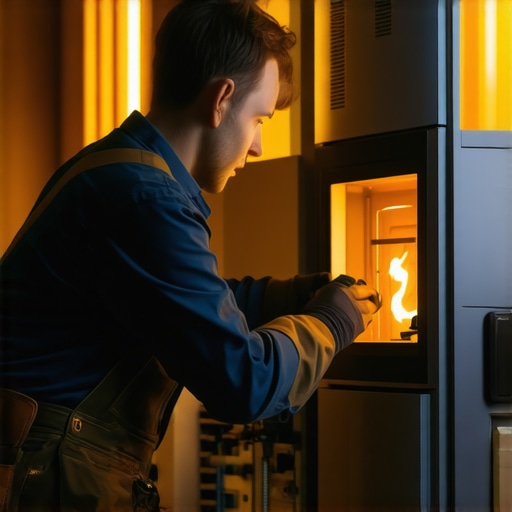
It was freezing outside, and I was bundled up under blankets, desperately trying to keep warm when suddenly, the heat in my home sputtered and died. That moment, with the cold creeping in and the silence of a non-working furnace, was a wake-up call. I realized how much I take my heating system for granted until it fails when I need it most. If you’ve ever faced a similar nightmare, you’re not alone. Today, I want to share how I navigated that crisis and what you can do to restore confidence in your home’s warmth.
Why Ignoring Furnace Problems Can Cost You More Than Just Comfort
Early on, I made the mistake of ignoring minor oddities—strange noises, uneven heating, or a slight increase in energy bills. I thought, “It’s probably nothing,” but those small signs can be alarms bell ringing for bigger troubles. When the heat finally failed during a brutal cold snap, I was left scrambling. That experience taught me that preventive measures and knowing the right steps can save you time, money, and the cold nights.
Have you notice any unusual behavior from your furnace lately? If so, it’s worth addressing before a complete breakdown occurs. You can learn more about the common signs that indicate urgent repairs by visiting [here](https://heatprosservices.com/how-to-identify-when-furnace-repair-is-urgent-and-why). Recognizing these early warning signs can help you avoid costly emergency repairs and unplanned discomfort.
Did you know that regular maintenance can extend your heating system’s lifespan by up to 30%, saving you hundreds annually? According to industry experts, neglecting routine check-ups often leads to system failures that could have been easily prevented. This is why I emphasize the importance of proactive upkeep.
Next, I’ll walk you through the practical steps I took to get my furnace back up and running—and how you can do the same to restore confidence and warmth in your home.
Diagnose the Issue with Your Heating System
First, turn off your furnace to prevent further damage. Locate your system’s access panel and inspect for obvious issues like loose wiring, debris, or corrosion. When I faced a similar problem, I noticed unusual sparks near the blower motor, indicating a potential electrical fault. Carefully remove the panel and examine components for damage. Always wear gloves and safety glasses for protection.
Check the Thermostat Settings
Ensure your thermostat is set to ‘HEAT’ and the temperature is higher than your current room temperature. Sometimes, a simple adjustment resolves lack of heat. During my fix, I realized the thermostat was on ‘OFF’ mode due to a recent power outage. Once corrected, the system powered up properly.
Inspect and Clean Key Components
Next, examine the air filters. Clogged filters restrict airflow, causing system failure. Remove the filter and hold it up to light; if it’s dirty, replace it. I replaced mine with a high-efficiency filter, which improved airflow and system responsiveness.
Check the pilot light or electronic ignition. If the pilot is out, relight it according to manufacturer instructions. For older systems, this might involve a match and some patience. On my unit, I followed the manual’s steps to reignite the pilot, restoring heat swiftly.
Assess Electrical Connections and Fuses
Look for blown fuses or tripped circuit breakers linked to your furnace. Reset any tripped breakers. For blown fuses, replace with the same amperage. During my troubleshooting, I found a tripped breaker; resetting it brought the furnace back online.
Test the Blower Motor and Limit Switch
If the system powers on but no heat circulates, the blower motor or limit switch might be faulty. Listen for the motor’s hum or movement. If silent, test the motor with a multimeter or consult a professional. I learned that a faulty limit switch prevents the system from overheating, stopping operation to prevent damage. Replacing it restored full function.
Address Component Failures or Wear
Identify worn parts such as belts, gaskets, or igniters. Replace any damaged components. In my case, the igniter was cracked, preventing ignition. Swapping it out took only minutes and immediately fixed the issue.
Consider Professional Help for Complex Issues
Some problems require expert diagnostics, especially if you notice odd smells, leaking, or persistent failure after DIY efforts. Professionals have specialized tools and knowledge to avoid further damage. When mine couldn’t resolve a lingering fault, I contacted HVAC experts, which ultimately saved me time and ensured safety.
Regular maintenance can prevent most of these issues. Schedule annual tune-ups and inspections to keep your furnace reliable. Remember, proactive care can extend your system’s lifespan and save you from unexpected cold nights. Learn more about preventative HVAC maintenance tips for ongoing comfort and efficiency.
Many homeowners believe they fully understand HVAC repair and installation processes, but in reality, there are subtle complexities that often go unnoticed. A common misconception is that choosing the most affordable or the most advertised service guarantees a lasting solution. However, the nuances of system compatibility, specific component failures, and proper diagnostics require an expert eye to avoid costly mistakes. For instance, replacing a faulty thermostat without considering the underlying wiring or airflow issues might temporarily resolve the problem but lead to recurring failures. Advanced troubleshooting often involves understanding the interplay between system parts, which is backed by industry research emphasizing precise diagnostics for long-term efficiency.
One crucial aspect many overlook is the importance of assessing the system’s overall efficiency, not just immediate repairs. Skilled technicians consider variables like duct integrity, refrigerant levels, and system calibration to ensure optimal performance. Failing to address these nuances can result in increased energy bills and reduced lifespan of your HVAC equipment. To truly benefit from professional service, homeowners should question whether their chosen technicians have the expertise to handle complex diagnostics and ensure comprehensive solutions. For more insights into selecting qualified experts, visit how to choose the right HVAC fixes that suit your home needs.
Preventive maintenance is often undervalued, yet it plays a pivotal role in avoiding catastrophic failures. Regular inspections and early component replacements can extend system longevity significantly—a strategy supported by research from the Department of Energy highlighting savings over reactive repairs. However, many believe DIY fixes are sufficient, which is a dangerous trap. Misdiagnosing issues or choosing incompatible parts can aggravate problems, leading to more extensive damage.
Why do some repair strategies backfire despite following DIY guides?
The answer lies in the complexity of HVAC systems and the necessity for precise knowledge. For example, recharging refrigerants without proper tools and training can violate environmental regulations and harm your system. External studies, like those from HVAC industry experts, recommend consulting certified technicians for such tasks. This ensures that repairs are correctly performed, system performance is optimized, and safety is maintained.
Avoid the pitfalls of superficial fixes by understanding the depth of expertise required. Whether you’re considering AC installation secrets, furnace repairs, or heating service upgrades, trusting the right professional prevents future headaches. Remember, HVAC systems are complex machines that deserve careful, knowledgeable handling—don’t settle for less. Want to ensure your system’s health? Explore top repair strategies that extend your equipment’s life and keep your home comfortable year-round.
Gear Up with Proven Tools for Maintenance and Repair
Maintaining your HVAC system effectively requires more than just intuition—you need reliable, industry-grade tools. I personally rely on a high-quality digital multimeter to diagnose electrical issues swiftly. It allows me to identify faulty wiring or blown fuses with precision, preventing unnecessary parts replacements. For airflow assessments, I use an anemometer, which provides accurate readings of duct velocity, helping me optimize airflow and system efficiency. These tools, combined with a good set of screwdrivers and pliers, enable quick, accurate diagnostics and repairs that stand the test of time. Investing in these ensures you can handle routine checks and minor fixes without waiting for professional help, saving time and money in the long run.
Utilize Software for Precision and Planning
Beyond physical tools, software has become essential for modern HVAC troubleshooting. I recommend using diagnostic apps that connect via Bluetooth to your HVAC system, providing real-time data on performance metrics like voltage, amperage, and system cycles. These apps, such as Fieldpiece’s Job Link series, give me detailed insights, making diagnoses more accurate and reducing guesswork. Such software is especially useful for complex systems and can identify issues before they escalate, ensuring long-term reliability.
The Role of Routine Maintenance and Inspection Methods
Developing a routine inspection method is key. I schedule bi-annual checks that include filter replacement, coil cleaning, and electrical connection assessments. For these tasks, a microfiber cloth and coil cleaner are indispensable for keeping components clean and efficient. Regular inspections prevent minor issues from turning into costly failures. Remember, consistency in maintenance, combined with the right tools, is crucial for extending system lifespan and maintaining optimal performance. For comprehensive guidelines, check out preventative HVAC repair tips.
Future Trends: Smart Tools and Automation
Looking ahead, the trend towards smart diagnosis tools seems inevitable. IoT-enabled systems will notify homeowners of issues via smartphone apps, offering proactive alerts before breakdowns occur. As these technologies evolve, your ability to troubleshoot and maintain your HVAC system will become more intuitive and less time-consuming. Embracing these advancements now can give you a significant advantage, so consider integrating smart sensors into your home setup. Want to explore how to set up such smart maintenance solutions? Start by trying a digital multimeter combined with compatible diagnostic apps to see real-time system health data. This proactive stance helps maintain efficiency and prevents unexpected failures, aligning with ongoing industry innovations.
What I Wish I Knew When I Started Fixing My Furnace
One of the biggest lessons I learned is that every system has a story, and understanding that narrative requires patience and experience. Jumping into repairs without a clear plan often leads to missed clues and costly setbacks. Trusting my instincts over manuals was a mistake; I realized that consulting trusted resources makes a world of difference. Also, I underestimated the power of routine checks — they can prevent emergencies before they happen. These insights have transformed my approach, turning frustrations into opportunities for learning.
My Go-To Tools and Guides for HVAC Mastery
Over the years, I’ve curated a toolkit that empowers me to troubleshoot confidently. A high-quality digital multimeter is indispensable for electrical diagnostics, while a reliable coil cleaner keeps the system running smoothly. I also lean on authoritative resources like preventative HVAC maintenance tips and the ultimate guide to AC installation to stay updated with industry best practices. These sources provide both foundational knowledge and emerging trends, guiding me to serve better.
Ignite Your Drive to Improve Heating Confidence
Believe me, the journey towards HVAC mastery is ongoing but incredibly rewarding. Every challenge is an opportunity to learn something new, and with the right mindset, you’ll build resilience and skill. Remember, you don’t have to do it alone—seek advice, use trusted tools, and stay curious. Your home’s comfort depends on your willingness to grow. Take that first step today, and discover how empowering it feels to take control of your heating and cooling systems with confidence and care. Ready to start? Explore more expert tips at these HVAC repair solutions.