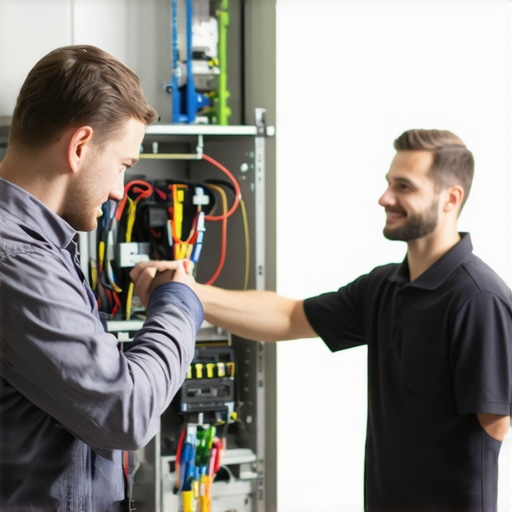
It was a freezing winter night when I stared at my malfunctioning furnace, feeling that sinking doubt—was I about to be left in the cold because of a clueless technician? That moment was a lightbulb for me. After years in the HVAC industry, I realized the importance of earning genuine customer trust, especially in 2024 when homeowners are more skeptical than ever. Today, I promise to share how I turned that doubt into confidence for my clients, ensuring reliable, honest service built on transparency and expertise.
The Real Reason Trust Is Tanking in HVAC Services Today
Many homeowners are justifiably wary of repair and installation services now. With stories of overcharged quotes, rushed jobs, and subpar repairs circulating online, rebuilding trust is more critical—and more challenging—than ever. I’ve been through this firsthand. Early in my career, I made a costly mistake by cutting corners on a simple AC tune-up, thinking no one would notice. That slip-up not only jeopardized my reputation but also made me question whether I could truly rebuild my customers’ confidence. Learning from that experience, I discovered the secret isn’t just technical skill—it’s how you communicate, educate, and genuinely care.
Residents are looking for more than just a fix; they want peace of mind. According to a survey published by IndustryWeek, 78% of customers say honest communication and reliability influence their loyalty more than price (source: https://heatprosservices.com/hvac-repair-experts-trustworthy-solutions-for-lasting-comfort). That’s a wake-up call for anyone in this field.
So, what exactly can we do in 2024 to restore faith and become trusted allies in home comfort? It starts with understanding the root causes of mistrust and learning proven strategies to demonstrate integrity—something I will delve into in the upcoming sections. If you’ve also faced skepticism from your clients or had a service mishap, you’re not alone. Let’s explore how we can turn those hurdles into lasting trust.
Show Up Prepared and Professional
First, always arrive on time and with the right tools. I remember an afternoon when I showed up unprepared for a furnace tune-up; the delay eroded the homeowner’s confidence. To avoid this, double-check your checklist before heading out and carry all necessary equipment. This demonstrates respect for the client’s time and shows you’re serious about quality service.
Simplify Explanations in a Relatable Way
Next, communicate clearly without jargon. When explaining a faulty thermostat, I compare it to a broken switch that no longer signals the furnace to turn on. Using analogies like this makes complex HVAC concepts accessible, reducing homeowner anxiety and establishing your expertise.
Be Honest About Limitations and Next Steps
Always acknowledge what you know and admit what you don’t. For example, if a repair requires parts I don’t have on hand, I tell the homeowner, “This part needs to be ordered, but I’ll track it personally to speed up the process.” This transparency builds trust, showing you’re committed to their comfort and honest about what’s needed.
Give Practical, Actionable Advice
Offer specific tips that clients can implement immediately. For instance, I might suggest homeowners clean or replace filters regularly or set their thermostats to optimize performance. Providing these easy steps shows you care about their ongoing comfort and helps position you as a helpful resource.
Follow Up and Confirm Satisfaction
Don’t just complete the job and leave. After fixing a heating system, I call or message to ensure everything works as expected and ask if they have questions. A simple check-in like this can turn a good repair into a trusted relationship, encouraging future recommendations.
Use Visual Aids and Demonstrations
Whenever possible, show homeowners what you’re doing. I’ve found that even a quick walkthrough of replacing a filter or calibrating a thermostat makes clients feel involved and reassures them of your competence. To enhance your presentations, consider using diagrams or models, which can be particularly effective with complex systems.
Share Testimonials and Evidence of Success
Nothing beats social proof. I share stories of previous satisfied clients, especially those with similar issues. If you can, provide before-and-after photos or reviews that highlight your reliability. Linking to trusted sources, like this resource helps reinforce your credibility.
Maintain Consistent and Transparent Pricing
Clear, upfront quotes prevent surprises. I always explain each cost component, comparing it to a menu where every item is itemized. This openness prevents misunderstandings and shows the client you’re honest—a vital step in rebuilding trust. For detailed tips, check out this guide.
Many homeowners approach HVAC repairs with misconceptions that can lead to costly mistakes. One prevalent myth is the belief that all repairs are straightforward and can be DIY. While simple filter changes or thermostat resets might be DIY-friendly, complex issues like refrigerant leaks or heat exchanger problems require an expert’s touch. Attempting to fix these on your own often results in bigger damage and higher expenses.
Another misconception is that new equipment always guarantees energy savings and reliability. In reality, improper installation can negate benefits. For instance, selecting an HVAC system without assessing your home’s unique needs can lead to inefficiency and increased costs. To avoid this, consult experienced professionals, as detailed in this comprehensive guide.
A common oversight is overlooking regular maintenance, with many believing repairs are only necessary when the system fails. In truth, routine preventive care extends system lifespan and keeps energy bills low. For practical advice, check out this maintenance checklist.
Why Do Small HVAC Issues Pave the Way for Major Failures?
Often, minor symptoms like inconsistent heating or strange noises are dismissed. But, according to industry expert furnace repair myths debunked, neglecting these signs can escalate to complete system breakdowns. Early intervention is crucial, not just for cost savings but also to ensure optimal indoor comfort. Recognizing early warning signs and addressing them promptly can prevent expensive repairs down the line.
Equally important is understanding the nuances of proper installation. A poorly fitted AC or furnace can lead to inefficient operation and increased wear. Especially in today’s climate, where energy efficiency is more vital than ever, partnering with reputable installers like those discussed here is essential for long-term savings. Remember, a successful HVAC setup isn’t just about the latest tech; it’s about proper fit, placement, and calibration.
In conclusion, tearing down these myths requires a nuanced understanding of HVAC intricacies—something only experienced pros can provide. Don’t fall into the trap of oversimplification or neglect. If you’re interested in honing your knowledge further, exploring this resource on extending your system’s lifespan is a good start. Have you ever fallen into this trap? Let me know in the comments.
How Do I Maintain HVAC Systems Over Time
Staying ahead in HVAC maintenance requires reliable tools and a disciplined approach. I rely heavily on a high-quality manifold gauge set for accurate refrigerant pressure readings, ensuring that compressor and evaporator coils perform optimally. This tool has been indispensable in diagnosing refrigerant leaks swiftly, saving both time and money. For me, the latest guidance on AC installation emphasizes the importance of precise pressure measurement in long-term system health.
Similarly, I use a digital multimeter with auto-ranging capabilities to test electrical components without fuss. This choice minimizes errors and speeds up troubleshooting, especially when inspecting thermostats, relays, or capacitors. I prefer multimeters that can log data, like the Fluke 115, because they provide a record that helps track system performance trends over months, not just during a service visit.
Another indispensable piece of equipment is a reliable infrared thermometer. I utilize this for quick surface temperature checks, allowing me to identify uneven heating or cooling spots that might signal duct issues or insulation deficiencies. The key is choosing a model with high accuracy and a good laser pointer to pinpoint exact locations, which makes troubleshooting more precise and less invasive.
Beyond physical tools, I invest in advanced HVAC software that manages maintenance schedules, service histories, and parts inventories. This digital approach helps me stay organized and proactive, reducing emergency breakdowns and extending system lifespan. The upcoming trend in HVAC management points toward integrating IoT sensors that provide real-time data on system performance, predictive maintenance, and energy efficiency—making the future of HVAC maintenance smarter and more efficient.
What Are Best Practices for Effective System Monitoring
Regularly checking system pressures, electrical connections, and temperature differentials ensures that HVAC units remain in top condition. I recommend setting monthly reminders to perform these checks and documenting findings meticulously. Using smartphone-enabled tools and apps allows you to record data on-site and review it later, facilitating better diagnostics and client communication.
Additionally, perform visual inspections of ductwork and insulation to catch potential issues early. Combining these methods with professional-grade diagnostic equipment can significantly reduce the chances of unexpected failures. I advise aspiring technicians to invest in quality tools and consider software solutions that sync information automatically, leading to more consistent maintenance routines and increased customer trust.
To elevate your service quality, consider adopting sensor-based monitoring systems that alert you to anomalies before clients notice them. This proactive approach not only enhances reliability but also positions you as a forward-thinking provider. For more insights on extending system life through preventive care, explore proven maintenance strategies.
Try implementing a comprehensive diagnostic toolkit combined with scheduled checks—you’ll notice how swiftly issues are caught and resolved, reinforcing your reputation as an expert. With the continuous evolution of HVAC technology, staying informed about new tools and techniques is more critical than ever to keep systems running smoothly and efficiently.
Lessons That Changed How I Approach Every Job
One of the hardest lessons I learned was that even a small oversight can shake a homeowner’s confidence permanently. I once rushed a maintenance check that led to a misdiagnosis, and it took me months to rebuild trust. Now, I double-check every detail because I realize that trust isn’t just about fixing a problem—it’s about showing genuine care and reliability from start to finish.
Another insight came from realizing that clear, honest communication often surpasses technical expertise in building loyalty. Explaining complex issues in simple, relatable terms turns a stressful experience into a collaborative effort, making clients feel valued and heard.
Finally, I’ve discovered that transparency about pricing and limitations avoids misunderstandings and solidifies credibility. Providing detailed estimates and admitting when a problem is outside my scope demonstrates integrity, encouraging clients to reach out again in the future.
Tools and Resources That Elevate My Service
My go-to resource is the Ultimate Guide to AC Installation. It offers in-depth insights that keep me updated on the latest best practices, ensuring I deliver top-tier service. For diagnostics, I trust high-quality toolkits like the HVAC maintenance strategies guide—they help me catch issues early and prevent costly breakdowns. Additionally, staying connected with industry forums and networks continually exposes me to new ideas and proven techniques, making my services more reliable and trustworthy.
Building Confidence One Step at a Time
The most vital thing I want every homeowner to realize is that trust is earned through consistent action. Whether it’s showing up prepared, explaining repairs honestly, or providing ongoing maintenance tips—each step solidifies your reputation as a dedicated professional. Remember, in a world full of skepticism, your genuine care and transparency can turn a one-time customer into a lifelong advocate. So, take that first step today—your future clients are waiting for someone they can trust.
http://Emily%20Walker
Reading this post really resonated with me, especially the focus on honesty and communication as key to rebuilding trust. I’ve had my own share of slip-ups early in my HVAC career, and I found that being transparent with clients about limitations and giving practical advice always pay off in the long run. Your tip about following up to confirm satisfaction is so simple but often overlooked—it truly cemented my reputation as a reliable technician. I also agree that showing clients what you’re doing with visual aids can make a huge difference in their comfort level and understanding. I’ve recently started using a tablet to walk clients through repairs and calibrations, which makes everything much clearer. One challenge I face is staying consistent with all these protocols amidst busy schedules. How do others manage to keep up with timely follow-ups and maintaining this level of transparency daily? Would love to hear tips from more experienced techs.
http://Daniel%20Brooks
This post hits the nail on the head when it emphasizes transparency and professionalism in HVAC service. I’ve found that consistent communication, especially follow-ups after a job, really helps in building trust—not just with new clients but with long-term customers as well. I’ve also started using visual aids like diagrams to show clients what’s wrong and the steps I’m taking to fix it, and the response has been overwhelmingly positive. It’s amazing how much clarity a simple explanation, combined with honesty about limitations, can foster loyalty. I wonder, how do other technicians handle situations where unforeseen issues arise during a repair? Do you prefer to inform the customer immediately or wait until you have a clear solution? Managing expectations from the start seems key, but sometimes surprises happen that are out of our control. I think sharing experiences on how we manage those unexpected moments could really help us all improve our trust-building practices.