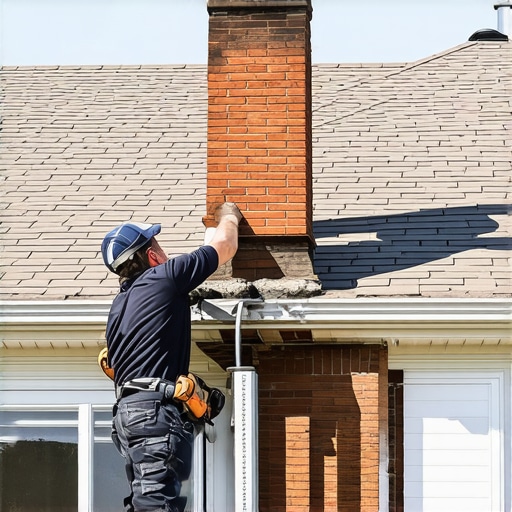
The Forensic Diagnosis: Why Your Chimney is Secretly Killing Your Furnace
I’ve spent thirty years crawling through crawlspaces and balancing on steep-pitch roofs, and if there is one thing I’ve learned, it is that homeowners treat their chimneys like a ‘set it and forget it’ ornament. That is a dangerous mistake. I remember my old mentor, a grizzled tin knocker who could smell a cracked heat exchanger from the driveway, used to scream at me, ‘You can’t cool what you can’t touch, and you can’t heat what you can’t vent!’ He was right. Airflow isn’t just about the supply registers blowing on your face; it is about the exhaust leaving the building. When we talk about 5 Chimney Liner Installation Benefits for 2026, we aren’t just talking about aesthetics. We are talking about the thermodynamic reality of keeping your family alive while your furnace works its tail off in a polar vortex.
“Internal chimneys shall be lined with a material that will resist corrosion, softening, or cracking from flue gases at temperatures up to 1,800°F.” – NFPA 211 Standard for Chimneys, Fireplaces, Vents, and Solid Fuel-Burning Appliances
Most people don’t realize that as we move toward 2026, the efficiency of our equipment is actually making our old chimneys more dangerous. High-efficiency furnaces and even some hybrid setups involving hyper-heat heat pumps still rely on proper venting for secondary heat sources. If you have an old masonry chimney, that ‘big hole’ is actually too large for modern equipment. This leads to the flue gases cooling down before they exit, reaching their dew point, and turning into a corrosive acidic soup that eats your mortar from the inside out. This is where the HVAC maintenance plans usually fail—most ‘sales techs’ just look at the furnace and ignore the exit path. But a real tech knows that a chimney liner is the ‘stent’ for your home’s heart.
1. Protection Against Carbon Monoxide and Flue Gas Seepage
The most critical benefit of a new chimney liner is the containment of Carbon Monoxide (CO). In the winter, when your system is cycling hard, a compromised chimney can allow CO to seep through small cracks in the masonry and into your living spaces. This isn’t just a theoretical risk. I’ve been on 24/7 heating emergency response calls where the family felt ‘flu-ish’ only for my CO detector to scream the second I walked in the door. By installing a stainless steel liner, you create a seamless, airtight conduit that ensures 100% of the combustion byproducts make it to the atmosphere. This is far more effective than relying on old clay tiles that shift and crack over decades of thermal expansion. While you might be focusing on thermostat installation or programmable thermostat programming to save a few bucks, none of that matters if the air you are breathing is toxic.
2. Preventing the ‘Acid Rain’ Effect Inside Your Masonry
Let’s talk thermodynamics. When gas burns, it produces water vapor. In old, oversized chimneys, this vapor hits the cold brick, cools down, and condenses. This liquid isn’t just water; it’s nitric and sulfuric acid. Over time, this acid dissolves the mortar joints. I’ve seen chimneys that looked fine on the outside, but when I touched the interior brick, it crumbled like a stale cracker. A proper liner acts as a thermal barrier, keeping the flue gases hot enough to stay in a gaseous state until they clear the chimney cap. This preserves the structural integrity of your home. If you are investing in geothermal heat pump systems or other high-end tech, you have to ensure the existing infrastructure can handle the backup furnace’s exhaust. Don’t let a ‘sales tech’ tell you a liner is optional; it’s the only way to prevent your chimney from becoming a pile of rubble in 2026.
3. Improving Draft Efficiency and Reducing Fuel Waste
Airflow is king. A chimney works on the principle of the ‘stack effect’—hot air rises. However, if the chimney is too wide, the hot air loses its velocity, slows down, and creates ‘backdrafting.’ This causes your furnace’s draft inducer motor to work harder, shortening its lifespan and increasing your electric bill. By installing a correctly sized liner, you optimize the ‘suction’ of the chimney. This is similar to how energy recovery ventilators (ERVs) optimize fresh air intake; it’s all about controlled movement. A better draft means a cleaner burn. When your furnace doesn’t have to fight static pressure in the flue, it operates closer to its rated AFUE. This is a core component of any real HVAC maintenance plans—ensuring the ‘exit’ is as clear as the ‘entrance.’
“The most expensive equipment in the world cannot overcome a bad duct or venting system.” – Industry Axiom
4. Safeguarding Against Chimney Fires and Heat Transfer
For those still using wood-burning inserts or older gas furnaces, creosote and soot buildup are the enemies. A liner provides a smooth surface that is much harder for soot to cling to compared to rough brick. Moreover, if a chimney fire does occur, a high-quality stainless steel liner is designed to contain the heat, preventing it from transferring to the wooden framing members of your house. I’ve seen ‘sparkies’ (electricians) run wires too close to unlined chimneys, only for the heat transfer to melt the insulation and start a fire. A liner is your insurance policy. If you’re doing portable heater safety checks because your main system is failing, stop. The real fix is ensuring your primary heating source is vented safely and efficiently so you don’t have to rely on those ‘orange-glow’ fire hazards.
5. Enhancing Indoor Air Quality (IAQ) and System Longevity
Lastly, a proper liner works in tandem with your HEPA filter systems and whole-home humidifiers to maintain a healthy indoor environment. When a chimney doesn’t vent correctly, it can lead to ‘back-spillage,’ where moisture and combustion particulates linger in the basement or mechanical room. This moisture can trigger mold growth and rust out your furnace cabinet from the outside in. By sealing the venting system, you ensure that the moisture stays out of your house. This is the difference between a ‘wet’ basement smell and a crisp, clean home. If you want to know how to identify when furnace repair is urgent and why, just look at your vent pipe. If you see white powdery residue (efflorescence) or rust, your chimney is failing you. Check out our guide on identifying urgent furnace repairs for more details on these warning signs.
The Bottom Line for 2026
As we head into 2026, the ‘standard’ for home safety is rising. Don’t be the homeowner who spends $10,000 on a new furnace but tries to save $1,500 by skipping the liner. It’s like putting a Ferrari engine in a car with a clogged exhaust pipe; you’re going to blow something up. Whether you are looking into ac installation secrets that hvac pros wont tell you or simply trying to get through the next winter, remember that the chimney is the lungs of your heating system. For expert help, you can always contact us to evaluate your venting. Proper liner installation is one of the top HVAC repair strategies to extend your systems life and ensure your family stays safe, warm, and CO-free. Don’t fall for the ‘sales tech’ trap; demand a manometer test on your draft and get the liner your home deserves. Comfort is physics, not magic.
http://Benjamin%20Harris
I found this post incredibly insightful, especially the part about the acid rain effect inside old chimneys. I’ve personally seen how neglected chimneys can deteriorate internally without visible signs on the exterior. It’s a stark reminder that maintenance isn’t just about appearance but fundamental safety and longevity. I agree that installing a high-quality liner isn’t just an upgrade, it’s essential for dealing with modern high-efficiency systems, which require properly sized and sealed venting. Does anyone have experience with DIY inspections? I’m curious what key signs homeowners can look for to identify hidden issues, aside from obvious rust or moisture. Ensuring proper draft through a manometer test really sounds like a vital step I might have otherwise overlooked. How often should homeowners schedule professional chimney inspections, especially if their system is over 10 years old? Would love to hear others say how they’ve handled upgrades or preventative maintenance before issues escalate.