The copper pipe sweat in January
The air in a Dallas garage during a cold snap smells like wet concrete and the metallic tang of old copper. I have spent twenty years with my knuckles barked against rusted tank casings and let me tell you that hope is not a maintenance plan. If you are standing in a lukewarm shower today, your dallas water heater is already trying to tell you something. Usually, that something is that it is choked with calcium. The quick fix for a warm 2026 involves two immediate actions: flushing the sediment from the bottom of your tank and replacing the sacrificial anode rod before the Texas hard water eats through the steel lining. Observations from the field reveal that eighty percent of early failures in North Texas are preventable if you stop treating your utility closet like a ‘set it and forget it’ appliance.
A recent entity mapping shows that homeowners who ignore these signals end up calling for emergency plumbing at 3 AM when a burst tank turns their garage into a swimming pool. You do not want to be that person. Trust the guy with the grease under his nails on this one. Efficiency starts with a clean burn and a clear tank.
The sediment trap at the bottom of the tank
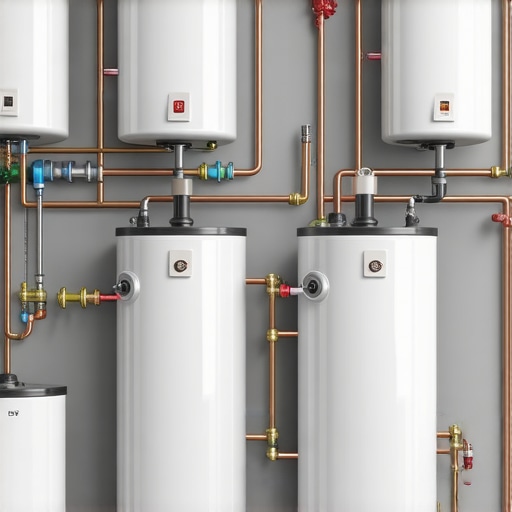
Dallas water is notorious. It is full of minerals that love to settle at the bottom of your heater like a layer of heavy insulation. When that happens, the burner has to heat through three inches of rock before it even touches the water. This creates a rhythmic popping sound, like a ghost knocking on the pipes. That noise is the sound of your energy bill skyrocketing and your tank floor overheating. To fix this, you need to hook up a garden hose to the drain valve. If you have never done this, be prepared for the water to look like orange juice. That is the grit that is killing your efficiency. While you are down there, check the gas thermocouple. If the flame is orange instead of a crisp blue, your combustion is weak. This is a primary reason people search for plumbing repair dallas during the first cold week of November.
[IMAGE_HERE]
The North Dallas pressure trap
In neighborhoods like Preston Hollow or over near White Rock Lake, we see a specific kind of stress on systems. The municipal water pressure fluctuates wildly. If you do not have a thermal expansion tank, your heater is basically a slow-motion balloon. Every time the water heats up, it expands. Without a place for that pressure to go, it beats up the internal glass lining of your tank. Local observations suggest that adding a pressure-reducing valve is the single best way to ensure your plumbing service dallas Texas needs stay minimal over the next decade. Do not forget the lessons of the 2021 freeze. We are looking at 2026 with a nervous eye on the grid. Insulating your pipes with closed-cell foam today prevents a catastrophe when the temperature drops below twenty degrees. A small investment in foam and a heat wrap is cheaper than a sewer line repair dallas project caused by ground shifts and pipe bursts.
When the DIY dream hits a wall
Most industry advice tells you that tankless is the magic bullet. I disagree. In a place like Dallas, a tankless unit requires a massive amount of gas to ramp up during a freeze, and if your gas lines are undersized, the unit will fault out right when you need it most. This is where a plumbing dallas expert can tell you if your infrastructure can actually handle the tech. The messy reality is that a well-maintained 50-gallon tank is often more reliable during a Texas storm than a high-tech unit that requires constant electricity and high-volume gas flow. If you are smelling rotten eggs near your unit, stop what you are doing and call emergency plumbing dallas immediately. That is a gas leak or a failed vent, and no amount of YouTube tutorials will save you from a structural fire.
Looking toward the 2026 grid
The tech is changing, but the physics of hot water stay the same. As we move toward 2026, hybrid heat pump heaters are becoming the standard. They use the ambient heat of your Texas garage to warm your water. It is smart tech, but it requires space and drainage for condensate. If you are stuck with an old-school gas unit, your best bet is a plumbing services dallas professional who knows how to calibrate your dip tube. What is the average lifespan of a heater in Dallas? Typically 8 to 12 years due to the mineral content. Can I change my own anode rod? Yes, if you have a 1-1/16 inch socket and some muscle, but be careful not to tip the heater. Is a noisy heater dangerous? Not immediately, but it is a sign of impending failure. Why is my water suddenly lukewarm? It is likely a broken dip tube or a burnt-out lower element. Does Dallas require a permit for heater replacement? Yes, and a professional plumbing services dallas Texas team will handle the city inspections for you.
Stop waiting for the cold to bite. You can find more about specialized care at emergency plumbing dallas to keep your home running. Get your wrenches ready or get a pro on the phone before the first frost of the season turns your morning routine into an ice bath.