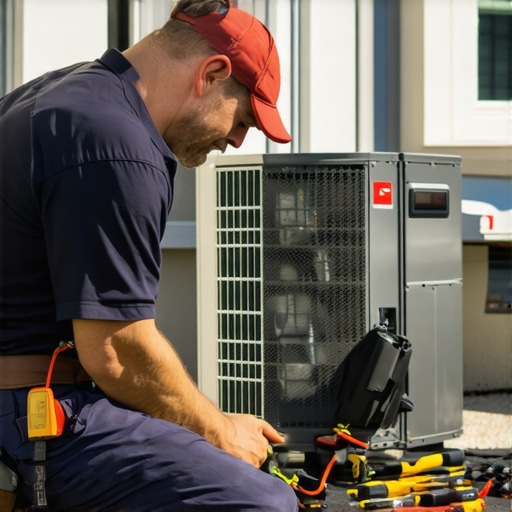
Last winter, I found myself shivering under a blanket in my own living room, desperately wishing I had paid more attention to my HVAC system. It was a cold Sunday morning when my furnace suddenly refused to turn on, leaving my family freezing and frustrated. That moment was a real lightbulb for me—realizing how crucial a reliable heating and cooling system is to our comfort and peace of mind. \n\nIf you’re like me, you might have taken your HVAC system’s dependability for granted until it fails at the worst possible moment. But here’s the truth: regular maintenance and trusted repairs can prevent future breakdowns, saving you money and stress. Today, I want to share the secrets I wish I knew earlier to keep your home comfortable and trustworthy all year round.\n\n## The Hidden Risks of Ignoring HVAC Troubles\n\nHave you ever postponed that service appointment because everything still seemed OK? That’s a common mistake I made early on. Ignoring strange noises, inconsistent heating or cooling, or rising energy bills can lead to bigger problems down the line. According to industry experts, neglecting minor issues can turn into costly repairs or even system failure—causing discomfort and unnecessary expenses.\n\nBut why does it often feel so overwhelming to choose the right repair or replacement option? And how can you be sure you’re making the best decision for your home? We’ll explore these questions and more, so you can restore confidence in your heating and cooling system.\n\nReady to take charge and avoid the chill or swelter in your own home? Let’s dive into what you need to know to keep your HVAC system running smoothly and efficiently.
Diagnose Before You Act
Think of your HVAC system like a car engine; before fixing, you must identify what’s wrong. Start by listening for unusual noises or feeling for inconsistent airflow. Use a flashlight to inspect accessible components for dust, debris, or corrosion. I once found a frozen coil because I ignored reduced airflow; cleaning it restored efficient operation and prevented a costly repair. For detailed troubleshooting, visit our guide on choosing the right HVAC fixes.
Perform Basic Checks
Next, test your thermostat and power supply. Confirm the thermostat is set correctly and the circuit breaker hasn’t tripped—akin to checking fuel and ignition in a vehicle. If wiring is loose or damaged, tighten connections or replace wires. Remember, a simple reset can sometimes resolve minor glitches, but if problems persist, professional help is essential. For preventive tips, explore preventative maintenance tips.
Reset and Clear Obstructions
Switch off the system and clear any debris around outdoor units. Like clearing a clogged drain, removing leaves or dirt allows free airflow. After cleaning, turn the system back on and observe if it runs smoothly. If issues like frequent cycling or failure to start continue, it might be time to consider more in-depth repairs. For guidance on when furnace repair is urgent.
Replace or Repair Components Carefully
When identifying faulty parts—such as a worn blower motor or a faulty capacitor—decide whether to repair or replace. Replacing parts might seem simple, but it requires proper techniques. Visualize replacing a tire: using the correct tools and following manufacturer instructions ensures safety and longevity. For detailed procedures, see top repair strategies.
Schedule Professional Service When Needed
Sometimes, DIY isn’t enough. If troubleshooting reveals complex issues like refrigerant leaks or compressor failures, don’t hesitate to contact experts. Think of it as calling a mechanic for a congested engine. Reliable professionals can perform comprehensive repairs that prolong your system’s life. Regular maintenance helps catch these issues early; learn more from HVAC maintenance insights.
Use Quality Replacement Parts
Always opt for manufacturer-approved components to ensure compatibility and durability. Consider it like choosing premium fuel for your car—it’s an investment in performance. When replacing, follow safety protocols and consult manuals for torque specifications. For tips on selecting parts, visit our ultimate replacement guide.
Document Your Repairs and Maintenance
Keep a detailed log of repairs, parts replaced, and service dates. This record acts like a health journal for your HVAC system, guiding future fixes and informing technicians. I found that noting when I replaced my filter helped me schedule timely maintenance, preventing system stress. For more efficiency tips, read HVAC efficiency strategies.
Many homeowners operate under misconceptions about heating and cooling repairs, but understanding these nuances can save you money and frustration. One common myth is that all repairs are equal—when in fact, choosing quick fixes over comprehensive solutions often leads to recurring issues. For example, some technicians may prioritize replacing parts without diagnosing underlying causes, which can result in wasted costs and repeated breakdowns. According to industry expert insights, proper diagnosis is crucial to prevent small problems from escalating into major expenses. Another misconception is that DIY repairs are always cost-effective; however, attempting complex repairs without proper training can cause more damage and void warranties. Remember, consulting trusted professionals through resources like choosing the right HVAC fixes ensures longevity and efficiency.
A tricky area often overlooked is the importance of selecting the correct replacement parts. Using inferior or incompatible components might seem economical initially, but they compromise system performance and durability. Think of it like fitting cheap shoes that cause discomfort and wear out quickly—skimping here can cost you more in the long run. Additionally, many assume regular maintenance is optional—yet, neglecting routine checks drastically increases the risk of unforeseen failures. Expert recommendations emphasize scheduled maintenance, and exploring preventative tips can extend your system’s lifespan.
What about when to call in the pros? A common mistake is waiting too long to seek professional help when fundamental issues arise. Small signs like inconsistent airflow or dull noises may seem minor but can mask serious problems such as refrigerant leaks or faulty circuits. Recognizing these early, as discussed in furnace repair urgency, prevents costly repairs later.
The key takeaway is that understanding the subtleties of HVAC systems enables smarter decisions. Do not fall prey to superficial fixes or overlooked signs—trust the knowledge of seasoned technicians who can provide thorough diagnostics and solutions. Have you ever fallen into this trap? Let me know in the comments.Maintaining your heating, ventilation, and air conditioning (HVAC) system is crucial for ensuring long-term performance and energy efficiency. While professional checkups are essential, having the right tools on hand allows you to perform basic diagnostics and preventive measures yourself. Among the arsenal of tools, a digital multimeter stands out as invaluable for troubleshooting electrical components like thermostats, relays, and circuit boards. I personally rely on models like the Fluke 117 because of its accuracy, durability, and ease of use, enabling me to quickly identify voltage issues without hassle. Additionally, a refrigerant gauge set helps monitor pressure levels in AC systems, preventing refrigerant leaks that can cause inefficiency or breakdowns. I prefer a dual-gauge set from Yellow Jacket, as it offers precise readings and sturdy construction, giving me confidence during maintenance. For airflow assessment, an anemometer proves incredibly helpful; I use a compact digital Anemomaster, which allows me to measure duct airflow and identify potential blockages or leaks before they escalate. Regular cleaning tools like microfiber cloths and compressed air are also essential for keeping vents and electrical contacts free of dust, which can impair system operation. To streamline routine inspections, I utilize smartphone apps like HVAC Check, which guide me through diagnostic procedures step-by-step and keep detailed records of each maintenance session. Looking ahead, smart diagnostic tools integrated with IoT technology are emerging, enabling remote monitoring of system health via cloud platforms—this can revolutionize ongoing maintenance and early fault detection. If you’re serious about preventing costly repairs, I highly suggest investing in a quality multimeter and refrigerant gauge, then incorporating routine airflow checks with an anemometer. Taking these proactive steps can significantly extend your HVAC system’s lifespan and save you money in the long run.
How do I maintain my heating and cooling tools over time?
Regular calibration and proper storage prevent general wear and tear. Keep multimeters and gauges in protective cases, check calibration periodically according to manufacturer instructions, and replace worn-out batteries immediately. Maintaining your tools ensures accuracy when diagnosing issues, preventing misdiagnoses that might lead to unnecessary repairs. As technology advances, expect future tools to offer real-time diagnostics through AI and machine learning, making maintenance even more accessible and precise. Embrace these innovations now by trying out a digital anemometer or smart diagnostic app today, and you’ll notice the difference in your system’s performance over time.
How I Learned the Hard Way That DIY Isn’t Always Better
Attempting quick fixes without proper diagnosis often led me to higher costs and frustration. I realized that trusting expert insights and investing in quality tools saved my system—and my sanity—in the long run.
The Secret to Spotting Trouble Before It Escalates
Being attentive to subtle changes, like unusual noises or uneven airflow, can prevent major breakdowns. Regularly monitoring these signs empowered me to act early, saving money and ensuring continuous comfort.
What Trusted Professionals Won’t Tell You About HVAC Maintenance
Professionals emphasize the importance of routine inspections and using approved parts. I discovered that proactive care and understanding my system’s components made repairs smoother and more reliable.
My Preferred Tools for HVAC Troubleshooting
Investing in a quality multimeter and refrigerant gauges transformed how I approach repairs. These tools provided accurate diagnostics, reducing guesswork and helping me make informed decisions about repairs or replacements.
The Power of Documenting Your HVAC Journey
Keeping detailed logs of repairs and maintenance dates helped me anticipate future needs and facilitated smoother interactions with technicians. This habit turned my DIY efforts into a strategic approach, extending my system’s lifespan.
Harnessing Knowledge to Protect Your Home Comfort
Understanding that not all repairs are equal and that professional help is invaluable when issues are complex allowed me to avoid pitfalls. Staying informed and proactive is the best strategy for maintaining reliable, efficient heating and cooling.
Curated Recommendations for HVAC Enthusiasts
My trusted toolkit includes a durable digital multimeter, refrigerant gauges from Yellow Jacket, and a compact anemometer—each proven to be effective and user-friendly for diagnosing common issues. The book ‘HVAC Secrets’ by industry experts offers invaluable insights that have deepened my understanding. For ongoing guidance, visiting this resource on choosing the right HVAC fixes has been instrumental. Lastly, regular consultation with professionals through trusted repair services ensures my system remains reliable.
Take Charge and Keep Your Home Comfortable
Empowered with personal lessons and the right tools, you can prevent costly breakdowns and enjoy peace of mind. Your HVAC system is vital to your home’s comfort—invest in it wisely and stay engaged in its care.
Have you ever identified a small problem before it turned into a costly repair? Share your experiences below—I’d love to hear your stories!
,