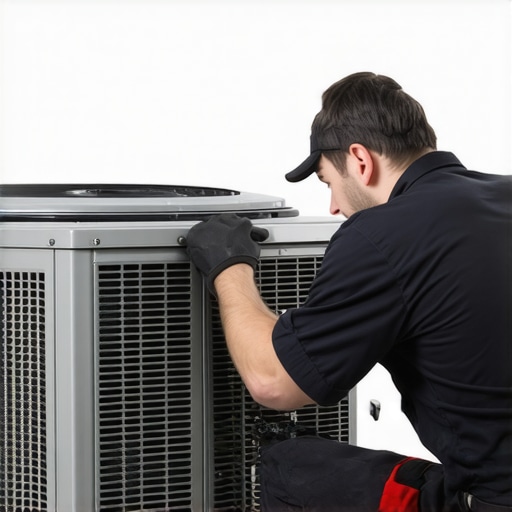
I remember the first time my furnace broke down in the dead of winter. It was freezing, and I was utterly unprepared. It felt like my home’s comfort was slipping away, and I was left scrambling to find a fix. That moment was a lightbulb for me — I realized how crucial it is to have reliable HVAC systems and the know-how to keep them running smoothly. If you’ve ever faced a sudden breakdown or just worry about your HVAC’s reliability, you’re not alone. Many homeowners feel overwhelmed by the complexity of repairs and installations, and that fear can make the smallest problem seem like a disaster.
Why Restoring Confidence in HVAC Matters More Than Ever
In today’s world, where energy efficiency and home comfort are priorities, understanding how to properly maintain and repair your HVAC system can be a game changer. Not only does it save you money, but it also ensures your home remains a sanctuary, no matter the season. Trust me, when your system works flawlessly, your entire home environment feels better, and your stress levels drop significantly. But here’s the thing — many people make common mistakes early on that can set them back. That’s why I want to share some insights that will help you rebuild confidence and take control of your home comfort.
Is HVAC Repair Really Worth the Hassle?
I used to think that calling in a professional was the only way, and honestly, I was afraid of making things worse. Early in my journey, I tried to fix a broken thermostat myself. Spoiler: I ended up replacing parts I didn’t understand, which only made the problem worse. That mistake taught me that knowing when to call a trusted expert is key. Luckily, I discovered that with a little guidance, I could handle many small issues myself, saving time and money. For example, learning about preventative maintenance can extend your system’s lifespan and prevent costly repairs. Want to avoid the pitfalls I faced? Check out preventative HVAC tips to keep your system running smoothly year-round.
So, if you’re tired of unpredictable breakdowns or just want to feel more confident when something goes wrong, this post is for you. We’re going to explore practical steps to rebuild your trust in your HVAC system and ensure lasting comfort at home. Ready to take charge? Let’s dive into the essentials that every homeowner should know.
Start with a Clear Diagnosis
Before attempting any repair, identify the root cause of the issue. Use simple tools like a multimeter to check thermostat signals or inspect filter conditions. I once found a clogged filter that caused my system to shut down unexpectedly. Replacing it restored function immediately and boosted my confidence in basic troubleshooting. For complex issues, consult expert guidance to determine if professional intervention is necessary.
Learn Basic Maintenance Skills
Developing hands-on skills can significantly reduce anxiety about small repairs. Change filters every 1-3 months, clean the condenser coils, and check for loose wiring. I remember the first time I cleaned my condenser coil — it looked intimidating, but after following a simple guide, I managed it without fuss. This experience proved that routine maintenance is manageable and empowering. For detailed tips, check out preventative HVAC tips.
Use Visual Aids to Simplify Repairs
Diagrams, videos, and step-by-step tutorials turn complex repairs into manageable tasks. I watched a YouTube video on thermostat calibration, paused often, and carefully followed each step. The result was a perfectly calibrated thermostat that improved my system’s efficiency. Visual aids are invaluable in building confidence, especially for homeowners new to HVAC repairs.
Create a Troubleshooting Checklist
A checklist streamlines the repair process and ensures no step is overlooked. For example, start with power supply checks, then move to thermostat settings, and finally inspect filters and vents. Over time, I developed my own checklist tailored to my system, which helped me quickly identify issues and avoid unnecessary calls. For comprehensive checklists, explore HVAC repair strategies.
Know When to Call a Professional
Recognizing your limits is crucial. If a repair involves refrigerant, electrical components, or complex system diagnostics, it’s safer and more effective to call an expert. I once tried to fix a refrigerant leak myself, but calling a licensed technician resulted in a faster, safer resolution. Learning to trust professionals when needed preserves your system’s longevity and your peace of mind. For guidance on urgent repairs, see urgent repair indicators.
Maintain Regular Preventative Checks
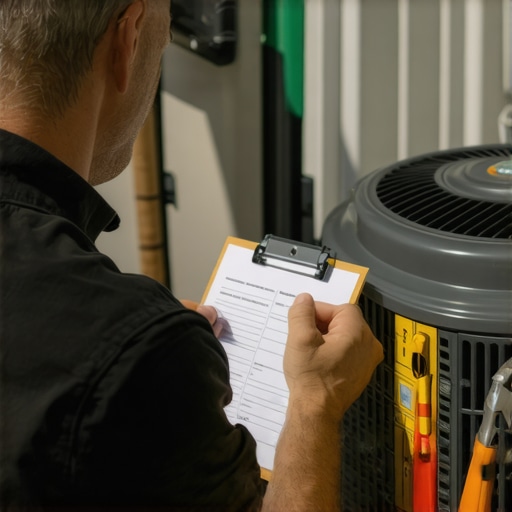
Consistent upkeep prevents major failures. Schedule seasonal inspections, clean components, and update settings. Once I set reminders for these tasks, my HVAC system operated efficiently year-round. This proactive approach minimizes breakdowns and builds confidence that my home stays comfortable no matter the weather. For a comprehensive maintenance plan, review preventative HVAC maintenance tips.
< >
>
Many homeowners operate under misconceptions about HVAC systems, often leading to costly mistakes. While it’s easy to fall for popular beliefs, understanding the nuances can significantly improve your system’s efficiency and lifespan. One common myth is that bigger HVAC units always perform better. In reality, an oversized system can cycle on and off frequently, increasing wear and tear and reducing efficiency. Proper sizing, based on detailed load calculations, is crucial — a task best handled by professionals, as outlined in expert guidance.
Another widespread misconception is that regular repairs are unnecessary if the system seems to work fine. This complacency can hide underlying issues that worsen over time, leading to breakdowns and expensive replacements. Preventative maintenance, including routine inspections and cleaning, is proven to extend system life and improve performance — see HVAC maintenance tips for more.
Why do many believe that DIY fixes are always sufficient? The truth might surprise you.
Many think that with a few tutorials or YouTube videos, they can handle complex repairs themselves. While minor tasks like changing filters or cleaning coils are manageable, attempting advanced repairs without proper knowledge can cause harm. For instance, mishandling refrigerants or electrical components can not only damage your system but also pose safety risks. According to industry experts, consulting a professional for anything beyond basic maintenance ensures safety and preserves your warranty — explore urgent repair indicators. Don’t fall into the trap of thinking all DIY is safe; sometimes, it’s best to call in the pros.
Another myth is that higher energy bills are unavoidable during peak seasons. However, inefficient systems or neglected maintenance can significantly spike costs. Investing in efficient repairs and proper tune-ups can keep your bills manageable while maintaining comfort. Remember, a well-maintained system doesn’t just run better — it saves you money in the long run.
In conclusion, debunking these common myths helps you make smarter decisions about your HVAC system. Whether it’s ensuring correct sizing, prioritizing preventative care, or knowing when to seek professional help, these insights can save you time, money, and stress. Have you ever fallen into this trap? Let me know in the comments. For more expert advice, visit trusted HVAC repair and installation.
Maintaining your HVAC system over time requires the right tools and a strategic approach. Personally, I rely on a few key pieces of equipment that make routine checks and minor repairs manageable, even for someone without extensive technical training. One of my go-to tools is a digital multimeter. It helps me verify electrical connections and ensure components like thermostats and relays are functioning correctly. I prefer a model like the Fluke 117, known for its accuracy and durability, which I’ve found invaluable in diagnosing issues before they escalate. Why do I recommend it? Because understanding electrical signals prevents unnecessary replacements, saving time and money. For more detailed diagnostics, I also keep a digital infrared thermometer on hand. This allows me to check temperature differences across systems, which can indicate airflow issues or refrigerant problems. Consistent use of these tools has helped me catch potential failures early, aligning with expert strategies shared in efficient HVAC repair guides.
Beyond tools, software for system monitoring is increasingly valuable. I’ve integrated a smart thermostat system with my HVAC to track usage patterns and diagnose problems remotely. Platforms like Nest or Ecobee provide real-time data and alerts, enabling me to intervene before small issues become costly repairs. These systems also help optimize energy efficiency, which is a trend I see expanding as technology advances. Future HVAC systems will likely incorporate AI-driven diagnostics, predicting failures based on usage data—something I’m eager to adopt in the coming years.
How do I maintain my HVAC system over time?
Regular inspections are key. I schedule seasonal checks, focusing on filters, coils, and electrical connections. Using a simple checklist and my multimeter, I verify system health periodically. Additionally, cleaning components like the condenser coil and inspecting ductwork for leaks ensures optimal airflow and efficiency. I also set reminders for professional tune-ups, which include refrigerant checks and system calibration. This proactive approach aligns with preventative maintenance tips recommended by industry experts. Over time, this discipline not only extends the lifespan of my system but also keeps my energy bills predictable and my home comfortable.
As technology evolves, I believe the future of HVAC maintenance will lean heavily on predictive analytics and IoT integration. These advancements will allow homeowners to receive alerts before components fail, making maintenance both easier and more effective. For now, I recommend investing in reliable diagnostic tools and embracing a routine maintenance schedule. Try incorporating a multimeter and a smart thermostat into your system care routine—they are game-changers for long-term reliability.
Remember, keeping your HVAC system in excellent shape isn’t just about fixing problems—it’s about preventing them. The right tools combined with consistent care make a significant difference. To dive deeper into optimizing your HVAC maintenance routine, explore these expert hacks and start implementing them today.
The Hardest Lesson I Learned About HVAC Repairs
One of the most eye-opening moments for me was realizing that rushing into DIY repairs without proper knowledge can lead to more harm than good. I once attempted to fix a refrigerant leak and ended up causing additional issues. That taught me the importance of knowing my limits and trusting professionals when necessary. This experience made me appreciate the value of proper diagnosis and expert help, which ultimately saved me time and money.
Three Myths About HVAC Maintenance That Held Me Back
I used to believe that if my system was working fine, I didn’t need regular checkups. Turns out, neglecting preventative maintenance can hide small problems that turn into costly repairs later. Learning that routine inspections and cleaning extend the lifespan of my HVAC made all the difference. Now, I schedule seasonal checkups and follow simple maintenance routines, which keep my home comfortable all year round.
What Industry Experts Won’t Tell You About System Sizing
Many people assume bigger is better when selecting an HVAC unit. I learned the hard way that oversized systems cycle on and off too frequently, causing wear and inefficiency. Getting a professional load calculation ensures the right fit for your home, which improves performance and saves money. Trusting the experts to size your system correctly is one of the smartest moves you can make for long-term reliability.
My Essential Toolkit for HVAC Troubleshooting
Over time, I’ve found that a good digital multimeter and an infrared thermometer are invaluable for diagnosing issues early. These tools help me verify electrical connections and monitor system temperatures, preventing small problems from escalating. I trust brands like Fluke for their accuracy and durability, which makes troubleshooting less intimidating and more effective. Incorporating these tools into your routine can empower you to handle minor issues confidently.
Where to Go from Here
If you’re eager to take control of your HVAC system, start with basic maintenance, learn diagnostic techniques, and know when to call a pro. Regular checks and simple repairs can significantly extend your system’s life and improve efficiency. For more advanced tips, explore preventative HVAC maintenance tips or check out trusted guides on efficient repairs. Remember, confidence in your HVAC system comes from knowledge and preparation—start today and enjoy a more comfortable, worry-free home.