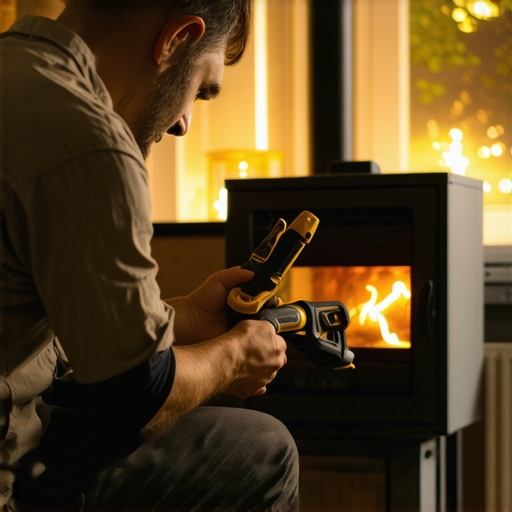
It was a freezing evening when my old furnace finally sputtered out, leaving my family shivering in the cold. That moment, I realized how fragile our comfort truly is and how much we depend on that warm, consistent heat to keep our homes livable. If you’ve ever experienced a sudden breakdown or suspected your furnace was less reliable than it used to be, you know exactly what I’m talking about—those cold sweats that come with uncertainty. Today, I want to share how I learned to rebuild trust in my heating system and, more importantly, how you can do the same.
Why Trust in Your Heating System Matters More Than Ever
In our homes, heating isn’t a luxury; it’s a necessity. A dependable furnace provides us with safety, comfort, and peace of mind. Yet, many homeowners face unreliable heating, especially during those critical cold snaps. The truth is, neglecting regular maintenance or delaying repairs can turn what seems like minor issues into full-blown crises.
Over the years, I’ve seen firsthand how quick fixes and overlooked warnings only complicate things. Early mistakes, like ignoring that strange rattling or delay in troubleshooting, can lead to expensive repairs or complete system failure. Trusting your heating system means knowing when it’s time to call in a professional and, equally important, understanding the signs of trouble before they escalate.
Let me ask you—have you ever ignored that weird noise or felt unsure about whether your furnace really needs attention? If so, you’re not alone. When I first started out, I made the mistake of trying to patch things on my own without proper knowledge. That approach often cost me more in the long run. Learning from those missteps, I found that expert advice and proactive maintenance are the keys to restoring confidence—and warmth—to your home.
Knowing when to act can make all the difference. For example, [knowing how to identify urgent furnace issues](https://heatprosservices.com/how-to-identify-when-furnace-repair-is-urgent-and-why) can save you from cold nights and expensive repairs. And remember, regular preventative measures not only extend your system’s lifespan but also ensure it operates at peak efficiency, saving you money in the long run. For a comprehensive look into these strategies, check out [heatprosservices.com/heating-service-hacks-for-comfort-and-savings-in-2025](https://heatprosservices.com/heating-service-hacks-for-comfort-and-savings-in-2025).
As we move forward, I’ll guide you through practical steps to assess, maintain, and repair your furnace with confidence. Rest assured, rebuilding trust in your heating system is entirely possible—and well worth the effort. Keep reading for expert insights and actionable tips to keep your home warm and your trust intact.
Evaluate the System Thoroughly
Start by inspecting your furnace for obvious issues like leaks, rust, or broken parts. Turn off the power and examine components such as the blower motor, filters, and pilot light. I once found a clogged filter that, when replaced, immediately improved efficiency, saving me from a costly repair and restoring my trust in my system.
Identify Warning Signs Early
Learn to recognize irregular noises, inconsistent heating, or increased energy bills. For example, I noticed my furnace cycling frequently, which seemed minor at first. However, after consulting an expert, I discovered dirty burners causing inefficiency—addressing this early prevented a full breakdown.
Perform Regular Maintenance
Change filters every 1-3 months, depending on usage, and schedule annual professional inspections. Think of your furnace as a car; routine tune-ups prevent unexpected breakdowns. Contractors like those from Heat Pros Services offer comprehensive checks that can catch small issues before they escalate.
Learn Basic Troubleshooting
Understand simple fixes such as resetting the system or cleaning sensors. During a winter storm, I saved myself a call by cycling the breaker and cleaning the thermostat sensor. These quick actions keep your system running smoothly and build confidence in your ability to manage minor problems.
Know When to Call Professionals
Use criteria like persistent failure to start, strange odors, or error codes to determine urgency. I once ignored a slight smell of gas, which turned into a dangerous situation. Consulting experts through this resource taught me the importance of expert intervention for safety and durability.
Document and Track Repairs
Keep a detailed record of maintenance and repairs. This habit helped me identify patterns, such as frequent thermostat issues, prompting a system upgrade rather than repeated repairs. Maintenance logs also aid professionals in diagnosing future problems effectively.
Optimize System Settings
Adjust thermostats to match occupancy and outdoor temperatures. For instance, setting it lower at night saved me energy and prolonged my furnace’s lifespan. Modern smart thermostats allow remote adjustments, adding convenience and efficiency.
Stay Informed on System Upgrades
Regularly explore new technologies that can improve performance. I learned about inverter-driven furnaces and how they adapt speed to demand, significantly reducing energy consumption. Check out latest innovations to decide if an upgrade fits your needs.
Many homeowners operate under misconceptions about heating and cooling services, often leading to costly mistakes. One common myth is that replacing parts hastily saves money, but in reality, a well-planned, professional diagnosis can uncover underlying issues that simple fixes overlook. For example, some believe that routine maintenance is optional; however, neglecting this can cause systems to degrade faster, reducing efficiency and lifespan. Let’s challenge the notion that DIY repairs are sufficient—expert intervention often detects subtle problem patterns that untrained eyes miss, helping you avoid expensive pitfalls down the line. Moreover, many assume that all HVAC technicians deliver similar quality; selecting a provider with proven experience, like those from industry-leading companies, ensures long-term trust. A hidden trap is ignoring early warning signs such as inconsistent temperatures or odd noises, which can signal imminent failures. Addressing these promptly prevents emergency breakdowns. For advanced readers pondering:
How can subtle inefficiencies in an HVAC system indicate deeper mechanical issues?
Studies indicate that minor fluctuations in airflow or temperature often precede major repairs, emphasizing the importance of detailed diagnostics. Relying solely on temperature comfort without evaluating system components can mask underlying deterioration. To optimize your system’s performance, consider regular preventive measures detailed in preventative maintenance guides. Remember, understanding these nuances empowers you to make smarter decisions—saving money and ensuring consistent comfort. Have you ever fallen into this trap? Let me know in the comments.
Keeping It Running with Precision Tools
Maintaining your heating and cooling systems over years requires more than just intuition; it demands reliable tools designed for accuracy and durability. Personally, I swear by digital multimeters from Fluke. They allow me to safely measure voltage, current, and resistance, ensuring every component functions correctly before and after repairs. A quality multimeter helps prevent misdiagnosis, saving time and money, and is essential for troubleshooting complex issues like sensor failures or relay faults. For more advanced diagnostics, thermal imaging cameras from FLIR have become invaluable—they help spot heat leaks or failing components without intrusive inspections, which I use regularly to verify system efficiency and identify hidden problems.
Investing in System Monitoring Software
Beyond manual tools, modern HVAC maintenance benefits greatly from software solutions. I recommend using smart thermostats like Nest or Ecobee, which provide real-time data, system alerts, and remote control capabilities. These platforms track usage patterns and notify you of anomalies such as abnormal energy consumption, indicating potential issues early. Pairing these with professional maintenance software like HVAC Duct and System Analyzer allows contractors to remotely diagnose inefficiencies, making long-term upkeep more manageable. Embracing such technology not only simplifies ongoing maintenance but also extends your system’s lifespan by catching problems before they escalate.
Trending the Future: Automation and Predictive Maintenance
Looking ahead, the shift toward automation and predictive analytics is transforming HVAC upkeep. IoT sensors integrated into systems can predict failures weeks in advance based on data patterns, minimizing unexpected breakdowns. This proactive approach aligns with industry forecasts, such as those outlined in the latest innovations in climate control, indicating a move toward fully autonomous maintenance cycles. By investing in these technologies now, homeowners and professionals alike can enjoy peace of mind and significant cost savings.
How do I maintain my HVAC system over time?
The key is consistency—regular inspections, timely replacements, and leveraging advanced diagnostics are your best bets. For instance, I scheduled bi-annual professional checkups paired with ongoing data from smart thermostats. This synergy keeps my system in top shape and allows me to address minor issues before they become major problems. As new tools emerge, integrating them into your maintenance routine ensures your system operates efficiently for years to come.
If you’re interested in elevating your maintenance game, I recommend trying out a professional-grade thermal imaging camera. It’s a game-changer in detecting inefficiencies early and verifying repair quality. For more detailed guidance on advanced HVAC strategies, visit this resource to learn how to implement predictive maintenance effectively. Don’t wait for a breakdown—start incorporating these tools today and enjoy prolonged system health and comfort.
The Hardest Lesson I Learned About heating service,HVAC repair,AC installation,furnace repair
One of the most challenging insights I encountered was realizing that rushing repairs without proper diagnostics often worsened issues. I once attempted a quick fix based on surface symptoms, only to face a costly breakdown later. Patience and thorough inspection are vital.
3 Myths About heating service,HVAC repair,AC installation,furnace repair That Held Me Back
I believed that DIY repairs could replace professional service, which delayed necessary expert help. Overcoming this myth taught me the importance of knowing my limits and trusting trained technicians for complex problems.
What Experts Won’t Tell You About heating service,HVAC repair,AC installation,furnace repair
Many technicians avoid mentioning that recurrent neglect, such as ignoring early warning signs, leads to more expensive repairs down the line. Proactive maintenance and education are keys to trust and system longevity.
Curated Tools That Changed My Approach to HVAC Maintenance
Investing in a quality digital multimeter revolutionized how I diagnose issues safely and accurately. Paired with thermal imaging cameras, I could detect inefficiencies early—saving time, money, and peace of mind.
My Essential Guide for Staying Ahead of HVAC Troubles
Using smart thermostats with predictive maintenance capabilities has been transformative. These tools notify me of potential failures before they occur, enabling a proactive approach that keeps my home consistently comfortable.
Your Step Toward a Warmer, Safer Home
Remember, understanding your heating system deeply and embracing advanced tools empowers you to prevent problems before they disrupt your comfort. Take control today—your home and wallet will thank you.