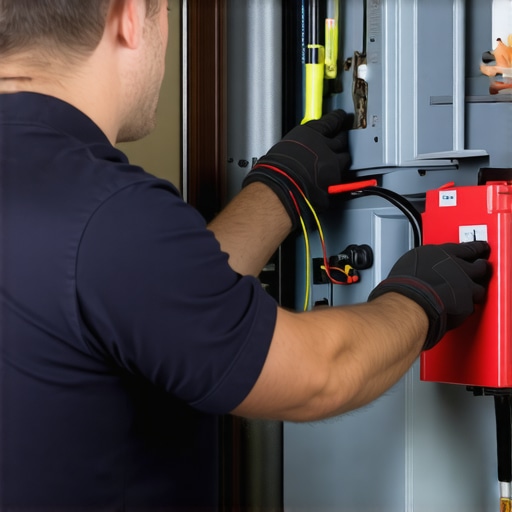
Ever been in the middle of a heatwave or a freezing winter, only to realize your HVAC system isn’t cooperating? I remember the panic I felt when my furnace suddenly stopped working during the coldest night of the year. That moment was a lightbulb for me—understanding and tackling HVAC issues isn’t just about fixing appliances; it’s about restoring peace of mind and comfort in our homes.
Why HVAC Confidence Matters More Than Ever
Let’s face it, our homes are our sanctuaries. When the heating or cooling fails, it disrupts everything—sleep, work, health. Early in my journey, I made a costly mistake by attempting a DIY repair without enough knowledge, which only worsened the problem. That taught me the importance of proper guidance and trusting the experts when needed. Today, I want to share the proven strategies that helped me regain confidence in my system and ensure my home stays comfortable year-round. Whether you’re facing a sudden breakdown or planning an upgrade, understanding the fundamentals of HVAC repair & installation can transform your approach from anxious to empowered.
Is HVAC Repair and Installation Actually Worth the Effort?
Many homeowners wonder if learning about HVAC fixes is worth their time, especially when professionals are just a call away. My answer? Absolutely. Not only does it save you money, but it also helps you recognize issues early before they escalate. Plus, being informed makes you less vulnerable to scams and unnecessary replacements. For a solid starting point, check out this guide on choosing the right HVAC fixes. Remember, the goal isn’t to turn you into a repair technician overnight but to give you enough knowledge to make confident decisions and communicate effectively with the pros.
So, if you’ve ever faced the dread of an unresponsive AC or a furnace that refuses to turn on, you’re not alone. Many homeowners find themselves overwhelmed initially. But with the right information and a little guidance, you can rebuild that trust in your home’s heating and cooling systems. Stay tuned—I’ll walk you through actionable steps to restore your HVAC confidence and keep your home cozy or cool, no matter the season.
,
Identify the Root Cause of HVAC Problems
Start by systematically diagnosing your system. For instance, if your AC isn’t cooling effectively, check if the filters are clogged or if the thermostat is functioning properly. I once faced a similar issue where simply replacing a dirty filter restored my AC’s performance. Use a flashlight to inspect components, listen for unusual noises, and look for leaks or ice buildup. This is akin to troubleshooting a car engine; pinpointing the exact fault saves time and money.
Learn Basic Troubleshooting Techniques
Familiarize yourself with simple fixes, like resetting circuit breakers, cleaning vents, or replacing filters. For example, I learned to reset my furnace by flipping the switch on the control board after a power outage, which often resolved minor issues. Keep a checklist nearby and document your steps. This approach builds confidence, ensuring you don’t panic when problems arise.
Gather Essential Tools and Replacement Parts
Equip yourself with basic tools such as screwdrivers, pliers, a multimeter, and a vacuum. Additionally, keep common replacement parts like filters and capacitors on hand. I once had a capacitor fail during a cold snap; having a spare allowed me to swap it out quickly, avoiding a costly service call. Think of it as keeping spare tires in your trunk—preparation prevents emergency breakdowns.
Follow Reliable Guides for Repairs and Upgrades
Use trusted resources to guide your repairs. For instance, I referenced this blueprint for efficient repairs when fixing my heater, ensuring I followed industry best practices. These guides detail step-by-step procedures, safety tips, and troubleshooting advice, helping you avoid common pitfalls.
Schedule Preventative Maintenance
Prevention is better than cure. Regularly cleaning filters, checking ductwork, and scheduling annual inspections extend your system’s lifespan. I set reminders for seasonal checks, which caught minor issues early, saving me hundreds in repairs later. Consider subscribing to maintenance plans or consulting local experts like those at this contact page for professional help.
Know When to Call the Professionals
Recognize your limits. If your system shows signs of urgent failure—strange smells, loud noises, or complete breakdown—it’s safer to contact experts. I once attempted a repair myself and worsened the problem, leading to a costly replacement. For guidance on when to seek help, see this resource. Professionals have specialized tools and training to fix complex issues reliably.
Document Your Repairs and Upgrades
Keep a log of repairs, parts replaced, and maintenance dates. This record helps track your system’s health and informs future decisions. When I documented my HVAC history, I noticed recurring issues that I could address proactively, avoiding surprises during extreme weather.
By mastering these core steps, you transform from a homeowner anxious about system failures to someone confident in maintaining your home’s climate comfort. Remember, proper knowledge and preparation empower you to troubleshoot effectively and know when to call in the experts for lasting peace of mind.
In the world of HVAC, many homeowners operate under misconceptions that can lead to costly mistakes and decreased system longevity. Let’s dig deeper into some of the most common myths and reveal the hidden nuances that can make a significant difference in maintaining your home’s climate control system.
Why Cutting Corners on Maintenance Backfires
One prevalent misconception is that annual inspections are enough. In reality, neglecting routine maintenance like filter changes or duct cleaning can cause system inefficiencies and unexpected breakdowns. For example, I once ignored my filter for several months, which led to icy coils and a costly repair. Regularly scheduled preventative care, such as outlined in preventative HVAC tips, can save you from such surprises. Skipping these small tasks might seem harmless but can undermine your system’s performance over time.
Myth: Bigger Is Better When Replacing Equipment
Many believe that installing a larger HVAC unit ensures better cooling or heating. However, oversized systems cycle on and off frequently, leading to increased wear and higher energy bills. An expert from this guide explains that proper sizing based on your home’s specific needs is crucial. I learned this the hard way when an oversized furnace caused uneven temperature distribution and higher utility costs. Proper sizing and installation are nuanced processes that demand professional expertise—don’t fall for the myth that bigger always means better.
Beware of DIY Fixes That Seem Easy
While DIY repairs can be tempting, they often cause more harm than good. Fixing electrical components or refrigerant levels without proper training can be dangerous and void warranties. I once attempted to recharge my AC refrigerant, which not only failed but also caused leaks. This mistake reminded me that complex repairs should be left to licensed professionals, as highlighted in furnace repair myths. Knowing your limits and trusting the experts is a nuanced but vital aspect of HVAC maintenance.
What Do Advanced HVAC Enthusiasts Need to Know?
For those familiar with the basics, understanding system diagnostics and energy efficiency nuances can elevate your expertise. For example, recognizing signs of refrigerant leaks or understanding the importance of proper airflow can prevent major failures. Studies, such as the one from the Heating Service Hacks report, emphasize that proactive troubleshooting extends HVAC lifespan and maximizes efficiency. This knowledge helps you identify issues early and communicate effectively with professionals, ensuring lasting comfort and savings.
Have you ever fallen into this trap? Let me know in the comments. Mastering these nuances not only saves money but also builds confidence in your home’s climate control system, ensuring comfort for years to come.
Keeping your HVAC system running smoothly over the years requires more than just occasional repairs; it involves using the right tools, adopting effective maintenance practices, and staying ahead of potential issues. As someone who has learned the hard way, I highly recommend investing in quality equipment and following a disciplined maintenance routine to extend your system’s lifespan and ensure consistent comfort at home.
Why Tool Quality Matters for HVAC Maintenance
In my experience, having the right tools makes all the difference. For example, I use a multimeter not just to check electrical connections but to diagnose circuit issues accurately, saving me from unnecessary replacements. A good multimeter provides precise readings, which are vital for troubleshooting complex electrical components. Similarly, a vacuum with a narrow nozzle helps me clean ductwork and coils thoroughly, preventing dust buildup that can impair efficiency. High-quality tools are an investment; they last longer and provide reliable results, making routine maintenance more manageable.
Essential Equipment I Trust
One tool I rely on heavily is a digital refrigerant gauge. This device allows me to monitor refrigerant levels precisely, ensuring optimal cooling performance. Proper refrigerant charge is crucial, and a good gauge helps prevent overcharging or undercharging, which can cause system failure. Additionally, a magnetic inspection mirror helps me peek into tight spots within the HVAC unit, revealing issues like corrosion or loose connections without disassembling everything. And, of course, a sturdy set of screwdrivers and pliers are indispensable for removing panels and tightening connections safely.
How do I maintain my tools over time?
To keep my tools in top shape, I always clean them after use and store them in a dry, organized toolbox. Regular calibration of devices like multimeters ensures accuracy, and replacing worn-out parts prevents false readings. Maintaining your tools is as important as maintaining your HVAC system itself because faulty tools lead to incorrect diagnostics and ineffective repairs. For detailed guidance on preventative care, check out this comprehensive maintenance tips.
Future Trends in HVAC Tool Advancements
Looking ahead, I predict smart diagnostic tools will become more prevalent, integrating IoT technology to provide real-time system health monitoring. Imagine an app that alerts you when filters need changing or if refrigerant levels are off, helping you catch issues early. This evolution will empower homeowners to take proactive steps, reducing reliance on costly emergency repairs and maximizing efficiency. Staying updated on these innovations is key to long-term success in HVAC maintenance.
Want to get started today? Try using a digital refrigerant gauge to check your system’s refrigerant levels. It’s an easy step that can prevent bigger problems down the line. Remember, tools are your first line of defense in maintaining a reliable, efficient HVAC system—invest in quality, keep them well-maintained, and you’ll enjoy peace of mind for years to come.
The Hardest Lesson I Learned About HVAC Confidence
One of my biggest lightbulb moments was realizing that DIY fixes often seem easier than they are. I once tried to replace my thermostat without proper tools and ended up causing a short circuit. That taught me that knowing your limits and understanding the complexity of HVAC systems is crucial. Trusting professionals when you’re unsure can save time, money, and peace of mind.
Myth Busting That Changed My Approach to HVAC Maintenance
I used to believe bigger units meant better efficiency, but I learned that improper sizing leads to increased wear and higher bills. Reading this guide helped me understand the importance of professional sizing and installation, which significantly improved my system’s performance.
The Unexpected Power of Preventative Care
Regular maintenance, like changing filters and cleaning ducts, saved me from unexpected breakdowns. Setting seasonal reminders helped me stay proactive, preventing costly repairs. This simple habit drastically boosted my confidence in managing my HVAC system effectively.
Curated Recommendations for HVAC Success
Multimeter: A reliable multimeter is essential for diagnosing electrical issues accurately. It’s a small investment that pays off by preventing unnecessary replacements.
Digital Refrigerant Gauge: Monitoring refrigerant levels with a quality gauge ensures your AC runs efficiently and avoids leaks. I trust my gauge because it gives precise readings and helps me troubleshoot effectively.
Trusted Guides: Resources like this blueprint provide step-by-step instructions, safety tips, and industry best practices. They’re my go-to for repairs and upgrades.
Professional Maintenance Plans: Regularly scheduled checkups by licensed technicians help detect issues early and extend system lifespan. I’ve seen firsthand how professional care complements DIY efforts for lasting comfort.
Your Turn to Take Control of HVAC Confidence
Mastering HVAC maintenance is about combining knowledge, the right tools, and when to call the pros. It’s a journey of learning that builds resilience and peace of mind. Ready to take the next step? Start by checking your refrigerant levels with a digital gauge and see the difference it makes in your system’s performance.
What’s the biggest HVAC challenge you’ve faced, and how did you overcome it? Share your story below!