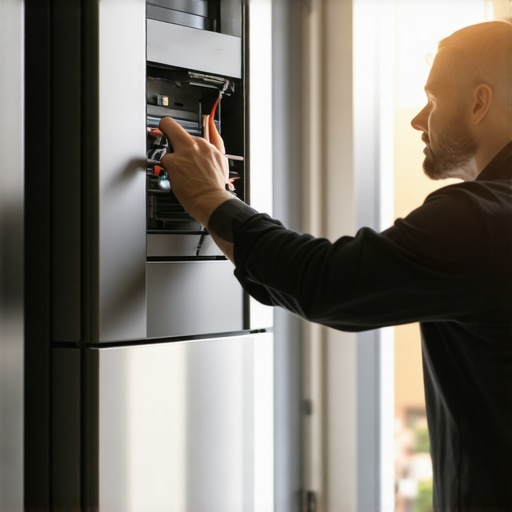
I’ll never forget that cold winter night when I realized my furnace was on the fritz. The heater sputtered, then went silent, leaving my home freezing and my confidence shaken. It was a lightbulb moment that made me realize just how vital reliable heating is—and how unprepared I was to handle it myself. That experience sparked a journey to understand heating repairs and restore my home’s comfort with confidence.
Why Trusting Your Heating System Matters More Than Ever
In the heart of winter, when your furnace falters, the stress can be overwhelming. It’s not just about comfort; it’s about safety, health, and peace of mind. A faulty heating system can lead to increased energy bills, potential breakdowns, or worse—complete system failure. Early in my own troubleshooting, I made the mistake of ignoring small warning signs, thinking it was just a minor glitch. That was a costly lesson. It’s crucial to recognize when to call in the pros and how proper maintenance can prevent emergencies.
Have you ever faced the panic of a sudden heating failure?
Many homeowners feel helpless when their furnace stops working unexpectedly. I did, too. But here’s the truth I learned: taking small proactive steps, like regular inspections and understanding the common signs of trouble, can make all the difference. In fact, according to industry experts, most emergency repairs could be avoided with simple preventative measures. For example, a quick checkup of your system can catch issues early and save you from costly repairs or replacements later. Curious about what these preventive steps are? I’ll walk you through everything you need to know to keep your home warm and safe.
Stay tuned, because in the upcoming sections, I’ll share practical tips and insider secrets that helped me rebuild my confidence in handling my home’s heating system. Whether you’re facing a current problem or just want to be prepared, these insights will empower you to act wisely and confidently. Ready to take control of your home’s warmth? Let’s dive into the essentials that every homeowner should know.
Inspect Your System Thoroughly
My first real success in troubleshooting came when I decided to check the filter and thermostat. I turned off the power, removed the filter, and noticed it was clogged with dust. Replacing it instantly improved airflow. Always start with simple checks like filters, vents, and thermostat settings because these small issues are common culprits. Think of it as giving your system a quick health check—like checking your pulse before worrying about more complex problems.
Learn Basic Troubleshooting Techniques
Once I understood the basics, I learned to listen for unusual noises and observe if the system cycles properly. For example, I once heard a banging noise, which turned out to be a loose blower wheel. Tightening it restored quiet operation. Developing a routine to listen, observe, and note issues empowers you to identify red flags early. For deeper insights, I recommend reviewing expert tips at this guide for urgent repair signs.
Perform Routine Maintenance
Regular maintenance is your best defense against unexpected failures. I set a calendar reminder to schedule an annual professional tune-up, which includes inspecting burners and checking electrical connections. Meanwhile, I kept up with changing filters every 1-3 months. This proactive approach is like changing the oil in your car—it keeps everything running smoothly. For expert-approved maintenance tips, visit preventative tips.
Learn to Use Diagnostic Tools
Investing in a digital multimeter allowed me to test voltage and current safely. I used it to verify if the limit switch was functioning properly, which was the cause of my system shutting down unexpectedly. Think of diagnostic tools as your home’s health monitors—they give you precise information. If you’re unsure how to use these tools, online tutorials and expert advice can be invaluable, like in this resource.
Identify When to Call the Professionals
While I learned a lot, I quickly realized that some issues, like refrigerant leaks or complex electrical faults, require professional expertise. For example, when my system stopped producing heat altogether, I knew it was beyond my DIY scope. Recognizing these moments avoids risks and further damage. Learn the key signs that demand expert intervention at this guide.
Keep Records and Track Repairs
I started documenting repairs, dates, and parts used. This habit proved helpful during subsequent repairs, saving time and money. Think of it as your own health journal—valuable for future troubleshooting and when talking to technicians. Maintaining detailed records also helps identify recurring issues and plan preventive measures, like scheduled tune-ups, keeping your system reliable year-round.
Embracing these steps transformed my approach from panic to confidence. Remember, mastering basic repairs and maintenance creates a foundation of trust in your home’s heating system, ensuring cozy comfort even on the coldest nights.
In the world of HVAC and furnace repair, there’s a lot of misinformation that can lead homeowners astray. One common myth is that bigger or more expensive equipment always means better performance. In reality, choosing the right size and type of system is nuanced and requires careful assessment. Oversized units can cycle on and off more frequently, leading to increased wear and tear, while undersized systems struggle to meet your home’s heating or cooling demands, causing inefficiency and higher energy bills. For expert advice on selecting the perfect system, check out these installation secrets.
Why do so many homeowners fall into the trap of ignoring regular maintenance?
Many believe that once an HVAC system is installed, it will run smoothly forever. This is a dangerous misconception. Regular maintenance is crucial to prevent minor issues from turning into costly repairs. Ignoring routine checks can lead to system failures, decreased lifespan, and poor indoor air quality. An often-overlooked detail is the importance of cleaning or replacing filters, which many homeowners neglect, thinking it’s unnecessary. But dirty filters restrict airflow and strain the system, reducing efficiency. For comprehensive maintenance tips, visit these preventative tips.
Advanced homeowners ask: How do I identify hidden issues before they become emergencies?
Spotting hidden problems requires more than just listening for strange noises or noticing performance drops. It involves understanding diagnostic signals such as inconsistent airflow, unexplained increases in energy bills, or frequent cycling. Using diagnostic tools like multimeters can reveal electrical faults that are not immediately obvious. For example, voltage fluctuations might indicate a failing relay or control board. Developing these skills can save you from unexpected breakdowns. Learn more about diagnosing complex issues at this resource.
Have you ever fallen into this trap? Let me know in the comments. Remember, understanding these nuances can be the difference between a minor inconvenience and a costly disaster. Staying informed and proactive ensures your home remains comfortable and safe all year round. For a deeper dive into expert installation and repair strategies, explore this ultimate guide.
How do I maintain my HVAC system over time?
Keeping your HVAC system running smoothly requires more than just occasional checkups. I recommend investing in a high-quality digital multimeter, like the Fluke 115, which I personally use for testing electrical components and verifying voltage levels. This tool has saved me countless trips to the repair shop by allowing me to diagnose electrical faults early. Additionally, a reliable refrigerant leak detector, such as the Fieldpiece SRL8, helps me identify hidden leaks that could otherwise cause system failure. Regularly inspecting and calibrating these tools ensures accurate readings, which is critical for effective troubleshooting.
Beyond hardware, software tools have become increasingly valuable. I rely on HVAC diagnostic apps like HVAC Check and service management platforms such as Jobber to keep track of maintenance schedules, service histories, and upcoming appointments. These digital solutions streamline my workflow, prevent missed maintenance, and keep detailed records for future reference. As technology advances, I predict that AI-powered diagnostic platforms will become standard, offering even more precise and predictive maintenance insights, helping homeowners and technicians alike prevent issues before they escalate.
Why proper maintenance tools matter for long-term HVAC health
Using the right tools not only saves time but also extends your system’s lifespan. For instance, a high-quality vacuum pump is essential when recharging refrigerant, ensuring the system is free of moisture and contaminants. I personally prefer the Robinair 15500NI, known for its durability and consistent performance. Properly maintaining your system with these tools prevents common issues like freezing coils, inefficient cooling, or overheating, ultimately saving you money and stress.
If you’re serious about keeping your HVAC system in top shape, I highly recommend following the maintenance routines outlined in this guide. Regular use of diagnostic tools, combined with scheduled professional inspections, can dramatically improve your system’s reliability. Take the initiative today—try out a digital multimeter or refrigerant leak detector and see how much easier troubleshooting becomes. The future of HVAC maintenance is leaning heavily toward smarter, more integrated tools that empower homeowners to take control of their comfort and system longevity.
The Hardest Lesson I Learned About HVAC Repairs
One of my most pivotal lessons was realizing that DIY fixes aren’t always enough. I once attempted to repair a faulty thermostat, only to find out I was masking a bigger electrical issue. This taught me the importance of knowing my limits and recognizing when to call in professionals. It’s a reminder that understanding the core of HVAC problems can save you from costly mistakes and ensure safety.
What I Wish I Knew About System Maintenance Early On
Maintaining my HVAC system is less about reactive repairs and more about proactive care. Using reliable tools like a digital multimeter from this guide helped me spot electrical faults before they caused breakdowns. Regular inspections and proper calibration are game changers, turning potential disasters into manageable tasks.
How Technology Changed My Approach to HVAC Troubleshooting
Investing in diagnostic tools and apps revolutionized my confidence. A refrigerant leak detector like the Fieldpiece SRL8 and smart maintenance platforms such as Jobber made scheduling and diagnosing issues seamless. These tools provided insights I couldn’t get from just listening or observing, empowering me to act swiftly and effectively. For more on essential tools, check this resource.
Why Embracing the Expert’s Wisdom Will Save You Time
Despite my DIY enthusiasm, I learned that some issues, like refrigerant leaks, demand specialized skills. Recognizing when to seek professional help prevents further damage and keeps my system running efficiently. I now keep a record of repairs and consultations, which helps me understand recurring issues and plan better maintenance, ensuring my home stays warm in winter and cool in summer.
My Journey from Uncertainty to HVAC Confidence
Mastering basic repairs, leveraging smart tools, and knowing when to call the pros transformed my approach from panic to confidence. Every homeowner can take control of their HVAC system with a little knowledge and the right resources. Remember, the effort you put into understanding your system today will pay off with reliable comfort tomorrow. For more expert tips, explore this comprehensive guide.