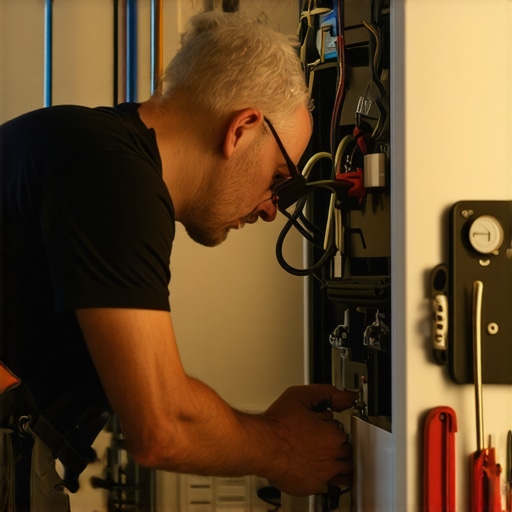
It was one of those cold mornings when I finally decided to turn on my heater—and nothing happened. The silence was deafening, and I felt that sinking feeling in my chest. After all, I knew how harsh winter can get, and if my furnace was giving me trouble, how many others were struggling too? That moment struck a chord with me—many homeowners face the same frustration and uncertainty when their heating systems fail just when they need them most.
Rebuilding Trust in HVAC and Furnace Services
It’s easy to feel overwhelmed and skeptical about calling in the professionals after a bad experience. Maybe you’ve dealt with overpriced repairs, vague explanations, or systems that break down shortly after being serviced. Trust doesn’t happen overnight, but I’ve learned that understanding the process and choosing the right experts can turn frustration into confidence.
One thing I wish I had known early on is how crucial preventative maintenance is. Regular service can catch problems before they leave you in the cold. For example, according to industry experts, preventative maintenance can extend the lifespan of your HVAC system and prevent costly emergency repairs (source: Preventative HVAC Tips). Knowing this shifted my perspective—I realized that investing in routine check-ups was a smarter move than panic repairs.
Are you worried that your furnace might fail again? You’re not alone. Many homeowners fear being left in the cold, especially when they lack the knowledge to manage or repair their systems. The key is understanding what signs indicate urgent repairs versus simple fixes you can handle yourself.
In the next sections, I’ll share practical tips I’ve picked up over the years—lessons I wish I knew when I first faced that freezing morning. If you’re tired of unpredictable heating and want to rebuild your trust in HVAC services, stick around. We’ll explore how to identify issues early, choose reputable professionals, and keep your home warm and comfortable all year round.
Diagnose Before You Fix: Pinpoint System Issues
Check Thermostat Settings and Power
Start by verifying that your thermostat is set to the desired temperature and has fresh batteries if wireless. Sometimes, the simplest fix is as easy as adjusting the thermostat or resetting its power. I once found my heater unresponsive because I hadn’t turned on the system after adjusting the temperature—saving myself a costly service call.
Inspect Air Filters and Vents
Clogged filters restrict airflow, causing system inefficiency or shutdown. Remove and replace filters regularly—every 1-3 months. Once, I cleaned my filters and cleared blocked vents, which immediately improved airflow and warmth. Think of it like cleaning a clogged pipe—nothing flows properly until the blockage is removed.
Identify Urgent Repairs and Signs of Trouble
Recognize Warning Signs Quickly
Listen for unusual noises, note if the system cycles on and off frequently, or if certain rooms remain cold. If your furnace produces banging sounds or emits a strange odor, it likely needs professional attention. Learning to identify these cues is like noticing warning lights on your dashboard—prompt action can save money and prevent breakdowns.
Use the ‘Urgency Checklist’
Apply a simple test: if your system fails to ignite, emits carbon monoxide, or if there’s water leakage, these are clear indicators that immediate service is required. This approach mirrors car maintenance—addressing the urgent issues before they become costly emergencies.
Choose the Right Professionals for Repair and Maintenance
Vet Reputable Service Providers
Research local HVAC companies, read reviews, and verify certifications. I found a company through recommendations and checked their credentials on trusted platforms. Opting for experts familiar with your system type—like those who specialize in furnaces or heat pumps—ensures quality work. This is akin to choosing a specialist for a complex medical issue—trust matters.
Leverage Preventative Maintenance Programs
Schedule annual check-ups to catch minor problems early. A proactive approach is like regular oil changes for a car—extends system lifespan and improves efficiency. For detailed tips, visit Preventative HVAC Tips.
Implement DIY Troubleshooting Safely and Effectively
Perform Basic Troubleshooting
Simple actions like resetting the system or cleaning units can restore function. For example, I manually reset my furnace’s circuit breaker after a power surge, which resolved the issue. Always prioritize safety and know your limits—consult a professional if unsure.
Maintain Documentation for Future Repairs
Keep records of system models, previous repairs, and maintenance dates. This practice helps technicians diagnose issues faster and ensures consistent servicing. Think of it as your system’s health history, making future troubleshooting smoother.
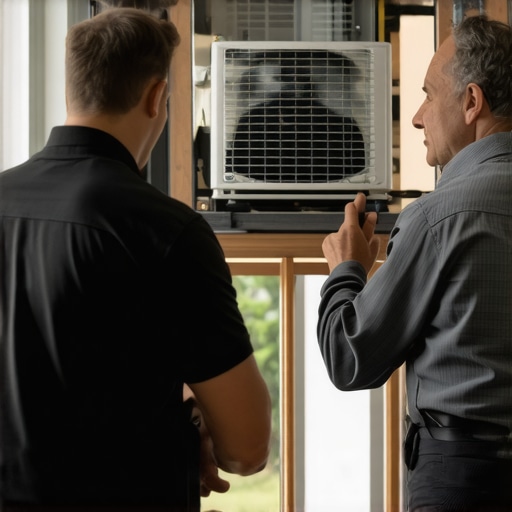 Many homeowners operate under misconceptions that can lead to costly mistakes when dealing with HVAC systems. One pervasive myth is that repairs are always quick and inexpensive; in reality, neglecting routine maintenance often results in more complex and expensive issues down the line. Overlooking the importance of seasoned professionals can also be a trap—choosing the cheapest service provider without verifying credentials might compromise system longevity and safety. An advanced nuance often missed is the belief that HVAC systems should last indefinitely without updates or efficiency upgrades. According to industry experts, staying current with technological improvements not only enhances performance but can significantly reduce energy bills, as detailed in this guide. It’s a mistake to assume every repair is DIY-friendly; complex issues like refrigerant leaks or electronic control failures require certified technicians to ensure safety and compliance. Beware of the trap of delaying repairs until the system completely fails—early intervention often saves money and prevents heating or cooling disruptions. For instance, persistent unusual noises or uneven heating are signs to consult experts immediately, which can avoid emergency replacements. Recognizing these nuances can transform your approach from reactive to proactive, extending the lifespan of your HVAC equipment. Furthermore, many believe that all contractors are equally qualified, but vetting professionals for proper licensing and experience in your specific system type is crucial—trustworthiness is key. Want to avoid these common pitfalls? Access comprehensive strategies and expert insights by exploring trusted repair tactics. Making informed decisions not only ensures your comfort but also maximizes your investment in home climate control. Have you ever fallen into this trap? Let me know in the comments.
Keeping Your HVAC System in Top Shape
Maintaining your heating, ventilation, and air conditioning (HVAC) system requires more than just occasional calls to a technician. Having the right tools and understanding effective methods can extend your system’s lifespan and improve efficiency over the long term. One indispensable tool I personally rely on is a digital multimeter. It helps me quickly diagnose electrical issues, such as faulty relays or wiring problems. For example, when my furnace was acting erratically, a multimeter revealed inconsistent voltage supply, guiding me toward a simple fix instead of an unnecessary service call.
Another essential piece of equipment is a reliable carbon monoxide detector, which offers an extra layer of safety—especially crucial during winter months when systems work overtime. I recommend investing in a smart detector that can sync with your home automation system, providing real-time alerts directly to your phone. This proactive approach can prevent hazardous situations before they escalate.
Software tools also play a significant role. I use HVAC diagnostic apps tailored to manufacturers’ models, which allow me to input specific error codes and receive troubleshooting steps. These applications are constantly updated with the latest protocols, ensuring I stay informed about common issues and solutions. Leveraging digital resources not only saves time but improves accuracy in repair efforts.
How do I maintain my HVAC tools to ensure they stay effective over time?
Regular calibration and proper storage are key. Calibrating your multimeter annually guarantees precise readings, while storing tools in a dry, organized space prevents damage. I also invest in protective cases and keep batteries fresh, so my equipment is ready when needed. Staying diligent in tool maintenance ensures your diagnostic efforts are reliable and can save you money by catching problems early.
Looking ahead, I predict that integration of IoT-enabled devices will become the norm, providing continuous system monitoring and automated alerts. These advancements will empower homeowners to handle routine maintenance more effectively and reduce reliance on costly emergency repairs. For further insights, exploring future-proofing your HVAC systems can be very informative.
If you’re eager to boost your system’s reliability, I highly recommend trying out a smart diagnostic app for your specific HVAC units. Combining this with regular calibration of your tools can give you peace of mind knowing you’re equipped to address issues swiftly and accurately.
The Unexpected Lessons That Changed My Approach to HVAC Troubleshooting
One of the most eye-opening realizations I had was that patience and thorough inspection often beat rushing to call a technician. Early on, I believed that a quick fix was always better—until I learned that understanding the root cause saves time and money in the long run. I also discovered that detailed documentation of repairs and maintenance can be a game-changer, making future troubleshooting more straightforward and less stressful. Additionally, I realized the importance of trusting certified professionals rather than cutting corners with cheap or unverified services, which can compromise safety and system longevity.
Tools and Guides That Elevated My HVAC Confidence
Over the years, I’ve come to rely on specific tools and resources to keep my home comfortable. A reliable digital multimeter has helped me diagnose electrical issues safely, and smart carbon monoxide detectors provide peace of mind during winter months. For in-depth knowledge, I recommend exploring this comprehensive guide on efficient repairs, which offers insights from industry experts. Also, certain HVAC diagnostic apps can make troubleshooting more accessible and accurate, especially when paired with regular calibration and proper storage of your tools.
Embracing Confidence to Transform Your Home’s Climate Control
Making the leap from feeling uncertain to confident about your HVAC system is empowering. Small steps like regular maintenance, proper troubleshooting, and trustworthy professional support can dramatically improve your home’s comfort and your peace of mind. Remember, the key is to stay proactive rather than reactive—your system will thank you, and so will your wallet. If you’re eager to enhance your skills and knowledge, check out these future-proofing tips for a smarter, more efficient home environment.