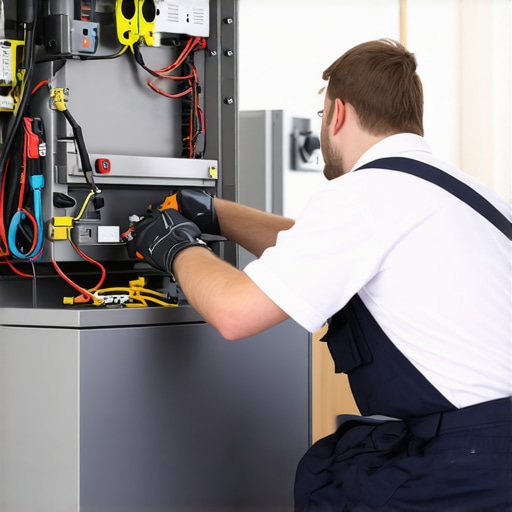
It was a freezing Saturday night when I first truly understood the importance of a reliable heating system. The heater that had been humming along quietly just hours earlier suddenly blew out cold air and then silence. I was left shivering in my own home, realizing that I’d ignored the early signs of trouble for too long. That moment was a real eye-opener and sparked a determination in me to learn everything I could about HVAC repair and furnace service.
Rebuilding Trust in Your Heating System Starts Here
The truth is, many homeowners rely heavily on their heating systems without knowing when they’re actually on the brink of failure. Early warnings are often subtle—strange noises, uneven heating, or an unexplained spike in energy bills. I found that neglecting these signs only leads to more costly repairs and discomfort when you need your furnace the most. Today, I promise to share practical insights to help you diagnose issues early, choose trustworthy service providers, and ensure your home stays warm and cozy all winter long.
Is Falling for Heating Myths Really Worth It?
Early in my journey, I made a costly mistake by believing some common HVAC myths, like assuming a noisy furnace is just normal or that ignoring a slight increase in heating costs won’t matter. I later discovered that these misconceptions can lead to severe system breakdowns. According to experts, about 85% of furnace repairs could be avoided with proper maintenance and timely troubleshooting (source: https://heatprosservices.com/furnace-repair-myths-debunked-by-industry-experts). Knowing the facts saves you money and prevents unnecessary suffering during the coldest months. Are you guilty of any misleading beliefs about your heating system? If so, you’re not alone. But the good news is, understanding the truth is the first step toward building trust in your home’s comfort strategies.
Getting ahead of potential failures doesn’t have to be complicated. With the right knowledge and a proactive mindset, you can keep your system running smoothly. Up next, I’ll guide you through the most effective ways to spot early warning signs and ensure your furnace lasts for many winters to come.
Inspect and Diagnose Before Calling a Technician
Start by systematically checking your heating system for obvious issues. Listen for unusual noises, look for uneven heating, and examine the thermostat settings. One cold night, I noticed my furnace cycling excessively; instead of immediately calling a repair service, I toggled the thermostat, cleaned a clogged filter, and observed its behavior. This quick check saved me a costly visit and helped me understand the system better.
Identify Early Signs of Trouble
Pay attention to strange smells, increased energy bills, or inconsistent airflow. Think of your furnace like a car engine: subtle vibrations or noises can signal impending failure. Regularly inspecting filters, vents, and the pilot light can preempt major breakdowns. For instance, I once found a buildup of dust in my filter, which when replaced, improved airflow and reduced energy use.
Learn Proper Maintenance Techniques
Scheduled maintenance is key to longevity. Replace filters every 1-3 months, depending on usage, and keep vents clear of obstructions. When I studied my unit’s manual, I discovered how dirty filters strain the system, causing it to work harder and wear out faster. Using a high-quality filter and cleaning components home maintenance hacks can extend your system’s life significantly. For detailed strategies, visit this guide.
Clean or Replace Air Filters Regularly
Clogged filters reduce airflow and force the furnace to overheat, risking damage. Think of filters like your home’s lungs: clean filters breathe easy, dirty ones choke the system. I set reminders to check filters monthly, replacing them when dusty. This small step results in energy savings and a more comfortable home.
Choose the Right Tools and Parts
Having basic tools like screwdrivers, a multimeter, and replacement parts can expedite repairs. When my thermostat stopped responding, I used a multimeter to test voltage and identified a faulty wiring connection. Keep spare filters, belts, and fuses on hand—saving time and ensuring quick fixes. Remember, always turn off power before working on your system to prevent accidents. For sourcing quality parts, check this resource.
Use Visual Aids to Confirm Issues
Photograph components before disassembly to aid reassembly and help diagnose issues. For example, I snapped a picture of my blower assembly before cleaning it, ensuring I reconnected everything correctly. Visual documentation simplifies troubleshooting and prevents errors during repairs.
Decide When to Seek Professional Help
Not every problem is DIY-friendly. If you encounter refrigerant leaks, complex wiring, or boiler issues, it’s safer to call experts. Using this guide, I learned to distinguish minor issues from urgent repairs. My experience with a clogged heat exchanger taught me the importance of trusting trained technicians for safety and long-term reliability.
Assess Urgency and Safety Risks
If you notice gas smells, persistent error codes, or system outages, shut down the system immediately and contact professionals. Remember, trying to fix gas lines or electrical components without proper knowledge can be dangerous. Prioritize safety over convenience; a quick call to trusted experts ensures peace of mind.
Many homeowners operate under misconceptions about heating service and HVAC repair, often assuming that quick fixes or superficial troubleshooting will suffice. However, even seasoned DIY enthusiasts can fall prey to subtle pitfalls that undermine system longevity and efficiency. One common myth is that replacing filters once is enough; in reality, regular assessment and proactive maintenance prevent minor issues from escalating, ensuring consistent comfort and avoiding costly breakdowns. Additionally, there’s a misconception that professional help is only necessary during emergencies, but scheduled inspections and tune-ups—like those discussed in this guide—are vital for optimal performance.
Why Do Many Overlook the Complexity of Modern HVAC Systems?
In my experience, many believe that HVAC systems are simple appliances, but advancements in technology have transformed them into intricate, computer-controlled units. The myth that a standard repair kit suffices can lead to incomplete fixes, resulting in recurring problems. Understanding the advanced nuances, such as variable refrigerant flow or smart thermostat integrations, requires specialized knowledge. Experts emphasize that ignoring these complexities can cause misdiagnosis, leading homeowners to spend more in the long run. For instance, neglecting to calibrate a smart thermostat properly might cause energy waste, as highlighted in recent studies on smart home automation.
Have you ever fallen into this trap? Let me know in the comments. Recognizing these hidden nuances helps avoid common pitfalls, but only through informed action can you truly optimize your home’s climate control. Remember, trusting professional advice and continuous learning—like exploring secrets from HVAC pros—are key to staying ahead. By understanding the sophisticated underpinnings of your system, you can make smarter decisions, ensure long-term reliability, and keep your home comfortable no matter the season.Keeping your heating, ventilation, and air conditioning (HVAC) system functioning smoothly over the years requires more than just routine checks; it demands investing in precise tools and adopting proven maintenance techniques. One of my go-to tools is a high-quality digital multimeter. I personally prefer the Fluke 117, as it provides accurate voltage readings crucial for diagnosing wiring issues or faulty components without risking electrical shocks. Additionally, a refrigerant leak detector such as the Inficon DTech is invaluable for pinpointing refrigerant losses early, preventing costly compressor damage. When I started using a digital amp clamp meter, it transformed my ability to measure electrical loads on motors and fans, giving me insight into system stress points that often precede failures. For software management, I recommend HVAC-specific apps like ServiceTitan, which streamline scheduling, record-keeping, and diagnostics, especially useful for troubleshooting persistent issues efficiently. In my experience, maintaining detailed logs of repairs and performance metrics not only extends system lifespan but also simplifies future troubleshooting. Predicting where HVAC technology is heading, I believe integrating IoT devices with machine learning will revolutionize maintenance by providing predictive alerts before issues become critical, allowing preemptive repairs that save homeowners from discomfort and expenses.
How do I maintain HVAC systems over time to prevent breakdowns?
Implementing rigorous maintenance routines, such as scheduling bi-annual professional inspections combined with DIY checks using tools like a multimeter and leak detector, can dramatically improve system longevity. Regular cleaning of filters, ducts, and coils remains essential, but leveraging advanced tools enables early detection of electrical or refrigerant issues. For example, monitoring the electrical load on your compressor with a clamp meter can reveal overloads that signal impending failure—a proactive step that can save hundreds in repairs. When integrated with smart diagnostic apps, these measurements become part of an automated system that alerts you when anomalies arise, facilitating timely intervention. To optimize your maintenance approach, consider consulting expert resources like this guide for techniques tailored to modern HVAC systems.
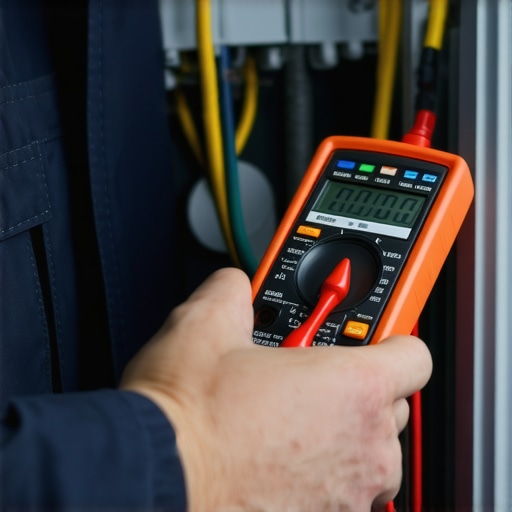
Using precise tools and data-driven maintenance strategies equips homeowners to extend the lifespan of their HVAC units significantly. As technology progresses, I predict a future where remote sensors and AI-powered diagnostics will make HVAC upkeep even more accessible and reliable. To start, try incorporating a refrigerant leak detector into your routine—early detection can prevent catastrophic failures and ensure your home stays comfortable year-round. For comprehensive repair tactics and advanced troubleshooting, explore resources like this resource and start building your DIY toolkit today.
What I Wish I Knew When I Started Maintaining My Heating System
One eye-opening lesson was realizing how small signs like a slightly louder blower or uneven heat distribution were early warnings I often ignored. Addressing these signs early could have saved me money and frustration. Additionally, I underestimated the importance of proper maintenance routines; regular filter changes and system checks are less laborious than waiting for a complete breakdown.
The Hidden Power of Educating Yourself on HVAC Nuances
Discovering that modern HVAC systems are more complex than I thought changed everything. Learning about smart thermostats and variable speed motors helped me make smarter decisions and communicate more effectively with technicians. It’s a reminder that continuous learning can turn a repair experience into an opportunity for growth and savings.
Why Trusting the Right Professionals Makes All the Difference
Initially, I tried DIY fixes that only worsened the problem. Over time, I realized that partnering with trusted experts—like those who share insights in this resource—not only ensures safety but also extends your system’s lifespan. It’s a lesson in knowing when to step back and call in the pros, especially for complex issues involving refrigerants or electrical wiring.
Curated Resources That Changed My Perspective on HVAC Maintenance
- High-Quality Diagnostic Tools: Investing in a digital multimeter and refrigerant leak detector transformed my troubleshooting capabilities, saving me from costly repairs.
- Educational Guides: The HVAC articles at this site provided me with practical maintenance tips that I could perform myself, boosting efficiency and confidence.
- Expert Advice Websites: Regularly consulting trusted sources helped me stay ahead of system issues and understand new technologies that make HVAC systems smarter and more reliable.
Take Action and Keep Your Home Comfort-Ready
The most valuable lesson I learned is that proactive care and ongoing education are the best defense against unexpected heating failures. Whether it’s scheduling preventive maintenance or investing in smarter tools, your efforts pay off in comfort and peace of mind. Don’t wait for a freezing night or an emergency—start taking small steps today to master your home’s climate control. How are you planning to upgrade your HVAC care routine? Share your thoughts below and let’s grow together in this journey toward a cozier home.