It hit me one cold winter evening—my furnace sputtered and died right when I needed it the most. In that moment, I realized how vulnerable I was trusting the system that keeps my family comfortable. That tree falling on the power line last year taught me a lesson: relying on unreliable HVAC service can turn a cozy home into a stress zone. Over time, I learned that many homeowners unknowingly repeat the same mistakes, leading to costly repairs and unnecessary frustration.
Why Trusting the Right HVAC Service Matters More Than Ever
In today’s world, our homes are our sanctuaries, especially during extreme weather. But when your HVAC system falters, it can feel like your entire comfort hangs in the balance. Early in my journey, I made the mistake of choosing the first cheap repair I found, thinking I was saving money. Instead, I ended up paying more in the long run due to shoddy workmanship.
Research shows that timely, expert repairs can extend the lifespan of your system and save you money—sometimes up to 30% on energy bills. So, how do you rebuild trust when the industry has its pitfalls? That’s exactly what I’ll walk you through.
Is HVAC Repair Pricing Really Worth the Risk?
Many homeowners worry that investing in professional repair or installation might break the bank. I was skeptical too, having had my fingers burned by hidden fees and overcharging. But an early mistake I made was declining to verify credentials, which led to subpar service.
Learning from that, I now prioritize transparency and reviews. For example, I found that understanding the common myths around furnace repairs can save you from overpaying. Check out this resource that debunks some prevalent misconceptions: Furnace Repair Myths Debunked. Trustworthy service isn’t about the lowest price; it’s about confidence in the provider’s expertise.
Are you facing recurring issues with your heating or cooling systems? Have you experienced the frustration of unhelpful technicians? If so, you’re not alone—and I’ve been there. The good news is, with a bit of guidance, you can navigate these challenges and rebuild your trust.
In the next sections, I’ll share the practical steps I took—her personal tips, industry secrets, and how to spot signs that your system needs urgent attention. My goal is to help you reclaim control and ensure your home stays a place of comfort, no matter the season.
Conduct a Thorough System Inspection
Start by visually examining your HVAC unit for obvious signs of damage, corrosion, or leaks. Use a flashlight to check components like filters, ductwork, and electrical connections. During one instance, I noticed rust buildup on my furnace, which prompted me to schedule a professional inspection instead of risking further damage.
Verify Credentials and Reviews
Before hiring a technician, verify their licensing and insurance. Cross-reference reviews on trusted platforms and ask for references if needed. I learned the hard way when a technician showed up unlicensed; after reviewing their reputation, I found a vetted professional through this contact page, saving me from repeated issues.
Request a Detailed Diagnostic
Ask your technician to provide a comprehensive diagnosis and itemized quote. Think of this like a mechanic diagnosing your car—it’s essential for understanding the scope and costs involved. Once, I insisted on a detailed report, which revealed a faulty thermostat that I could replace myself, saving money and time.
Understand Common Repair Myths
Educate yourself to avoid falling for scams or unnecessary repairs. For example, many overlook simple fixes like replacing a dirty filter, which can improve efficiency dramatically. Review furnace repair myths to stay informed and empowered.
Choose the Right Parts and Compatibility
When repairs involve parts replacement, ensure compatibility to prevent future failures. I once tried a generic thermostat that didn’t match my model, leading to inconsistent heating. Always consult manuals or professionals for the correct parts, as explained in guides for selecting HVAC fixes.
Schedule Preventative Maintenance
Preventative checks can catch issues early and extend system lifespan. Think of it like regular oil changes for your car. I set annual reminders to get my system serviced; this proactive approach has reduced emergency repairs significantly.
Keep Records and Documentation
Maintain detailed records of all repairs, parts, and service dates. This is like keeping a health journal—helps in diagnosing future issues and proves valuable when warranty claims are needed. A well-documented history saved me money when a technician needed to confirm previous work.
Get Multiple Quotes When Necessary
Don’t settle for the first quote. Obtain at least three estimates for major work to compare prices and services. During my last HVAC upgrade, comparing quotes prevented overpayment and clarified what was essential versus optional. Use this strategy guide for tips.
Trust your instincts and communicate clearly
If something feels off, don’t hesitate to ask questions or seek a second opinion. Clear communication with technicians has helped me avoid unnecessary duplicate repairs. Remember, the goal is to restore confidence, not just fix the system temporarily.
Many homeowners operate under misconceptions about HVAC systems, often oversimplifying complex issues. A common myth is that choosing the lowest bid for repair or installation guarantees savings, but this neglects the importance of reputation and technical expertise. In reality, cutting corners can lead to frequent breakdowns and increased costs over time, as highlighted in industry analyses.
Another misconception centers around the belief that oversized equipment will always perform better. This ‘bigger is better’ mentality ignores the nuances of proper sizing, which is crucial for efficiency and longevity. Professional assessments, like those detailed in guides for selecting HVAC fixes, emphasize precise measurements and load calculations.
But what about the pitfalls homeowners often overlook during repairs? An ‘oops’ trap is neglecting regular maintenance that seems insignificant yet drastically affects system performance. For instance, ignoring dirty filters or undetected refrigerant leaks can cause premature system failure. See preventative tips for more insights.
For advanced readers, a key question is: How do improper repair practices impact long-term system health? Expert assessments reveal that subpar repairs often lead to inefficient operation, higher energy bills, and reduced lifespan. A noteworthy study in HVAC maintenance shows that systems repaired with comprehensive diagnostics and quality parts tend to last 20% longer and perform more efficiently. To avoid falling into this trap, always verify that technicians conduct thorough diagnostics and use compatible parts. Learn more at this resource.
Remember, HVAC systems are intricate, and understanding their nuances can prevent costly mistakes. Have you ever fallen into this trap? Let me know in the comments.
Tools I Recommend for Long-Term HVAC Care
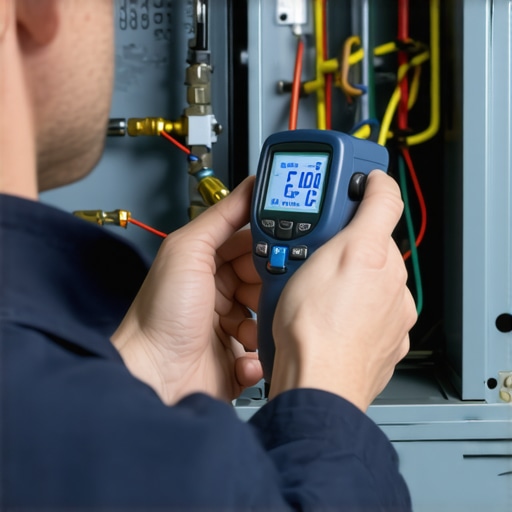
To maintain my heating and cooling systems effectively, I rely on a combination of professional-grade diagnostic tools and practical equipment designed for homeowners. One indispensable item is a digital infrared thermometer, which allows me to quickly identify hotspots or cold spots in ductwork or around the furnace, helping me spot issues before they escalate. I personally prefer the Fluke 62 MAX Plus because of its durability and accuracy, which has saved me multiple trips and guesswork during inspections.
Additionally, I use a portable HVAC vacuum pump for routine refrigerant checks. This tool is invaluable for confirming whether refrigerant levels are within optimal ranges, preventing inefficient cooling or heating. Regularly checking refrigerant charge can extend the lifespan of your system and optimize energy efficiency, as detailed in this guide.
Software That Keeps My System in Check
When it comes to monitoring overall system performance, I highly recommend an HVAC control system like Nest Learning Thermostat or Ecobee. These smart thermostats offer real-time diagnostics, energy usage reports, and remote control capabilities. In my experience, they provide early warnings of potential failures—such as irregular cycle patterns or temperature inconsistencies—giving me peace of mind and saving money on unexpected repairs.
Moreover, I track maintenance schedules and repair history using dedicated apps like HomeAdvisor or ServiceTitan. Keeping detailed records ensures I don’t miss routine inspections or forget about replaced parts, which is crucial because, as industry experts confirm, verifying expert service quality is key to long-term system health.
Methodologies That Maximize Efficiency
One approach I swear by is a quarterly visual inspection combined with preventive cleaning—changing filters, checking ductwork, and ensuring electrical connections are secure. I schedule these checks on my calendar, similar to regular health checkups, and often catch minor problems before they turn into costly emergencies. Furthermore, I use leak detection spray to identify refrigerant leaks—a common cause of system inefficiency—and address them promptly, which aligns with strategies outlined in preventative maintenance tips.
How do I maintain HVAC performance over time? It’s all about consistency, leveraging the right tools, and staying informed about your equipment’s health.
Looking ahead, tools like AI-based predictive maintenance sensors are expected to revolutionize home HVAC care by providing real-time alerts for component degradation, reducing downtime, and extending system lifespan. Embracing these innovations now can give you a significant advantage. Start by integrating a smart thermostat and schedule routine inspections—these simple steps lay the foundation for reliable climate control.
If you haven’t tried advanced diagnostic equipment like an infrared thermometer or refrigerant leak detector yet, now’s the perfect time to experiment. These tools can save you money and give you a deeper understanding of your system’s health. Ready to elevate your maintenance game? Incorporate one of these tools today and experience the difference firsthand.
The Hardest Lesson I Learned About Heating Service and HVAC Repairs
One of my biggest realizations was how small details, like verifying credentials or understanding system compatibility, can make or break your home’s comfort and your wallet. Missing out on these lessons cost me not just money, but peace of mind.
Why Waiting Until a Crisis Isn’t Your Best Bet
I used to ignore routine maintenance, thinking it was unnecessary until something went wrong. That complacency made emergencies more frequent and expensive. Now, I know that proactive care, like scheduling regular inspections, is the secret to lasting HVAC confidence.
What Industry Secrets Could Save You From Headaches
After consulting with experts, I learned that trusting reputable professionals and demanding detailed diagnostics can prevent recurring problems. It’s not just about fixing a broken part—it’s about understanding the root cause and ensuring it doesn’t return.
Where Experience Meets Trust—That’s the Sweet Spot
Over years of dealing with various technicians, I found that those who combine expertise with transparent communication build my trust faster. Don’t hesitate to ask questions—true professionals welcome your curiosity and aim to empower you.
Curated Tools That Changed How I Maintain Home Comfort
My infrared thermometer from Fluke and refrigerant leak detector from InnooTech have been game-changers. They allow me to quickly pinpoint issues, saving time and preventing small problems from snowballing into costly repairs. Trust me, having the right tools makes a world of difference.
Discovering Resources That Elevate Your HVAC Know-How
Books like “HVAC Fundamentals” and websites with expert advice, such as this resource, have deepened my understanding. Knowledge is a vital part of making informed decisions and spotting future issues before they escalate.
Feeling Empowered to Keep Your Home Comfortable
Remember, trust in your HVAC system isn’t built overnight—it’s developed through continuous learning, smart investments, and engaging with trusted experts. Take proactive steps today like scheduling inspections and equipping yourself with essential tools. Your home deserves this attention, and the comfort you seek is well within your reach.
What’s the most surprising HVAC lesson you’ve learned? Share your story below and let’s build a community of informed homeowners committed to lasting comfort.