The Sound of Silence (and Why It’s Terrifying)
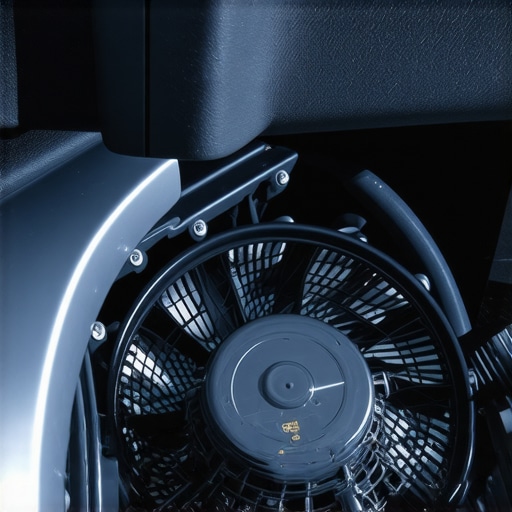
I’ve spent thirty years crawling through fiberglass-filled attics in the dead of winter and dragging my gauges across frozen rooftops during a polar vortex. If there is one thing I’ve learned, it’s that your HVAC system talks to you long before it dies. Most homeowners ignore the whispers until they’re facing a 24/7 heating emergency response call at 3 AM. The heart of your system isn’t the thermostat—it’s the blower motor. If that motor doesn’t move air, your furnace is just a very expensive, very dangerous metal box. My old mentor used to scream, ‘You can’t cool what you can’t touch!’ and he was right. If you don’t have airflow, the physics of heat exchange simply stop working. This isn’t magic; it’s thermodynamics, and the blower motor is the engine driving the whole show.
“The most expensive equipment in the world cannot overcome a bad duct system.” – Industry Axiom
The Forensic Diagnosis: Three Sounds That Mean Trouble
When I arrive at a job site where the customer says ‘it just stopped working,’ I don’t start by pulling the service panels. I listen. A seasoned tech can diagnose a failing motor before the ‘Sparky’ (electrician) even gets his meter out. If you hear these three sounds, stop what you’re doing and shut the system down at the breaker. You might save yourself from a $1,000 motor replacement and settle for a contactor repair or a simple capacitor swap instead.
1. The High-Pitched Screech (The Death Rattle of Bearings)
If your furnace sounds like a jet engine taking off or a banshee trapped in the basement, your bearings are shot. Most modern motors are ‘permanently lubricated,’ which is a fancy way of saying they are designed to fail once the factory grease dries out. In cold Northern climates, the constant expansion and contraction of metal parts during heavy heating cycles wears these tolerances down. When those bearings go, the friction creates immense heat. I’ve seen motors get so hot they’ve cooked the wire insulation right off the windings. If you catch this early, you might just be looking at a motor swap. If you wait, that heat can travel up the shaft and warp the blower wheel itself.
2. The Thumping or Vibrating (The ‘Out of Balance’ Nightmare)
Does your floor vibrate when the heat kicks on? That’s usually a sign that your ‘squirrel cage’ (the blower wheel) is either caked in five pounds of dust or has lost a balancing clip. In homes with crawl space heating solutions, moisture can cause debris to clump on the blades. Once that wheel is out of balance, it’s like a car tire missing a weight—it’ll shake the entire cabinet until the motor mounts snap. This is where a ‘Tin Knocker’ (duct guy) earns his keep, ensuring the vibration hasn’t torn your ‘Pookie’ (mastic) seals apart. Check your filter; if it’s black, you’re starving the motor of air, and it’s working double time to pull a vacuum.
3. The Low-Level Buzz or Humming (The Electrical Struggle)
This is the most common sound I hear right before a total failure. You hear a hummm, but the fan doesn’t spin. This is usually the start capacitor—a small silver cylinder that gives the motor the ‘juice’ it needs to break inertia and start spinning. If the capacitor is dead, the motor sits there, drawing locked-rotor amps and turning electricity into raw heat. If you leave it humming, you’ll burn the windings in twenty minutes. This is why identifying when furnace repair is urgent is critical. A $40 capacitor is a cheap fix; a burnt-out motor is not.
Thermodynamic Zooming: Why Airflow is King
In a Northern climate like Chicago or the Northeast, the blower motor does more than move air—it protects the heat exchanger. When you’re running a high-efficiency furnace or even biomass boiler services, that heat exchanger gets incredibly hot. The blower motor’s job is to strip that heat away and move it into your living room. If the blower slows down because it’s failing, the heat exchanger temperature skyrockets. This causes the metal to fatigue, eventually leading to cracks. Once a heat exchanger cracks, you’ve got carbon monoxide leaking into your home. It’s not just a comfort issue; it’s a life-safety issue. This is why proper thermostat installation and remote thermostat access are so popular now—they can actually alert you if the system is ‘short cycling’ because the high-limit switch is tripping due to low airflow.
“Proper air distribution is essential for the health of the heat exchanger and the safety of the occupants.” – ASHRAE Standard 62.1
The Physics of the North: Polar Vortex vs. Your Blower
When the temperature drops below zero, your HVAC system isn’t just a luxury; it’s survival gear. In these regions, we see a lot of ‘static pressure’ issues. If your ductwork was sized by a guy who didn’t know his head from a hole in the ground, your motor is pushing against a brick wall of air. This is especially true with the new high-static MERV filters everyone is buying. They might clean the air, but they kill the motor. I always tell my customers: if you want a cleaner house, buy a standalone air purifier. Don’t kill your furnace by making it breathe through a sweater. If you’re considering financing for heat pump installs, remember that heat pumps require even more airflow than gas furnaces to feel ‘warm’ to the human skin. A failing blower on a heat pump will leave you freezing and your outdoor unit turned into a block of ice.
Repair vs. Replace: Don’t Get Scammed
I despise ‘Sales Techs.’ You know the type—they show up in a clean uniform, spend five minutes at your unit, and tell you that you need a $15,000 AC installation because your motor is ‘getting old.’ Listen, a blower motor is a component, not a death sentence. If your system is under 12 years old and the heat exchanger is intact, replace the motor. However, if you’re looking at an electric heater services bill that keeps climbing, or if your hot water heater repair needs are merging with furnace failures, it might be time to look at the new 2025 regulations. With the transition to A2L refrigerants like R-454B, the old R-410A systems are becoming ‘legacy’ equipment. Buying a high-efficiency unit now might save you a fortune in ‘juice’ (refrigerant) costs down the road. For more on this, check out our ultimate guide to installation.