The Physics of Fire in a Sealed Box
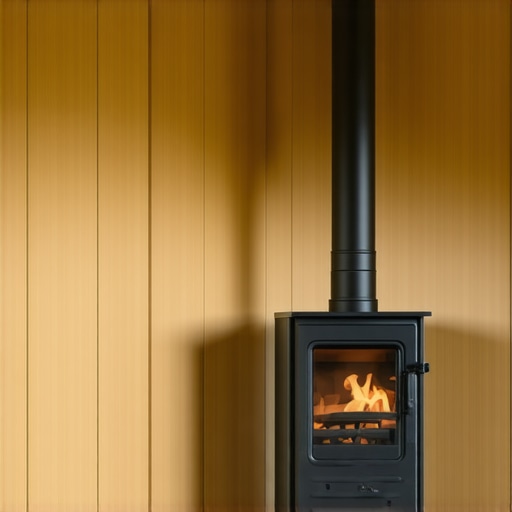
My old mentor used to scream, ‘You can’t burn what you can’t breathe!’ This is why airflow matters more than horsepower. He wasn’t talking about a high-static duct system back then; he was talking about the oxygen-starved environment of a manufactured home. When you install a wood stove in a mobile home, you aren’t just putting a fire in a room; you are modifying a delicately balanced pressure vessel. Unlike a drafty 1920s bungalow, a mobile home is built to strict HUD standards that prioritize a tight thermal envelope. If you don’t respect the physics of combustion air, the stove will fight the house for oxygen, and the house will win by pulling smoke back down the chimney—a phenomenon we call ‘backdrafting.’ This isn’t just about comfort; it’s about avoiding a CO emergency that turns a cozy night into a disaster.
“All fuel-burning appliances in manufactured homes, except ranges and ovens, shall be vented to the outside of the home.” – HUD Standard 3280.707
In my 30 years as a tech, I’ve seen ‘DIY’ jobs where a ‘tin knocker’ friend just cut a hole in the roof and called it a day. That is a recipe for a burnout—not the mechanical kind, but the house-level kind. Mobile home wood burning stove installation requires a HUD-certified stove. Why? Because these units are designed to draw 100% of their combustion air from a dedicated outside air intake. We don’t use the ‘gas’ or ‘juice’ of a refrigerant cycle here, but the principle of pressure differentials is the same. If your kitchen exhaust fan is on, it creates a negative pressure that can pull toxic fumes right out of a non-certified stove. This is why we treat these installs with the same technical rigor as identifying when furnace repair is urgent.
The Mechanical Anatomy of a Safe Installation
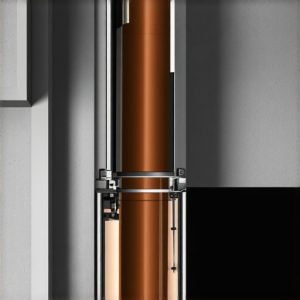
When I’m looking at a wall furnace installation or a wood stove setup, I look at the floor first. A mobile home floor isn’t just plywood; it’s a system. You need a non-combustible floor protector that extends at least 18 inches in front of the door. But the real magic happens in the attic space. You need a chimney system that is double-walled and rated for mobile home use. This is where ultimate guide to ac installation expert tips translate to heating: clearance to combustibles is king. I’ve seen R-values in attic insulation for heating melt because someone used a standard single-wall pipe through a ceiling joist. You need a ceiling support box that maintains a 2-inch clearance to those wood trusses.
“Chimneys shall be designed and constructed so as to provide a draft sufficient to remove all products of combustion safely to the outdoors.” – NFPA 211
If you’re in a cold climate, you might be looking at cold climate heat pumps as a primary source, but using wood as a secondary heat source is smart—if done right. In those northern zones, the ‘Polar Vortex’ can freeze a heat pump’s defrost cycle if it’s not a high-spec unit. Having that wood stove as a backup is great, but it has to be tied into the house’s airflow. I often recommend a dual fuel heat pump system logic where the wood stove handles the sensible heat load while the electric system provides the distribution via the fan. But remember: never, ever connect a wood stove flue to your existing HVAC ductwork. That’s a ‘Sparky’ move that ends in a 911 call.
Diagnostics and the Reality of Mobile Home Heating
Whether it’s furnace repair myths debunked or wood stove safety, the diagnostics remain the same. If you smell a sour, acidic odor, it’s not a compressor burnout here—it’s creosote. Creosote buildup in a mobile home chimney is a ticking time bomb. Because these chimneys are often shorter than residential ones, they don’t always get the same ‘stack effect’ (the draft created by the temperature difference between the bottom and top of the pipe). To fix this, you need to ensure your chimney extends at least 3 feet above the roof and 2 feet higher than any part of the roof within 10 feet. It’s pure physics, not magic. If you are struggling with a unit that won’t stay lit, you might be looking at a clogged fresh air intake. I’ve found bird nests, ‘pookie’ (mastic) leftovers, and even insulation blocking these intakes.
For those dealing with baseboard heater repair or boiler repair services in a warehouse heating solution, the scale changes, but the thermodynamics don’t. In a mobile home, the heat density of a wood stove is massive. You can easily hit 80,000 BTUs in a space meant for 40,000. This leads to short-cycling of your comfort—you’re sweating one minute and freezing the next. This is why we preach about thermal mass and air distribution. Use your furnace fan (if it has a ‘circulate’ mode) to move that warm air into the back bedrooms where the hot water heater repair guy is working. It prevents stagnant air and cold spots. Don’t be the person who buys a $15,000 new system because they couldn’t figure out a $50 airflow issue. Get your control board diagnostics checked, ensure your refrigerant leak detection is up to date on your AC, but when it comes to the wood stove, trust the ‘suction line’ of the chimney draft more than any fancy gadget.