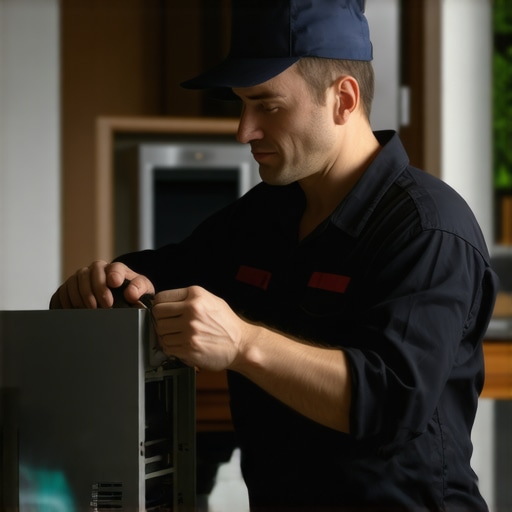
It was one of those freezing nights when I realized my furnace had quit without a warning. The house was rapidly turning into an icebox, and I found myself helpless, wondering why I hadn’t handled this sooner. That moment was a real eye-opener for me—trusting a service provider without doing my homework was a mistake I won’t repeat.
Why Reliable Furnace Repair Matters in Your Home
Having a warm, comfortable home during the cold months isn’t just about luxury; it’s essential for health and peace of mind. When your furnace suddenly dies, it leaves you scrambling, often facing costly last-minute repairs or replacements. From personal experience, I learned the hard way that intervention must be timely and trustworthy. Regular maintenance and choosing the right professionals can make a huge difference.
Is Replacing Your Furnace Worth the Risk?
I used to think a quick fix was enough—until I realized that rushing into repairs often led to more problems down the road. Early on, I made the mistake of trusting a less-than-experienced technician, which resulted in recurring issues and higher costs. Since then, I discovered that investing in expert service not only restores warmth but also rebuilds confidence in the system. If you’re hesitant about how to select a reliable repair service, check out this guide on choosing the right HVAC fixes.
Are you currently facing a sudden heating issue or worried about future breakdowns? You’re not alone. Many homeowners share similar frustrations, but the key to peace of mind lies in understanding your options and trusting the right experts. Next, we’ll explore actionable steps to ensure your furnace stays in top shape and your home remains cozy all winter long.
Schedule Regular Preventative Checks
Think of your furnace like a car; it needs regular oil changes and tune-ups to run smoothly. I recall a winter when I neglected my HVAC system, and a simple annual check could have prevented a major breakdown. To avoid surprise failures, set a routine for professional inspections at least once a year. This proactive approach catches minor issues before they escalate. For tips on boosting your system’s efficiency year-round, visit these preventative repair tips.
Learn the Art of Basic Troubleshooting
When my furnace started making strange noises, I didn’t immediately call a technician. Instead, I learned to check simple things first—like thermostat settings, air filters, and circuit breakers. It’s like inspecting a clogged filter or a tripped switch—often, these minor issues are the culprit. Always turn off the system before inspecting, and keep handy your system’s manual for quick reference. Remember, if basic troubleshooting doesn’t resolve the issue, consulting a professional is essential. For more guidance, read this guide on urgent repairs.
Keep Your Air Filters Clean and Replaced
I found that neglecting air filters severely diminished my system’s performance, causing it to work harder and waste energy. Swapping filters is like changing the oil in your car; it’s simple but impactful. Make a habit of inspecting filters monthly, especially during winter when the system runs constantly. A clean filter improves airflow, reduces strain, and extends your furnace’s lifespan. Need help selecting the right filter? See expert advice on choosing HVAC replacements.
Maintain Adequate Ventilation and Clearance
I learned this the hard way when debris accumulated around my outdoor unit, reducing efficiency. Imagine your furnace as a person needing room to breathe; without proper airflow, it can’t function optimally. Keep the area around the unit clear of leaves, snow, and debris—at least two feet of clearance is recommended. Also, ensure vents inside your home are unobstructed. Think of it as giving your system space to breathe, preventing overheating and improving efficiency. For advanced tips, visit these heating hacks.
Implement Zone Control when Possible
Initially, I found zone control too complicated, but once I installed it, my home’s comfort improved—and my energy bills dropped. Zone control allows you to heat only occupied rooms, akin to having a personalized thermostat for each zone. This requires some investment and professional installation but offers precise temperature management. Think of it as giving each room a customized climate, avoiding wasteful heating. Professionals can guide you through options, as discussed in this comprehensive guide.
Stay on Top of Filter and Vent Replacements
My experience with neglected filters led to a system that struggled to produce heat efficiently, cranking up my utility bills. A simple, quarterly replacement can prevent this. Keep a reminder on your phone or a calendar to check and replace filters and vents, especially before peak winter months. Think of it as maintaining your wellness routine—small actions prevent big problems later. For detailed advice, check these repair blueprints.
Work with Trusted Heating Professionals
When in doubt, don’t hesitate to call a reputable technician. I remember trying to fix my system myself, only to make things worse. A professional’s expertise is like a master chef’s skills—they diagnose quickly, fix efficiently, and help extend your system’s lifespan. When selecting a contractor, look for certifications and references. For assistance in choosing qualified specialists, visit guides for choosing the right fixes.
Many homeowners operate under the misconception that hiring the cheapest or most advertised service provider guarantees quality. The truth is, **price and hype often mask behind-the-scenes issues**, especially when it comes to heating and cooling systems. A common myth is that all HVAC technicians are equally skilled—however, *expertise nuances* can significantly impact the outcome of repairs or installations. For instance, some may overlook critical system diagnostics, leading to recurring problems and higher costs in the long run.
**Beware of the trap of immediate fixes**. Rushing into repairs without proper assessment might seem convenient but often results in more extensive damage later. For example, bypassing thorough system inspections can miss foundational issues, which, if unaddressed, compound over time. This is why proactive maintenance, performed by trusted professionals, is essential for system longevity. To learn more about optimizing your HVAC system, check out preventative repair tips.
Is DIY Always Risk-Free, or Can It Backfire?
Many homeowners feel confident attempting minor repairs themselves, thinking it saves money. Yet, **mistakes during DIY repairs can lead to safety hazards or further system damage**. Incorrectly handling refrigerant, wiring, or airflow components without proper training risks voiding warranties or causing expensive failures. An industry study highlights that improper DIY fixes often lead to increased repair costs—sometimes doubling the original expense—since professional intervention becomes unavoidable. Always consider consulting experts, especially for complex issues, to avoid these costly pitfalls. For guidance on choosing skilled professionals, see expert selection tips.
**Advanced Insight:** HVAC systems are becoming increasingly sophisticated, integrating smart controls and variable refrigerant flow technology. Failing to recognize these nuances can lead to misdiagnosis or inefficient repairs. For example, a system might appear operational but is underperforming due to control module errors—something basic troubleshooting won’t catch. A professional, knowledgeable technician employs advanced diagnostic tools to identify such hidden issues. For an in-depth understanding of these modern complexities, consider exploring latest HVAC innovations.
Homeowners often overlook the importance of system-specific service approaches. Generalized methods may not address manufacturer-specific features, leading to subpar results. For example, high-efficiency furnaces with modulating burners require precise calibration, which only experienced technicians can provide. This specialization is why working with specialists familiar with your system model ensures optimal performance. Always ask your service provider about their certifications and experience with your specific equipment.
In summary, the key to effective HVAC care is recognizing that surface-level fixes and assumptions rarely suffice. Take the time to understand system nuances, avoid quick fixes, and partner with qualified professionals. Doing so not only extends your equipment’s lifespan but also guarantees safety and efficiency. Have you ever fallen into this trap? Let me know in the comments and share your experiences. For more comprehensive insights, visit top strategies to extend your system’s life.Maintaining optimal performance of your heating, ventilation, and air conditioning (HVAC) systems requires more than just routine check-ups. Over the years, I’ve discovered that leveraging specific tools and methods has significantly extended the lifespan of my equipment and improved efficiency. One of my go-to investments is a reliable digital manifold gauge set, like the **Fieldpiece SMAN360**, which allows me to perform detailed pressure diagnostics without relying solely on technician visits. Its accurate readings help identify refrigerant issues early, preventing costly repairs down the line. Additionally, I rely on a **smart thermostat** such as the **Nest Learning Thermostat**. It not only adjusts temperatures based on my schedule but also provides energy reports, which I use to fine-tune my system’s operation over time. These tools offer a transparent look into system health, enabling proactive maintenance. Looking ahead, I believe the integration of AI-driven diagnostics will become standard, empowering homeowners further to manage system performance remotely and preempt breakdowns. For ongoing maintenance, I strongly recommend scheduling preventative checks based on insights gained from these devices. How do I maintain my HVAC over time? Regularly monitoring and interpreting data from my tools helps me catch potential issues early, saving money and avoiding discomfort. For example, periodically reviewing pressure readings alongside system performance logs allows me to decide whether to replace filters, recharge refrigerant, or call in professionals before a failure occurs. If you’re ready to elevate your maintenance game, consider adopting a comprehensive diagnostic approach like this. To ensure your system continues to serve efficiently, I suggest exploring **preventative HVAC repair tips**—they shine a light on proactive strategies that work in real-world scenarios. You can learn more about implementing these advanced troubleshooting techniques at [this resource](https://heatprosservices.com/preventative-hvac-repair-tips-for-year-round-efficiency). Remember, taking control with the right tools today can make all the difference tomorrow.
Lessons I Wish I Had Learned Sooner about Heating Systems
One of the most valuable insights I’ve gained is that proactive maintenance saves more than just money—it’s about ensuring peace of mind during the most challenging months. Waiting until your system fails is a costly mistake that no one should make after experiencing the cold nights of a sudden breakdown. Regularly scheduled checks by trusted professionals can catch small issues before they turn into major headaches, saving you stress and expenses. Additionally, I learned that understanding your system’s unique needs is vital—what works for one home might not suit another, and personalized advice from seasoned experts makes all the difference.
Another lightbulb moment was realizing that DIY fixes are tempting but often temporary. Attempting to troubleshoot complex HVAC problems without proper training can backfire, leading to safety risks or further damage. Investing in reliable tools like the preventative repair tips and working with certified technicians ensures long-term comfort. Moreover, I discovered that embracing new technology—a smart thermostat or diagnostic tools—can highlight issues early and optimize system performance, turning maintenance from a chore into an insightful routine.
Tools and Resources That Elevated My HVAC Game
From my personal toolkit, I swear by the comprehensive guide on AC installation that breaks down complex systems into understandable steps. It helped me select the right professionals for upgrades and repairs. I also rely on the heating service hacks to improve efficiency and extend system lifespan. For quick diagnostics, I use simple but effective tools like digital pressure gauges to monitor refrigerant levels and system health. These resources empower me to make informed decisions, reduce costs, and maintain comfort effortlessly. If you’re looking to upgrade your approach, exploring these resources can make a significant difference in your home’s climate control.
Your Next Step Towards Comfort and Confidence
Remember, maintaining your heating and cooling systems is a continuous journey that rewards you with comfort, savings, and peace of mind. Don’t wait for a crisis to take action—start small with regular checks, learn basic troubleshooting, and trust experienced professionals for more complex needs. The path to reliable HVAC performance is paved with proactive choices and trusted guidance. So, why not embrace the lessons learned and take charge of your home’s comfort today? Every step you take towards better understanding and maintenance is a step toward heating service mastery. Have you ever faced a system failure that taught you something valuable? Share your story and let’s learn together below.
http://Michael%20Anderson
Reading this post really resonated with me because I once faced an emergency when my furnace shut down unexpectedly during a brutal cold snap. The frustration of being caught off guard emphasizes how crucial it is to prioritize regular maintenance and to select a trustworthy service provider. I’ve learned that waiting until a breakdown occurs can be costly and stressful, so proactive checks are invaluable.
One thing I’ve started doing is scheduling annual HVAC inspections and regularly changing filters without delay. It’s amazing how such simple steps can extend the lifespan of the system and improve efficiency. Have others here found particular signals or routine checks that have helped them catch issues early? I’d love to hear what preventative measures you’ve found most effective in avoiding sudden heating failures.
http://Jessica%20Martin
This post really hits home for me, especially the part about not trusting the first technician that comes along. I’ve learned over the years that doing a bit of research beforehand can save a lot of headache and money later. Regular maintenance is so crucial—much like you mentioned, thinking of our HVAC systems as cars where routine tune-ups prevent major breakdowns. I’ve started scheduling annual inspections and changing filters more frequently, which has already made a noticeable difference in both performance and energy bills.
One challenge I’ve faced is knowing exactly when issues are brewing before they become obvious—sometimes strange noises or minor performance drops are the only indicators. Has anyone here experienced sneakier problems that weren’t immediately obvious? I’d love to hear how you caught potential problems early and what proactive steps you recommend to keep our systems running smoothly. This ongoing vigilance truly makes a difference in avoiding those cold nights when the furnace unexpectedly quits.