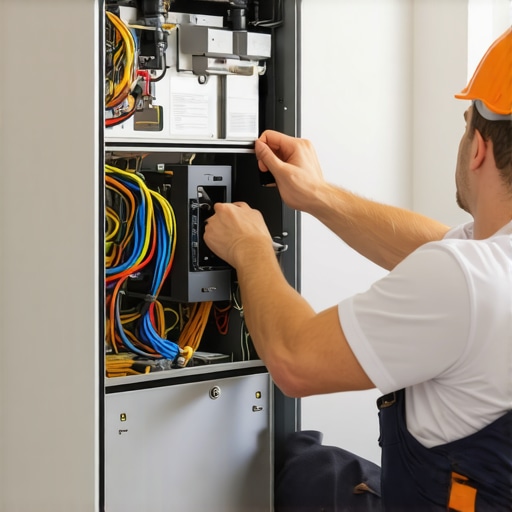
Imagine it’s a chilly winter evening, and you flip the thermostat up only to be met with silence or, worse, a cold blast instead of the warm embrace you’re expecting. That moment of panic is all too familiar for many homeowners. I remember the first time my furnace gave out during a cold snap—an experience that left me feeling helpless and frustrated. It was a lightbulb moment that taught me the importance of knowing reliable heating repair tips to restore confidence in my home’s warmth. Today, I want to share that journey and promise to help you navigate the often confusing world of HVAC repairs with practical, trustworthy advice.
Why Trusting the Right Heating Tips Matters More Than Ever
As we step into 2025, the importance of maintaining a reliable heating system can’t be overstated. With climate changes causing unpredictable weather patterns, a resilient and efficient furnace is your best defense against the cold. But here’s the catch: not all repair advice out there is created equal. I’ve seen DIY fixes that only made things worse, and rushed repairs that lead to more costly replacements down the line. That’s why I’m committed to sharing vetted, expert-backed strategies that truly work. According to industry reports, proper maintenance and timely repairs can extend a system’s lifespan by years, saving you money and preventing emergencies. Want to avoid being left in the cold? Keep reading.
Is DIY Repair a Good Idea or Just a Waste of Time?
Early in my journey, I made a crucial mistake: trying to fix my furnace myself after watching a few online videos. Sure, some tips seemed straightforward, but I overlooked the complexity of HVAC systems. The result? A temporary patch that failed when I needed heat the most, and a costly call to a professional later. That experience taught me that while small troubleshooting can be helpful, trusting the experts is often the smarter move. If you’re wondering whether DIY is worth the risk, I strongly recommend consulting reliable resources like this guide on choosing the right fixes to avoid costly mistakes.
Now, let’s dive into the core of what really restores confidence in your heating system—proven repair and maintenance strategies that keep your home warm and your wallet happy. Whether you need quick fixes or a comprehensive overhaul, I’ll walk you through the essentials so you’re never caught off guard again.
Check Thermostat Settings and Power Supply
My first real test with my heating system came when I noticed my thermostat wasn’t responding. I started by ensuring it was set to the desired temperature and switched on. Then, I checked the power supply—sometimes the simplest fix is just plugging it back in or replacing a dead battery. If your thermostat is wired, inspect the wiring for loose connections. This quick step can save you a call to a professional if it’s just a power glitch.
Inspect and Replace Air Filters
Next, I learned that a clogged air filter can cause your furnace to underperform or shut down. I pulled out the filter and examined it—if it’s dirty or covered in dust, it’s time for a replacement. Regularly changing filters ensures proper airflow and prevents unnecessary strain on your system, extending its lifespan. For detailed guidance, visit preventative HVAC repair tips.
Examine the Pilot Light or Electronic Ignition
If your furnace uses a pilot light, verify if it’s lit. A yellow or flickering pilot indicates a problem. In my experience, relighting the pilot following the manufacturer’s instructions restored warmth. For newer systems with electronic ignition, ensure the system is receiving power and try resetting it. If these steps don’t work, it’s time to consider professional help, which can be guided by identifying urgent furnace repair.
Clean and Inspect Vents and Registers
Blocked vents can cause uneven heating. I cleared debris from vents and ensured all registers were open and unobstructed. This simple check improves airflow and efficiency. Use a vacuum to remove dust and debris around vents for optimal performance.
Test the Blower Motor and Fan
During a cold snap, I noticed my furnace’s fan wasn’t running properly. I listened for the blower motor’s sound or checked if the fan was spinning. If it’s silent or sluggish, it might need lubrication or repair. Sometimes, resetting the system or replacing a blown fuse restores operation. For more detailed troubleshooting, see HVAC repair tips.
Listen for Unusual Noises and Smells
Any strange sounds or smells are warning signs. I learned to identify rattling or banging noises, which could indicate loose components. Unpleasant odors might point to cracked heat exchangers or other issues. If you encounter these, shut off the system immediately and contact a professional. More safety-focused advice can be found at HVAC repair blueprint.
Schedule Professional Maintenance
After my DIY checks, I scheduled a professional tune-up. Experts can check for leaks, inspect heat exchangers, and calibrate controls. Regular maintenance prevents emergencies and prolongs your system’s life. To find trusted technicians, visit reliable HVAC repair.
Many homeowners fall into traps of misconceptions that can lead to costly mistakes when it comes to AC installation and HVAC repair. One of the most pervasive myths is that DIY fixes are always sufficient. In reality, attempting complex repairs without proper training often worsens the problem, leading to more expensive repairs down the line. For instance, misdiagnosing issues with your furnace’s heat exchanger can be dangerous, and professional inspection is crucial. Experts emphasize that trusting licensed technicians ensures safety and long-term efficiency, as highlighted in this detailed guide.
What advanced homeowners often overlook about system sizing and energy efficiency?
A common mistake is oversizing or undersizing HVAC units, which can drastically impact energy bills and system lifespan. Oversized units cycle on and off frequently, causing wear and tear, while undersized ones struggle to heat or cool effectively. Proper load calculations, including considerations of insulation and local climate, are essential for optimal performance. Industry studies show that precise sizing can reduce energy consumption by up to 30%, as discussed in this resource.
Why do so many repair efforts fail to deliver lasting results?
Often, homeowners focus on quick fixes like replacing filters or resetting thermostats, but neglect the importance of preventive maintenance. Regular inspections, cleaning of ducts, and calibrating thermostats are critical to avoid recurring issues. Skipping these steps may seem minor but can cause significant wear over time. The real secret is adopting a proactive approach, which professional services can help implement effectively, as recommended in this guide.
Remember, understanding these nuances and myths can save you thousands and ensure your home stays comfortable year-round. Have you ever fallen into this trap? Let me know in the comments.
How do I keep my HVAC system working efficiently over time?
Maintaining your heating, ventilation, and air conditioning (HVAC) system is crucial to ensuring it operates at peak performance year-round. Over the years, I’ve found that investing in the right tools and following a regular maintenance routine can significantly extend the lifespan of your system and prevent costly repairs. One of my favorite tools is a digital multimeter, which I use to check electrical connections and troubleshoot issues quickly. This device helps me identify faulty wiring or failing components before they cause a system shutdown, saving time and money.
Another essential piece of equipment is a high-quality HVAC vacuum pump. I use it to clean out ducts and remove debris that could hinder airflow or introduce allergens into my home. Regular duct cleaning with professional-grade tools can improve indoor air quality and system efficiency, especially in homes with pets or allergy sufferers.
In addition, a reliable refrigerant leak detector is indispensable. I recommend the Inficon Model XLT, which I’ve personally used to identify leaks that could compromise cooling performance. Catching leaks early prevents refrigerant loss, reduces energy bills, and protects the environment.
Software-wise, I rely on HVAC diagnostic apps like HVAC Check & Fix, which provide step-by-step instructions for troubleshooting common problems. These apps are especially helpful for quick diagnostics, but I always follow up with a professional technician if issues persist. Staying informed about your system’s health allows you to schedule timely repairs or maintenance, avoiding emergency breakdowns.
Looking ahead, I believe the trend in HVAC maintenance will increasingly lean toward smart diagnostics. IoT-enabled sensors can now monitor system performance in real-time, alerting homeowners to issues before they become noticeable. This proactive approach minimizes downtime and extends equipment longevity. For example, smart thermostats integrated with predictive analytics can optimize operation and suggest maintenance schedules.
To get started today, I recommend trying out a professional-grade duct cleaning kit combined with a digital multimeter. Regularly checking electrical connections and ensuring clean airflow can dramatically improve your system’s reliability. If you want to dive deeper into maintenance routines, check out this comprehensive guide for year-round HVAC care.
By investing in the right tools now, you’ll be setting yourself up for a comfortable, worry-free home in 2025 and beyond. Don’t forget to schedule professional inspections periodically—they can identify hidden issues before they escalate. Ready to optimize your system? Start with these tools and tips, and enjoy peace of mind knowing your HVAC is in top shape.
The Hardest Lesson I Learned About HVAC Repairs
One of my most challenging moments was realizing that DIY fixes often mask underlying issues rather than solve them. I once tried to seal a leaking duct myself, thinking it was a quick fix, only to find out later that the leak was a symptom of a bigger problem that required professional attention. This taught me that understanding the root cause is crucial, and trusting licensed HVAC technicians saves time and money in the long run.
Why Cutting Corners Can Cost You in the End
I’ve seen homeowners rush repairs to save a few bucks, but those shortcuts often lead to more expensive replacements or safety hazards. For instance, ignoring regular maintenance like filter changes or duct cleaning can diminish system efficiency and longevity. It’s a hard lesson but embracing proper care and professional inspections ensures lasting home comfort and peace of mind.
What Industry Experts Won’t Always Tell You
Many professionals emphasize the importance of system sizing and energy efficiency, yet these are often overlooked by homeowners eager to get repairs done quickly. Oversized or undersized units can cause energy waste and wear out faster, but a proper load calculation—something I learned to prioritize—can save up to 30% on energy bills. Trusting experts to handle these details is an investment in your home’s future.
Curated Tools That Save My HVAC Routine
My essential toolkit includes a digital multimeter for electrical troubleshooting, a high-quality HVAC vacuum pump for duct cleaning, and a refrigerant leak detector like the Inficon Model XLT. These tools help me monitor system health and catch issues early. I also rely on diagnostic apps to guide troubleshooting, but I always follow up with professional help when needed. These resources make maintenance manageable and effective.
Keep Moving Forward with Confidence
Every HVAC system is an investment in your home’s comfort, and mastering its care is a journey. Using the right tools, trusting experts for complex issues, and staying proactive with maintenance will set you up for success in 2025 and beyond. Remember, the key is consistent, informed action—your home’s warmth depends on it. Ready to take the next step? Start today by reviewing your routine and scheduling a professional check-up.
http://Emily%20Johnson
This article really hits home for me, especially the part about trusting professionals rather than attempting DIY repairs. After my last experience with trying to fix a faulty thermostat myself, I realized that certain issues can be more complex than they seem online. What I found most helpful was scheduling routine maintenance with a licensed HVAC technician, which has saved me from costly breakdowns. I’m curious, how often do you recommend scheduling professional tune-ups to keep the system in optimal shape? I’ve heard suggestions ranging from twice a year to annually, but I’d love to hear what others have found to be most effective. Also, incorporating smart diagnostics sounds promising for proactive maintenance — I’ve been thinking about upgrading to a smart thermostat myself. Do you think these smart systems really make a noticeable difference in long-term energy savings and system longevity? Looking forward to hearing everyone’s thoughts!