The Sound of a Cold House: A Forensic Diagnosis
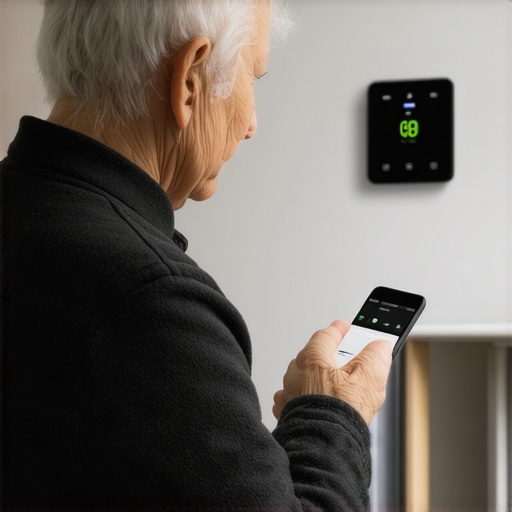
I remember my old mentor used to scream at me in the middle of a blizzard, ‘You can’t heat what you can’t touch!’ This was his way of telling me that if the air isn’t moving across the heat exchanger because of a choked filter or a dying draft inducer motor, it doesn’t matter if you have a million BTUs sitting in the cabinet. He was a tin knocker from the old school who believed comfort was physics, not magic. Today, we’ve traded some of that grit for silicon, but the physics haven’t changed. When I walk into a house where an elderly couple is shivering because their 1980s wall furnace installation finally gave up the ghost, I don’t see a sales opportunity; I see a failure of visibility. That is where app-controlled systems change the game. It’s not about tech for tech’s sake; it’s about knowing that wiring repair for heating systems or a failing relay services component won’t leave your parents in a 40-degree living room while you’re three states away.
“The most expensive equipment in the world cannot overcome a bad duct system.” – Industry Axiom
The Mechanical Anatomy: Why Modulating Systems Matter
Most people think a furnace is either on or off. That’s caveman tech. In the world of modern comfort, modulating furnace repair involves understanding that the burner can fire at 40%, 65%, or 100% capacity. For a senior citizen, this is vital. A standard furnace blasts hot air, then shuts off, letting the house cool down until the thermostat clicks again. This ‘yo-yo’ effect is hard on the bones. A modulating system stays in a low-fire state, maintaining a steady, ‘beer-can-warm’ temperature. But these systems are complex. They rely on relay services and sophisticated control boards that monitor everything from flame rectification to the RPM of the draft inducer motor repair needs. If that motor starts to whine—a high-pitched, metallic screech that sounds like a banshee in the attic—an app-controlled system can alert you before the pressure switch trips and the heat cuts out entirely. This is the ‘Forensic Diagnosis’ of the 21th century: catching the failure before the crisis.
The Physics of Airflow: Pookie, Pressure, and Performance
You can spend $15,000 on AC installation and a high-efficiency furnace, but if your HVAC duct sealing is non-existent, you’re just heating the squirrels in the attic. We call the sealant ‘Pookie’ in the trade, and it’s a veteran’s best friend. When we perform HVAC duct sealing, we are managing static pressure. If the ducts leak, the furnace has to work harder, the draft inducer motor wears out faster, and the air never reaches the far bedrooms. This is especially dangerous in cold climates where a hyper-heat heat pump might be the primary source of warmth. These units are incredible pieces of engineering that can pull heat out of -15°F air, but they require precision airflow. Without it, the coil frosts over, the emergency heat (expensive electric strips) kicks in, and the power bill triples. App controls allow you to monitor these ‘run times’ to see if the system is struggling against a leak or a failing part. Check out heating service innovations transforming 2025 climate control for more on these advancements.
[IMAGE_PLACEHOLDER]
The Indoor Environment: Beyond Just Temperature
For elderly parents, breathing ‘stale’ air is a health risk. That’s where energy recovery ventilators (ERVs) and demand-controlled ventilation come in. An ERV swaps out the gross, humid, indoor air for fresh outdoor air but ‘steals’ the heat from the exhaust stream so you aren’t wasting energy. If you’ve ever noticed a ‘sour’ smell near the furnace, that’s a sign of a compressor burnout or a moisture issue that needs immediate attention. Combining these with demand-controlled ventilation ensures that the air is always fresh, even if the house is sealed tight for winter. Sometimes, the issue is as simple as a wiring repair for heating systems that has corroded over decades, preventing the ERV from communicating with the main blower. Using choosing the right HVAC fixes can help you navigate these technical requirements.
“The heat exchanger shall be inspected for signs of corrosion, cracks, or soot…” – ACCA Standard 4
Repair vs. Replace: The Cold Hard Math
When I’m looking at a 20-year-old unit, the math usually points to replacement, but I’m not going to lie to you—a $20 capacitor or a $150 draft inducer motor repair can often buy another two years. However, for a senior’s home, reliability is the primary currency. A wall furnace installation that is failing its CO (carbon monoxide) test isn’t just a repair issue; it’s a life-safety issue. If your app tells you the ‘Heat Rise’ is lower than normal, it might mean the heat exchanger is cracked. This is when we pull the plug. A new AC installation with a 98% AFUE furnace provides peace of mind that a relay services patch job simply can’t match. You can find more on this in our how to identify when furnace repair is urgent guide. Don’t let a ‘sales tech’ push you into a system you don’t need, but don’t let nostalgia for ‘the old unit’ put your parents at risk.
The Verdict: Comfort is Visibility
In the end, app-controlled heating isn’t about being ‘fancy.’ It’s about data. It’s knowing that the modulating furnace is running at 30% capacity and the energy recovery ventilators are keeping the CO2 levels low. It’s about being alerted to a draft inducer motor failure before the house hits 50 degrees. If you’re managing a home for your parents, look for a technician who understands HVAC duct sealing and wiring repair for heating systems rather than one who just wants to swap boxes. True comfort is physics, and physics requires a watchful eye. For professional assistance, you can always contact us to ensure your system is ready for the long winter ahead.