The Sound of a Failing System at 3 AM
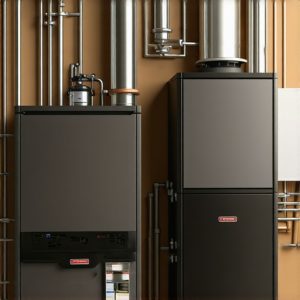
There is a specific kind of silence that wakes an HVAC man up in the middle of a January night. It is not the peaceful kind; it is the heavy, dead silence of a blower motor that just gave up the ghost while the mercury is dropping toward zero. For thirty years, I have lived in that silence. I have crawled through more fiberglass-filled attics and cramped crawlspaces than I care to count, and if there is one thing I have learned, it is that homeowners only care about their furnace when it stops making noise. By then, the math is already working against them. We are going to talk about the cold, hard numbers of maintenance plans versus the wallet-draining reality of emergency repairs, and we are going to do it without the marketing fluff you get from some ‘Sales Tech’ in a shiny, un-scuffed uniform.
The Physics Lesson: You Can’t Cool What You Can’t Touch
My old mentor, a man who smelled perpetually of PVC glue and burnt electrical contactors, used to scream at me, ‘You can’t cool what you can’t touch!’ He was talking about airflow. He would grab a handful of matted pet hair and dust from a neglected evaporator coil and hold it up like a trophy. If the air can’t pass through those fins, the thermodynamics of the entire system collapse. This is why airflow measurement services are not just a luxury; they are the baseline for survival. When your static pressure climbs because your filters are clogged or your duct cleaning services have been ignored for a decade, your blower motor has to work twice as hard. That is sensible heat that stays in the room and latent heat (humidity) that never gets wrung out of the air. In the cold Northeast, where we rely on variable speed furnace services to keep our toes from falling off, that extra strain translates directly into a cracked heat exchanger. And a cracked heat exchanger is not a repair; it is a death sentence for the unit.
“The most expensive equipment in the world cannot overcome a bad duct system.” – Industry Axiom
The Mechanical Anatomy: Why Parts Fail
Let’s look at the guts of the machine. Your furnace or heat pump is a collection of high-stress components. The capacitor is the pacemaker of the system; it provides the ‘kick’ to start your motors. Over time, heat and electrical fluctuations degrade its ability to hold a charge. If you do not catch it during a routine check, the motor it’s attached to will start to hum, overheat, and eventually burn its windings. Now, instead of a simple capacitor replacement services call, you are looking at a full motor swap-out. Then there are the relay services. These are the switches that tell your components when to fire. When a relay sticks, your outdoor unit might keep running while the indoor fan is off, turning your lines into a block of ice or, worse, slugging the compressor with liquid refrigerant. A compressor is designed to compress gas, not liquid. You try to compress a liquid, and you’ll hear a sound like a bag of marbles in a blender. That is the sound of five thousand dollars evaporating.
The Math of the Membership: Priority vs. Panic
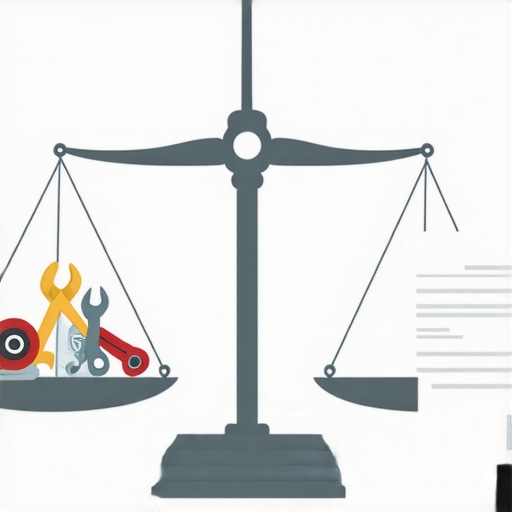
I see it every season. A homeowner refuses priority service memberships because they think it’s a ‘subscription’ they don’t need. Then, the first heatwave hits or the first polar vortex screams down from Canada, and they are on a five-day waiting list because every ‘Sales Tech’ in town is chasing the easy money. A membership is not just a cleaning; it is an insurance policy against the ’emergency rate’ surcharge. When you calculate the cost of two precision tune-ups a year plus the 15% discount most shops give on repairs, the plan usually pays for itself if you have even one minor component fail. More importantly, it keeps your Energy Star heating certification valid. Most manufacturers now require documented annual maintenance to honor their parts warranty. If you haven’t had a pro look at your system in three years and your compressor grounded out, don’t be surprised when the manufacturer denies your claim.
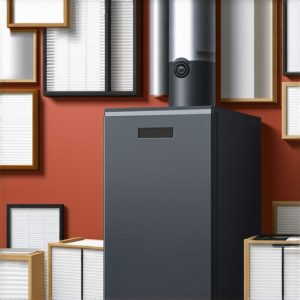
For those looking to upgrade, financing for heat pump installs is often tied to these service records. Lenders and rebate programs want to see that the high-efficiency equipment they are funding is actually going to be maintained. If you are going for IAQ improvement services like UV lights or HEPA filtration, that equipment needs even more attention because it adds resistance to your airflow. If you don’t have a ‘Tin Knocker’ who knows how to balance that extra load, you’re just killing your blower motor faster.
“Standard 62.1 specifies minimum ventilation rates and other measures intended to provide indoor air quality that is acceptable to human occupants.” – ASHRAE Standards
The Climate Context: The Northern Struggle
In our neck of the woods, we deal with extreme temperature swings. We go from 95°F and 90% humidity in August to -10°F in February. This cycles the metal in your furnace through massive expansion and contraction phases. This is where infared heater installation for workshops or garages becomes a popular add-on, but it also means your main system is under constant thermal stress. We aren’t just worried about the ‘juice’ (refrigerant) levels; we are worried about flame rollout and carbon monoxide. A technician on a maintenance plan is looking for the soot patterns and the tiny hairline fractures that mean your furnace is becoming a chimney for poison. They are checking the suction line to make sure it’s ‘beer can cold’ in the summer, ensuring the subcooling and superheat are dialed in so the compressor isn’t screaming for mercy. You can read more about furnace repair myths debunked by industry experts to see how much misinformation is actually out there.
The Forensic Verdict: Repair or Replace?
When I’m standing over a unit with a dead compressor and a rusted-out drain pan, I have to give the homeowner the ‘Forensic Diagnosis.’ If the repair is more than 50% of the cost of a new unit, and that unit is over ten years old, you are throwing good money after bad. We call it ‘zombie equipment’—it’s dead, but it’s still moving, and it’s eating your bank account every month in utility bills. If you want to know the truth about what goes into a professional setup, check out these ac installation secrets that hvac pros wont tell you. Modern systems using A2L refrigerants are more sensitive than the old R-22 tanks we used to work on. They require precision, not just a ‘top off’ of gas. If you aren’t investing in top hvac repair strategies to extend your systems life, you are essentially gambling with your comfort. The math is simple: a $200 annual plan beats an $8,000 emergency replacement every single time. Don’t wait for the silence to tell you that you messed up. Get a tech out there, get the pookie (mastic) on the leaky ducts, and make sure your airflow is king. If you need to talk to someone who knows the difference between a ‘Sales Tech’ and a real mechanic, you can contact us here. Stay warm, stay cool, and for heaven’s sake, change your filters.