My old mentor, a man who had more grease under his fingernails than a diesel mechanic, used to stand in front of a rattling furnace and scream, ‘Kid, you can’t heat what you can’t touch!’ This was his gospel on the physics of thermal transfer. He wasn’t talking about physical contact with the flames; he was talking about the molecular dance between the burning gas and the air flowing over the heat exchanger. If that metal is buried under a layer of soot, scale, or dust, the thermodynamic transfer fails. You end up with a system that groans, pops, and eventually dies because the heat is trapped inside the metal instead of being swept into your ductwork. Understanding the silent furnace heater starts with realizing that heat exchanger cleaning is not a cosmetic luxury; it is a mechanical necessity for survival in a polar vortex.
‘The efficiency and safety of a fuel-burning furnace are directly dependent on the integrity and cleanliness of the heat exchanger surfaces.’ – ASHRAE Standard 103
The Forensic Diagnosis: Anatomy of a Struggling Heater
When I walk into a mechanical room and hear a furnace ‘kicking’ or making a sound like a bag of marbles, I’m not looking for loose screws. I’m looking for thermal stress. In the North, where we lean on our heaters for six months a year, the heat exchanger is the lungs of the operation. It’s a series of metal tubes or chambers that separate the toxic combustion gases from the air you breathe. When these chambers get dirty, they don’t just lose efficiency; they lose their temper. The metal expands and contracts unevenly, leading to that characteristic ‘banging’ sound. If you are experiencing these noises, it is a sign that your furnace repair is urgent.
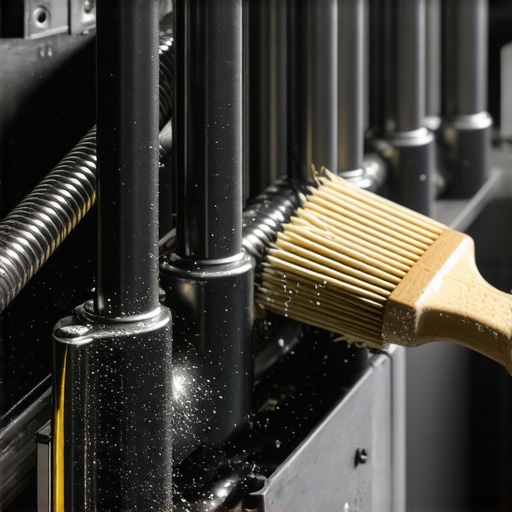
The cleaning process involves more than just a vacuum. We’re talking about removing the carbon buildup that acts as an insulator. Think about it: carbon is what they use to make heat shields. If your heat exchanger is coated in it, the heat stays in the metal. This raises the internal temperature of the furnace, often causing the limit switch to trip. This is why furnace flame sensor cleaning and heat exchanger scrubbing are the two most neglected yet vital parts of a winter tune-up. A dirty flame sensor will tell the board to shut down the gas even when there’s a flame, but a dirty heat exchanger will let the flame burn until the whole unit starts to warp.
The Thermodynamic Zoom: Latent Heat and Scale
In high-efficiency furnace installation, we’re dealing with secondary heat exchangers. These are designed to pull so much heat out of the exhaust that the gases actually condense into water. This is great for your gas bill, but it creates a wet environment where scale and corrosion can thrive. If that secondary exchanger gets plugged, the furnace starts to ‘chug’ like an old locomotive. It’s trying to breathe through a wet straw. This is why we often see multi-family heating upgrades focusing on stainless steel secondary exchangers that can handle the acidity of the condensate better than the cheap ‘tin’ of the past.
‘A cracked or fouled heat exchanger can allow products of combustion, including carbon monoxide, to enter the living space, posing a significant life-safety risk.’ – ACCA Manual G
I’ve seen plenty of ‘Sales Techs’ try to sell a whole new $10,000 system when a proper HVAC repair involving a deep cleaning of the combustion chamber would have fixed the issue. However, you have to know when to call it. If I find a crack the size of a hair in that metal, I’m pulling the plug. No amount of cleaning fixes metal fatigue. That’s when we talk about heat pump replacement or hybrid systems, especially with the 2025 push for low-GWP refrigerant retrofits. We are moving toward a world where ‘the gas’ (refrigerant) has to be more environmentally friendly, but the physics of airflow remains the same.
Beyond the Furnace: Biomass and Specialized Heating
It’s not just the standard gas furnaces that suffer from the ‘quiet’ killer of soot. Our biomass boiler services involve the same forensic approach. Wood and pellet boilers produce far more ash and creosote than gas. If you aren’t cleaning those tubes, you might as well be burning money in the backyard. The same goes for fireplace insert services and pool heater repair. A pool heater is essentially a giant radiator exposed to chemicals and moisture; the fins on those exchangers clog up with spider webs and scale, leading to a ‘whistling’ sound as the heat fails to escape.
For those looking to save money, following preventative HVAC repair tips is the only way to avoid the ’emergency’ call on a Friday night at 10 PM. You want the ‘Sparky’ (electrician) and the ‘Tin Knocker’ (duct guy) to have done their jobs right during the initial install, but the long-term silence of your unit depends on you keeping those exchangers clear. I’ve been on too many roofs and in too many crawlspaces where a $50 maintenance kit would have saved a $5,000 compressor or heat exchanger. Don’t fall for the furnace repair myths that say these systems are ‘self-cleaning.’ They aren’t. They are mechanical beasts of burden that need to breathe.
If your system is making noise, don’t just turn up the TV. The noise is the metal crying out under thermal stress. Whether it’s a simple cleaning or a full-blown efficient HVAC repair, addressing the heat exchanger is the key to a quiet, safe, and warm home. Physics doesn’t care about your budget; it only cares about the delta-T and the airflow. Keep the air moving, keep the metal clean, and the furnace will stay silent.