The sound of silence at 3 AM in the middle of January is a specific kind of terror for a homeowner. It starts with the absence of that familiar low-frequency rumble, replaced by the clicking of a relay that refuses to catch. As a technician who has spent thirty years dragging tool bags through crawlspaces and over frozen rooftops, I can tell you that silence is almost always preceded by a warning that the homeowner ignored. They think they are saving a few hundred bucks by skipping the annual check, but what they are actually doing is inviting a slow-motion mechanical suicide. You aren’t just ‘checking a box’ with an inspection; you are preventing the thermodynamic collapse of your home’s lungs.
“The most expensive equipment in the world cannot overcome a bad duct system, and the best furnace cannot survive a neglected heat exchanger.” – Industry Axiom
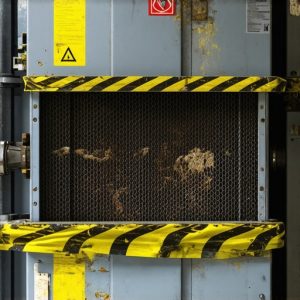
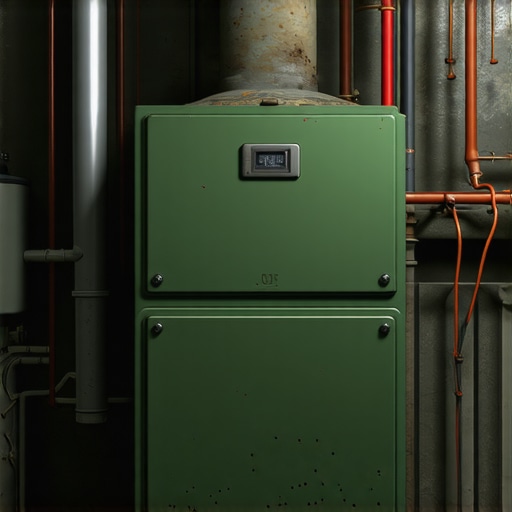
My old mentor, a grizzled tin knocker who could tell you the gas pressure of a valve just by the sound of the flame, used to scream at me, ‘You can’t cool what you can’t touch, and you can’t heat what you can’t breathe!’ He was obsessed with the physics of heat transfer. He taught me that airflow is the blood of the system. When you skip furnace repair services and inspections, you aren’t just risking a breakdown; you are literally forcing the metal to fatigue. A furnace is a controlled explosion held inside a metal box called a heat exchanger. If that box doesn’t get enough air, it overheats. It expands and contracts too violently. Eventually, the metal screams, it cracks, and then the carbon monoxide starts leaking into the air your kids breathe. That isn’t a ‘sales tech’ pitch; that is the chemistry of combustion and the reality of metallurgical failure.
The Forensic Diagnosis: Why Your Heat Exchanger is Dying
In the North, where the polar vortex turns your outdoor unit into a block of ice, your furnace is the only thing standing between your pipes bursting and a livable home. When we perform heat exchanger cleaning, we aren’t just vacuuming out dust. We are looking for the microscopic stress fractures caused by improper HVAC load calculation services. If your unit is oversized (a classic mistake made by guys who don’t know their math), it ‘short cycles.’ It gets too hot too fast, then shuts off. This rapid cycling is like bending a paperclip back and forth. Do it enough times, and it snaps. A professional eye catches the soot patterns that indicate a cracked cell before the predictive maintenance alerts even trigger on your smart thermostat.
Then there is the furnace flame sensor cleaning. This is a tiny rod of metal that sits in the fire. It uses a process called flame rectification to tell the control board that it’s safe to keep the gas valve open. Over time, it gets coated in silica and carbon. It stops ‘feeling’ the flame. The furnace will light for three seconds and then shut off. It’s a $5 part that causes a $500 emergency call-out. I’ve seen homeowners try to sand them down with heavy-duty sandpaper, which just ruins the coating and makes it fail faster. You need the right touch, or better yet, a technician who knows how to measure the microamps to see if the sensor is actually dying or just dirty.
The Commercial Crisis: Hotel Boiler Services and Scale
Neglect doesn’t stop at the residential door. If you’re looking at hotel boiler services, the stakes are exponentially higher. A boiler is a high-pressure beast. If the water chemistry isn’t balanced, you get ‘scale’—a hard mineral crust that acts like an insulator. Imagine trying to boil water in a pot with a thick layer of rock on the bottom. You have to turn up the heat, which burns more gas and eventually melts the heat exchanger from the inside out. This is why HVAC maintenance plans are non-negotiable in commercial settings. You aren’t just paying for a guy to look at things; you’re paying for the specialized knowledge of fluid dynamics and chemical balancing. If the boiler fails, the hotel loses its hot water, its guests, and its reputation in a single afternoon.
For those in more rural areas or those looking for alternative heat, pellet stove repair is its own unique challenge. These aren’t your grandpa’s wood stoves. They are complex machines with augers, blowers, and vacuum switches. A single clogged flue or a dusty ash trap will send the unit into a safety lockout. I’ve followed behind ‘sales techs’ who tried to sell a whole new stove when all that was needed was a thorough cleaning of the combustion blower. It’s about understanding the mechanics, not just looking for a commission.
The Airflow Manifesto: Beyond the Furnace
Sometimes the furnace is fine, but the environment is killing it. This is where humidifier installation and air handler repair come into play. In the dry winters of the Northeast or Midwest, the air is so thirsty it pulls moisture from your skin, your wood floors, and your furnace’s efficiency. Installing a whole-home humidifier isn’t a luxury; it’s a way to make 68 degrees feel like 72, saving you a fortune on ‘juice’ (fuel). But if that humidifier isn’t maintained, it leaks into the furnace, rusting out the ‘A-coil’ or the heat exchanger.
“Standard 62.1 and 62.2 are the bibles of ventilation. If you aren’t moving air, you’re growing mold.” – ASHRAE Standards
We see it all the time with air handler repair. The ‘tin knockers’ who built the house might have undersized the return air. The furnace is gasping for breath. This increases the static pressure, making the blower motor work twice as hard. It’s like trying to run a marathon while breathing through a straw. Eventually, the motor’s bearings start to screech—that high-pitched metal-on-metal wail that tells me a homeowner is about to have a very expensive week. This is why you need to identify when furnace repair is urgent before the smoke starts rolling. Many of these issues are myths debunked by industry experts who know that a simple filter change isn’t always the ‘magic fix’ the internet says it is.
The 2025 Reality: Why Maintenance Matters More Now
As we move into 2025, the technology is getting more sensitive. We are dealing with ‘mildly flammable’ refrigerants and ultra-high-efficiency modulating gas valves. These systems are incredible when they work, but they don’t tolerate neglect. If you aren’t using top HVAC repair strategies, you are essentially driving a Ferrari and never changing the oil. You need a pro who understands the new sensors and the communication protocols of modern boards. It’s about heating service hacks that actually work, like sealing your ducts with ‘Pookie’ (mastic) instead of that cheap silver tape that dries out in two years. If you want efficient HVAC repairs, you have to be proactive. Don’t wait for the sound of silence. Reach out and contact us before the first frost hits and your furnace decides it’s done for the season.
“,”image”:{“imagePrompt”:”A close-up, high-detail macro shot of a cracked furnace heat exchanger with visible soot build-up and a blue gas flame reflecting off the metal, illustrating the hidden dangers of HVAC neglect.”,”imageTitle”:”Neglected Furnace Heat Exchanger Crack”,”imageAlt”:”A detailed view of a cracked metal heat exchanger inside a residential furnace showing carbon buildup and stress fractures.”},”categoryId”:1,”postTime”:”2024-10-27T10:00:00Z”}