The Silent Diagnosis: When the Alarm Stays Quiet
There is a specific kind of silence that haunts every veteran tin knocker who has spent three decades dragging a tool bag through crawlspaces and over frozen parapets. It is not the peaceful silence of a well-tuned system; it is the heavy, ominous silence of a home where the combustion air is wrong and the safety nets have rotted away. Carbon monoxide (CO) is not just a ‘safety concern.’ In the world of thermodynamics and fluid dynamics, it is the byproduct of failure—the ghost of incomplete combustion. We see it when a heat exchanger cracks or when a chimney liner installation was botched by a cut-rate contractor who did not understand drafting pressures. But the real tragedy? It is finding a family sleeping soundly while the very device meant to save them has been dead for five years. I followed a ‘Sales Tech’ last winter into a split-level in the North where the temp was dropping into the negatives. This guy had quoted the owners $18,000 for a high-efficiency swap because of some minor soot on the burner. He missed the real killer: the limit switch replacement he had performed earlier was the wrong part, causing the furnace to short-cycle and crack the plenum. More importantly, the CO detector in the hallway was a yellowed piece of plastic from 2012 with a battery that had leaked acid all over the circuit board. He was selling a commission; I was looking at a crime scene in the making.
The Anatomy of an Electrochemical Sensor
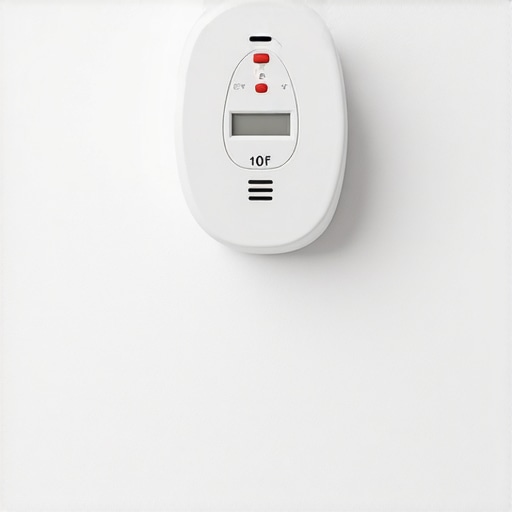
To understand why these units fail, you have to stop thinking of them as digital gadgets and start seeing them as chemical engines. Most modern CO detectors use an electrochemical sensor. Inside that little plastic box is a reservoir of acid (the electrolyte) and two electrodes—usually made of platinum. When CO molecules enter the chamber, a chemical reaction occurs that creates an electrical current. The microchip measures that current and triggers the alarm. But chemistry is a cruel mistress. Over time, that electrolyte dries out. The platinum becomes ‘poisoned’ by other household chemicals like hairspray, cleaning fumes, or off-gassing from new carpets. This is why IAQ improvement services are not just a luxury; they are a defensive measure for your safety equipment. If your air is saturated with VOCs, your CO sensor is effectively ‘choking’ on noise, losing its ability to sense the actual threat. This degradation is why the industry standard for replacement is 5 to 7 years, regardless of what the ‘test’ button says. That button only tests the horn and the battery; it does not tell you if the sensor is still capable of reacting to the gas. This is a critical distinction that leads many to a false sense of security.
“Carbon monoxide is the leading cause of accidental poisoning deaths in the United States, often due to improperly vented combustion appliances and failure of detection systems.” – ASHRAE Standard 62.1
The Physics of the Draft: Why Vents Matter
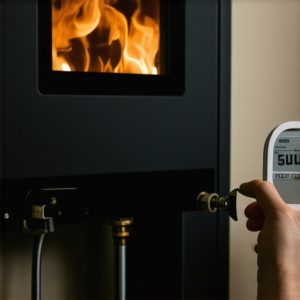
In cold climates, the battle is against the ‘Stack Effect.’ Your house is essentially a giant chimney. When we perform airflow measurement services, we are looking at the static pressure and the draft. If you have a poorly executed chimney liner installation, the flue gases—which are supposed to be buoyant and rise—can cool down too fast. This creates a ‘cold plug’ of air that pushes those toxic gases back into the mechanical room. This is also why HVAC duct sealing is vital. If your return ducts are leaking in the utility closet, they can actually ‘suck’ the exhaust right out of the furnace’s draft hood. We call this backdrafting, and it is the fastest way to flood a home with CO. In commercial settings, like during school boiler maintenance, we use combustion analyzers to check the parts-per-million (PPM) of CO in the flue. If that number is climbing, it means the burner is ‘starving’ for oxygen. A clogged HEPA filter system or an oversized blower can exacerbate these pressure imbalances, turning your sanctuary into a gas chamber.
The Limit Switch and the Ghost in the Machine
One of the most misunderstood components in a furnace is the limit switch. Its job is to shut the gas valve off if the heat exchanger gets too hot. If you need a limit switch replacement, it is usually because the furnace is ‘panting’—it cannot get enough air over the metal to keep it cool. When a limit switch fails or is bypassed by a lazy ‘sparky’ or tech, the metal in the heat exchanger undergoes extreme thermal stress. It expands and contracts until a hairline fracture appears. At that point, the blower motor (which we call the ‘lungs’) starts pushing high-pressure air through that crack and into your living space, carrying CO with it. For those with alternative heating, like an infrared heater installation or swamp cooler maintenance in dry regions, the risks change but the physics of ventilation remain the same. Even an occupancy sensor installation for lighting can play a role in modern ‘tight’ homes where the HRV or ERV fails to bring in fresh air, leading to a buildup of pollutants. If you want to know more about the technical nuances of these systems, you should look into how to identify when furnace repair is urgent before the sensor even has to trip.
The Maintenance Manifesto: Testing Schedules
How often should you test? Once a month. But ‘testing’ means more than just hitting the button. You should be using a can of ‘canned CO’ (available at specialized shops) once a year to ensure the sensor actually reacts. If you are relying on a detector that is older than your dog, you are gambling with physics. We see this in the field constantly; homeowners think that because the green light is on, they are safe. But that light is just a heartbeat monitor for the battery, not the lungs of the device. Professional IAQ improvement services often include a full calibration check of these monitors. Furthermore, if you’ve recently had HVAC duct sealing or have upgraded to high-efficiency windows, your home is ‘tighter’ than it used to be. This means you have less ‘natural’ air infiltration to dilute any CO leaks. It is a paradox of modern efficiency: the more we save on the bill, the more we rely on our sensors to keep us alive. For more on the myths of the trade, check out furnace repair myths debunked.
“Ensure that all fuel-burning appliances are inspected annually for proper venting and combustion air supply to prevent CO accumulation.” – EPA Section 608 Technical Guidelines
The Diagnostic Path: Repair or Replace?
When I walk into a mechanical room and see a rusted flue or a soot-covered burner, I don’t just see a repair. I see a system that is failing the laws of thermodynamics. If your CO detector is chirping, do not just take the battery out. It is likely warning you of an ‘end of life’ signal or a low-level leak. Replacing a detector is cheap; a $50 bill is better than a funeral. However, if the detector is fine and the CO is real, you need to look at the source. Is it a cracked exchanger? A blocked chimney? A failing water heater? This is where heating service hacks for comfort and savings come into play, helping you maintain the system so these emergencies never happen. In the end, comfort is a byproduct of safety. You cannot have one without the other, and no amount of ‘juice’ in the lines or ‘pookie’ on the ducts will save you if the air you’re breathing is toxic. Respect the chemistry, test the sensors, and never trust a tech who doesn’t carry a combustion analyzer.