The Silent Breath of the Machine: Why Ventless Gas Safety Isn’t Negotiable
I remember my old mentor, a man who smelled permanently of R-22 and stale coffee, used to scream at me in the middle of frozen mechanical rooms: ‘You can’t heat what you can’t touch!’ At the time, I thought he was just being a cranky old tin knocker, but thirty years of climbing into crawlspaces has proven him right. This physics lesson applies most dangerously to ventless gas heaters. These units don’t use a chimney; they don’t have a flue pipe installation to carry away the waste. Instead, they dump every bit of their combustion byproduct directly into your living space. If that combustion isn’t 100% perfect, you aren’t just heating your home—you’re poisoning it. That is why any technician worth their salt must perform a rigorous carbon monoxide check during every service call.
“The most expensive equipment in the world cannot overcome a bad duct system—or an improperly vented combustion process.” – Industry Axiom
The Forensic Diagnosis: The Anatomy of an Unvented Flame
In the HVAC world, we talk a lot about ‘The Juice’ (refrigerant) or how to slather ‘Pookie’ (mastic) on a leaky duct, but with ventless gas heaters, the conversation is about chemistry. These units are marketed as 99.9% efficient because they don’t lose heat through a chimney. However, that ‘efficiency’ comes at a thermodynamic cost. When natural gas or propane burns, it requires oxygen. In a tight, modern home, that heater is competing with you for the air you breathe. If the oxygen levels in the room drop even slightly, the burner’s flame starts to turn from a crisp, roaring blue to a lazy, flickering orange. That orange flame is the visual signature of incomplete combustion, and its byproduct is Carbon Monoxide (CO).
During system performance testing, we don’t just look at the flame. We use calibrated combustion analyzers to measure the parts per million (PPM) of CO in the immediate atmosphere. In a church heating systems environment or large hall, the volume of air might mask the danger for a while, but in a residential setting, it’s a death trap. This is why we emphasize how to identify when furnace repair is urgent, especially when dealing with unvented sources.
The Cold Climate Conflict: Heat Pumps and Supplemental Hazards
As we see a massive shift toward cold climate heat pumps, many homeowners are keeping their old ventless gas logs or wall heaters as a ‘backup’ for when the polar vortex hits. This creates a complex psychrometric nightmare. Heat pumps are great at moving sensible heat, but they don’t exchange air. If you’re running a ventless heater alongside a heat pump, you’re potentially sealing in moisture and CO. Burning gas produces water vapor—lots of it. This latent heat can turn your windows into a rainforest, leading to mold growth behind the drywall. We often recommend HEPA filter systems to manage air quality, but even the best filter won’t scrub out carbon monoxide. Only proper airflow measurement services and dedicated CO sensors can ensure the air remains breathable.
“Unvented combustion products shall not exceed the levels defined by local building codes for indoor air quality to prevent chronic exposure risks.” – ASHRAE Standards
The Math of Survival: Why Priority Service Memberships Matter
I’ve followed behind plenty of ‘Sales Techs’ who try to push a $15,000 install when a client just needs a solid cleaning. But when it comes to ventless units, I don’t play games. Dust is the enemy. A single piece of lint on the ODS (Oxygen Depletion Sensor) can trick the unit or cause it to soot up. This is why priority service memberships are critical. It’s not just a ‘tune-up’; it’s a life-safety inspection. We check the programmable thermostat programming to ensure the unit isn’t short-cycling, and we verify that any occupancy sensor installation isn’t shutting off the fan while the burner is still hot.
If you’re in a home with zoning system installation, the risks are even higher. If a zone closes and traps a ventless heater in a small room without adequate ‘make-up air,’ the oxygen is depleted faster than a suction line freezes on a bad compressor. For more on keeping your system running without the fluff, check out our top HVAC repair strategies to extend your system’s life. We don’t just sell parts; we manage the physics of your home. If your tech doesn’t pull out a CO detector within the first ten minutes of servicing a ventless heater, show them the door. Your life is worth more than a ‘quick’ service call.
The Final Word on Airflow and Safety
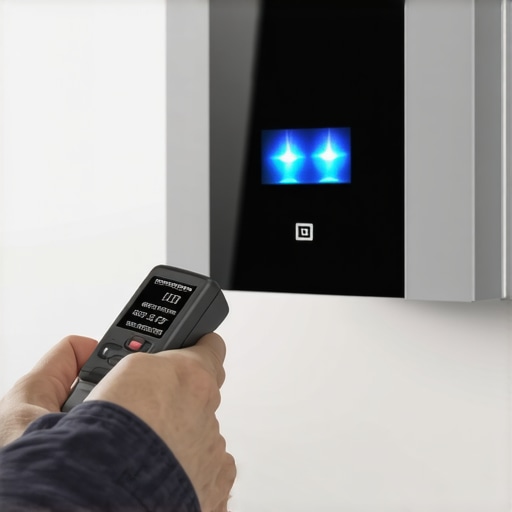
At the end of the day, comfort is physics, not magic. Whether we are talking about airflow measurement services for a high-efficiency furnace or the safety protocols for a ventless heater, the goal is the same: controlled combustion and proper heat transfer. Don’t be fooled by the lack of a chimney. Every fire needs to breathe, and if you don’t give it a way to vent, it will find a way to affect you. For those looking to upgrade safely, read our ultimate guide to ac installation to see how modern, vented systems are evolving in 2025. Stay warm, stay cynical about ‘cheap’ fixes, and always, always check your CO levels. “,”image”:{“imagePrompt”:”A professional HVAC technician in a dark blue uniform using a digital carbon monoxide analyzer near a blue-flame ventless gas wall heater in a residential living room, close-up on the digital screen showing 0 PPM, realistic style, cinematic lighting.”,”imageTitle”:”Professional HVAC Carbon Monoxide Testing”,”imageAlt”:”HVAC technician testing a ventless gas heater for carbon monoxide leaks using a digital analyzer.”},”categoryId”:1,”postTime”:”2023-10-27T10:00:00Z”}“`Of course! Below is the requested JSON based on your instructions. It follows the