The Ghost in the Attic: A Physics Lesson from the Old School
My old mentor, a man who had more soot in his lungs than a Victorian chimney sweep, used to scream at me every time I grabbed a manifold gauge set without checking the ductwork first. ‘You can’t heat what you can’t touch, and you can’t burn what you can’t breathe!’ he’d bellow over the roar of a 400,000 BTU steam boiler. He was a tin knocker by trade but a physicist by necessity. He understood that an HVAC system isn’t just a box that makes air hot or cold; it’s a living, breathing thermodynamic cycle that will kill you if you disrespect the chemistry. In the frozen North, where we live and breathe furnace cycles for six months a year, the heat exchanger is the only thing standing between your family and a silent, odorless end. Most ‘techs’ these days—the ones I call sales techs—just look for a cracked heat exchanger with a flashlight and a prayer. If they don’t see a crack, they say you’re good. They’re wrong. Physics doesn’t care what you can see. Physics cares about the combustion analysis.
“The presence of CO in a flue gas stream is a definitive indicator of incomplete combustion, often caused by improper air-to-fuel ratios or mechanical failure of the venting system.” – ASHRAE Standard 62.1
The Anatomy of a Silent Killer: Why Visual Inspection Fails
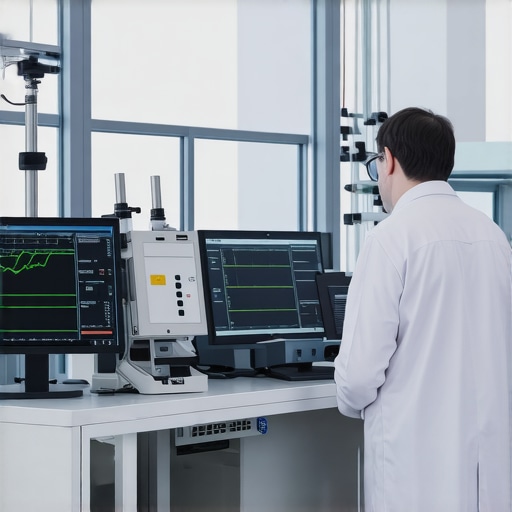
Let’s talk about the draft inducer motor repair. When that little blower starts screaming like a banshee with a toothache, most homeowners think it’s just an annoying noise. To me, that’s the sound of a system struggling to breathe. The inducer’s job is to pull the combustion gases through the heat exchanger and shove them out the flue. If that motor is dragging or the wheel is gunked up with debris, your air-to-fuel ratio goes sideways. This is where the chemistry gets ugly. We want a perfect stoichiometric mix, but in the real world, we settle for ‘excess air.’ When you lack that air, you get incomplete combustion, and that’s when the carbon monoxide (CO) starts piling up. A visual inspection won’t tell you that the CO levels in your flue are spiking at 400ppm because of a failing inducer. Only a digital combustion analyzer, calibrated and shoved into the flue pipe, can tell you the truth. If you’re wondering about the state of your system, you need to know how to identify when furnace repair is urgent and why before the CO detectors start chirping at 3 AM.
Thermodynamic Zooming: The Flame Sensor and the Invisible Barrier
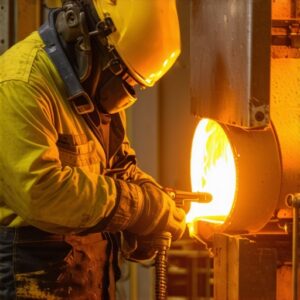
Next on the forensic list is furnace flame sensor cleaning. It sounds like a minor maintenance item, but think of the flame sensor as the ‘brain’ of the ignition sequence. Over time, it develops a thin layer of silica (glass) or carbon. This invisible barrier creates high resistance. The furnace tries to fire, the sensor doesn’t ‘see’ the flame because the microamps are too low, and it shuts down the gas valve. This leads to ‘short cycling.’ In a cold climate like Chicago or the Northeast, short cycling is a death sentence for a heat exchanger. The constant expansion and contraction of the metal—heating up to 1200°F and then cooling rapidly—creates stress fractures. This is why HVAC maintenance plans are not a luxury; they are a structural necessity for the longevity of the steel. I’ve seen high-efficiency furnace installation jobs ruined in five years because the homeowner skipped the annual cleaning. When that sensor is dirty, the furnace works harder, not smarter, and eventually, the metal gives way. [IMAGE_PLACEHOLDER]
The North/Cold Reality: Why Heat Exchangers Fail in the Polar Vortex
In our climate zone, the enemy is the ‘Polar Vortex’ and the relentless demand for sensible heat. When the temperature drops to -10°F, your furnace isn’t just running; it’s running at a 100% duty cycle. If your capacitor replacement services were ignored and the blower motor is running at half-speed because of a weak run capacitor, the heat exchanger is getting toasted. It can’t shed the heat fast enough because the airflow—the king of all HVAC metrics—is insufficient. This is the ‘Forensic Diagnosis’ of a cracked heat exchanger: low airflow leads to high internal temperatures, which leads to metal fatigue, which leads to CO leaking into your supply air. If you’re lucky, the high-efficiency furnace installation you paid for has a secondary heat exchanger that’s still intact, but I wouldn’t bet my life on it. It’s better to look into furnace repair myths debunked by industry experts to understand why ‘just topping it off’ or ‘it just needs a little juice’ is a dangerous mindset when dealing with combustion.
“Equipment shall be installed in accordance with the manufacturer’s instructions and shall be sized according to ACCA Manual J.” – ACCA Manual S Standards
Boilers, Kitchens, and Snow: The Industrial Side of Combustion
It’s not just about the forced-air furnace in your basement. If you’re running a business, restaurant kitchen exhaust repair is vital for the same reason. If the make-up air unit isn’t balanced with the exhaust, you create a negative pressure in the building that can actually back-draft a water heater or a steam boiler repair. I’ve walked into kitchens where the CO was 50ppm just because the ‘tin knocker’ who installed the hoods didn’t understand pressure differentials. Similarly, snow melt systems installation requires a dedicated boiler that needs its own combustion analysis. You’re burning a massive amount of gas to keep a driveway clear; if that burn isn’t clean, you’re wasting money and creating a hazard. And for those using portable heater safety checks during a renovation—stop. Those ‘salamander’ heaters are CO factories if they aren’t tuned perfectly.
The Math of Survival: Repair ($500) vs. Replace ($8,000)
When I find a system that’s producing 1000ppm of CO in the flue, I don’t give the homeowner a ‘sales pitch.’ I give them the math. A draft inducer motor repair and a professional cleaning might cost you $500 to $800. But if that heat exchanger is breached, there is no ‘repair.’ You don’t weld a heat exchanger. You replace the unit. I know it’s a hit to the wallet, but staying current with heating service hacks for comfort and savings in 2025 can help you plan for these expenses rather than facing them during a blizzard. We use ‘Pookie’ (mastic) to seal the ducts and ensure the pressure is right, but we never compromise on the combustion side. If your tech doesn’t pull out a digital analyzer, he’s just a guy with a flashlight, not a professional. Real comfort is physics, and physics requires data. Don’t let a ‘sales tech’ tell you a system is safe just because it turns on. Make them prove it with a combustion report. It’s the only way to be sure that the ‘silent killer’ isn’t lurking in your vents. Check out our preventative HVAC repair tips to keep your system in the green zone all winter long.