The Banshee in the Basement: Diagnosing the Death Rattle of a Heating System
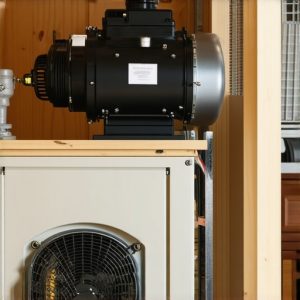
When the temperature drops below freezing in the dead of a Northern winter, silence is usually a sign of trouble, but a high-pitched, metal-on-metal squeal is a sign of an impending catastrophe. As an HVAC tech who’s spent three decades crawling through spider-infested crawlspaces and balancing on ice-slicked rooftops, I’ve learned that sounds tell the story long before the multimeter does. My old mentor used to scream at me, ‘You can’t cool what you can’t touch, and you can’t heat what you can’t vent!’ This wasn’t just a cranky old man’s rambling; it was a fundamental lesson in the physics of combustion. If your furnace is screaming, it’s usually the draft inducer motor—the unsung hero of the heating cycle—begging for mercy. This motor is the first thing that kicks on when the thermostat calls for heat. It clears the heat exchanger of any residual gases and ensures there is a draft to pull the flames through the tubes. When it starts squealing, you’re looking at a bearing failure that could leave you in a frozen house within hours.
“Proper venting and combustion air are critical for the safe and efficient operation of fuel-burning appliances. Failure to maintain negative pressure in the flue can lead to life-threatening carbon monoxide buildup.” – ASHRAE Standards on Residential Ventilation
The Anatomy of the Squeal: Why Inducer Motors Fail
To understand the squeal, we have to talk about the thermodynamic zoom of the combustion process. Modern high-efficiency furnaces use a secondary heat exchanger to squeeze every bit of latent heat out of the exhaust gas. This process creates condensation—acidic water that eats through cheap metal. The inducer motor sits right in the crosshairs of this moisture. Over time, the internal bearings, which are often just oil-impregnated bronze bushings, lose their lubrication. The squeal you hear is the sound of dry metal grinding against dry metal at 3,000 RPMs. It’s the sound of friction winning the war against your comfort. This isn’t just a noise issue; it’s a safety issue. If that motor seized, the centrifugal switch or the pressure switch wouldn’t close, and your furnace would stay dead, requiring emergency heating repair before the pipes freeze.
Forensic Diagnosis: Is It the Motor or Something Else?
Before you go calling a ‘Sales Tech’—those guys in clean uniforms who try to sell you a $15,000 system because your capacitor is weak—you need to do some forensic investigation. First, kill the power. Open the cabinet and look at the inducer assembly. It’s that small blower housing usually located near the top of the furnace where the exhaust pipe exits. Look for ‘Pookie’ (that’s mastic sealant to you civilians) or soot around the housing. If you see water streaks or rust, the housing is leaking condensate into the motor. Give the fan blade a spin with your finger (with the power off, obviously). If it feels gritty or resists movement, those bearings are shot. Sometimes, a squeal is just a piece of debris trapped in the impeller, but 90% of the time, it’s the motor’s internal metallurgy failing. This is where heating service becomes an art form; you have to distinguish between a loose mounting bracket and a dying motor.
The Repair Blueprint: Replacing the Draft Inducer
If you’ve confirmed the motor is the culprit, you have two choices: replace the whole assembly or try to oil the bearings. Let me save you the trouble: oiling is a temporary fix that might buy you two days. You need a new assembly. You’ll need to disconnect the wiring—watch out for the ‘Sparky’ work of the previous guy who might have left bare leads—and unscrew the housing from the collector box. Be careful with the gasket; if you tear it and don’t have a replacement, you’ll be using high-temp RTV silicone like a ‘Tin Knocker’ on a Friday afternoon. This is also a good time to check your preventative hvac repair tips and see if your flame sensor or igniter needs a cleaning while you’ve got the ‘gas’ (refrigerant jargon doesn’t apply here, we’re talking propane or natural gas) shut off.
“The most expensive equipment in the world cannot overcome a bad duct system or a restricted combustion path.” – Industry Axiom
Beyond the Furnace: Large Scale Airflow and Modern Tech
While a residential furnace squeal is a headache, the stakes get much higher when we talk about efficient hvac repairs in commercial settings. For instance, restaurant kitchen exhaust repair requires the same understanding of static pressure, just on a massive scale. If the makeup air unit isn’t balanced with the exhaust, you’ll never get the building to hold a set point. We’re also seeing a massive shift in the industry toward low-GWP refrigerant retrofits. By 2025, R-410A is going the way of the dodo, replaced by A2L refrigerants like R-454B. This means new sensors and potentially new inducer-style fans in outdoor units to clear any leaks. Whether it’s a dual fuel heat pump system or hospital HVAC zoning that requires precise HEPA filter systems and steam humidifiers to prevent the spread of pathogens, the physics remains the same: airflow is king. If you’re dealing with a complex setup, like propane conversion services or intricate wiring repair for heating systems, don’t let a ‘Sales Tech’ talk you into a replacement when a targeted repair is all you need. Know the difference by checking furnace repair myths debunked before you sign a check. If you’re still hearing that banshee scream, it’s time to act before the inducer gives up the ghost entirely. Contact us to get a real tech on the job who knows the difference between a loose belt and a bearing failure. Care for your system, and it’ll care for you when the polar vortex hits.”