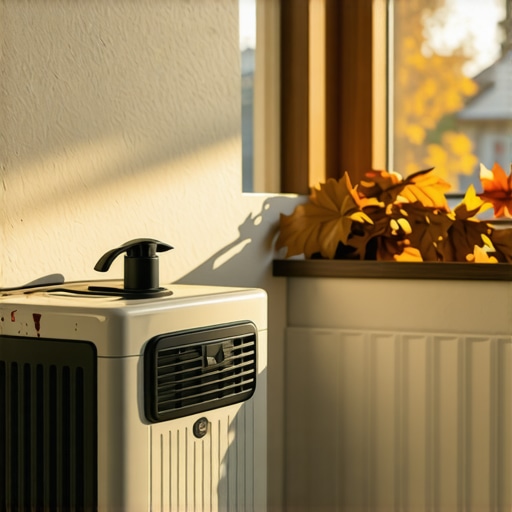
My old mentor used to scream, ‘You can’t heat what you can’t touch!’ This is why airflow and thermal contact matter more than raw horsepower. Back in the early 90s, I watched him dismantle a custom-built pool house heater because the owner thought a little dust didn’t matter. The heat exchanger was so choked with soot from a bad fuel-to-air ratio that the flame was literally licking the casing. He looked at the homeowner and said, ‘You aren’t paying for heat; you’re paying for the destruction of your own equipment.’ That lesson stuck. In this trade, we see people ignore their spa heaters the second the leaves start to turn, thinking they can just ‘fire it up’ when the first frost hits. That is a $2,000 mistake waiting to happen.
The Thermodynamic Reality of Autumn Stagnation
When the ambient temperature drops in the North, the physics of your heating system change. Whether it’s a dedicated spa heater or a heat pump installation designed for year-round use, the transition to autumn creates a specific set of mechanical stressors. If you are running on propane, the propane conversion services you had performed three years ago might be failing due to regulator fatigue. Propane is a heavy, oily gas compared to natural gas; it leaves a residue that can clog the tiny orifices in your burner tray during the humid summer months of inactivity. When you try to light it in October, you get a ‘whoosh’ or a lockout. That’s not just a nuisance; it’s a sign that your combustion chemistry is off.
“Equipment shall be installed in accordance with the manufacturer’s instructions and the terms of its listing.” – ACCA Manual J / Industry Standard
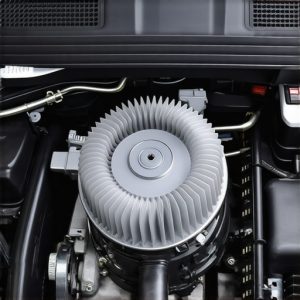
The biggest enemy we face in the cold climate zones is the cracked heat exchanger. In a spa heater, the water chemistry is often the culprit, but the draft inducer motor repair is what keeps me busy in November. That motor is responsible for pulling the combustion gases through the heat exchanger and pushing them out the vent. If that motor is dragging or the bearings are screaming like a banshee, you aren’t getting the right static pressure. Without the correct pressure, the flame doesn’t ‘seat’ properly in the burner. It wanders. And a wandering flame is a flame that burns through metal it was never meant to touch.
The Forensic Diagnosis: Why Transformers and Pilots Fail
Let’s talk about the ‘Sparky’ side of things. I’ve walked into countless backyards where the owner says, ‘It just won’t click on.’ Usually, they’ve blown a 24v transformer because of a short in the wiring that some ‘Tin Knocker’ ran too close to a sharp edge of the cabinet. A transformer replacement is a simple fix, but why did it blow? Usually, it’s because of moisture infiltration during the late summer rains that corroded the contactor. If you aren’t doing pilot light relighting or cleaning the thermopile in the autumn, you’re going to be shivering in 40-degree water while you wait for a tech to charge you double for an emergency call.
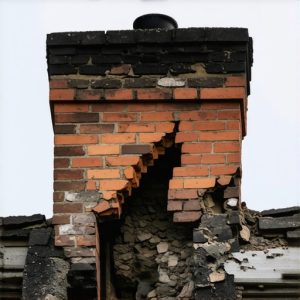
Then there is the issue of static pressure testing. People think this only applies to the big furnace in the basement, but your spa heater’s venting system is just as sensitive. If the vent is blocked by a bird’s nest or fallen leaves, the backpressure will trip the limit switch. If you’re lucky, it just shuts down. If you’re unlucky, and the safety switch is bypassed by some hack ‘Sales Tech,’ you’re looking at a carbon monoxide factory. This is why carbon monoxide detector installation isn’t just a suggestion; it’s a life insurance policy for your patio area. Even outdoors, a concentrated pocket of CO near a spa cover can be lethal.
The Hidden Costs of Thermal Loss
It isn’t just about the heater itself; it’s about the environment it lives in. If your heater is housed in an enclosure or if you have baseboard heater repair needs in the attached pool house, you have to look at the ‘envelope.’ I’ve seen homeowners spend thousands on a high-efficiency heat pump installation for their pool, only to lose all that heat because they haven’t checked their attic insulation for heating efficiency in the adjacent structures. You can’t out-run the laws of thermodynamics. If your pipes are losing 10 degrees of heat before the water even hits the jets, your heater is working 30% harder than it needs to. That ‘juice’ (electricity or gas) isn’t free.
“The most expensive equipment in the world cannot overcome a bad duct system or improper venting.” – Industry Axiom
We also need to discuss leak detector integration. In the autumn, as the ground shifts and pipes contract from the cold, minor leaks become major fractures. A spa heater running with low water flow is a recipe for a ‘melted’ unit. The sensors are supposed to shut it down, but sensors fail. A proactive technician will check the flow switches and integrate a leak detector into your automation system before the first hard freeze. This is one of those top HVAC repair strategies to extend your system’s life that people ignore until the slab is cracked.
Propane vs. Electric: The 2025 Regulatory Shift
As we move into 2025, the industry is shifting. We are seeing more heat pump installation requests for spas because they are incredibly efficient at maintaining temperature. However, they struggle when the air gets truly ‘beer can cold.’ If you’re in a Northern zone, you need a hybrid approach. This requires a sophisticated understanding of static pressure testing and refrigerant cycles. If your tech doesn’t know the difference between latent and sensible heat, fire them. You need someone who understands heating service innovations transforming 2025 climate control to ensure your system isn’t obsolete by the time the snow melts.
If you’re still running a gas-fired unit, don’t ignore the pilot light relighting process. Modern units use electronic ignition, but the flame sensors (thermocouples) get ‘sooted up.’ A quick cleaning can save you from a $400 ‘no-heat’ call. It’s about knowing how to identify when furnace repair is urgent and why. If you smell something acidic or sour near the heater, that’s the smell of a compressor burnout or a chemical reaction in the heat exchanger. Don’t wait.
Conclusion: Don’t Be the ‘Sales Tech’s’ Next Victim
I hate Sales Techs. They show up, see a 10-year-old spa heater with a faulty $50 draft inducer motor, and tell you the whole system is ‘shot’ and you need a $12,000 replacement. It’s a scam. Most of the time, a thorough autumn cleaning, a transformer replacement, or simply pilot light relighting is all you need to get another five years out of the rig. But you only get those five years if you do the maintenance. Check your preventative HVAC repair tips for year-round efficiency and stay ahead of the weather. Physics doesn’t take days off, and neither should your maintenance schedule. If you have questions about your specific setup, feel free to contact us before the ground freezes solid.