The Simple Check That Stops a Furnace Condensate Leak From Flooding Your Basement
Imagine waking up on a cold morning in Vancouver, heading down to your basement to grab a coffee or start a load of laundry, and feeling a sudden, cold squelch beneath your feet. You look down, and there it is: a spreading pool of water radiating from the base of your furnace. Your first instinct is panic. Is the hot water tank gone? Did a pipe burst? In many cases, the culprit is much smaller but can cause just as much damage: a furnace condensate leak.
As a Commissioning Specialist with over a decade of experience in residential HVAC across British Columbia, I have seen hundreds of basements saved – and dozens ruined – by a single component of a modern heating system. If you find yourself searching for furnace repair vancouver, you are likely already dealing with the aftermath of a water leak. However, there is a simple, five-minute check that every homeowner in Surrey, Burnaby, and Coquitlam should know. This check can stop a minor drip from becoming a catastrophic flood.
Modern high-efficiency furnaces (those with an AFUE rating of 90% or higher) are marvels of engineering, but they are also essentially giant dehumidifiers. They produce a significant amount of water as a natural byproduct of the combustion process. When that water has nowhere to go, it ends up on your floor. Before you call a plumber vancouver or search for plumbing services near me, let’s walk through why this happens and how you can fix it today.
The Science of Furnace Condensation: Why Is My Furnace Making Water?
To understand why your furnace is leaking, you first have to understand why it’s “sweating.” In the old days, furnaces were only about 80% efficient. They had a single heat exchanger, and the exhaust gases were so hot (often over 400°F) that they stayed in a gaseous state and floated right up the chimney. While this prevented liquid water, it also meant you were literally throwing 20% of your fuel money into the atmosphere.
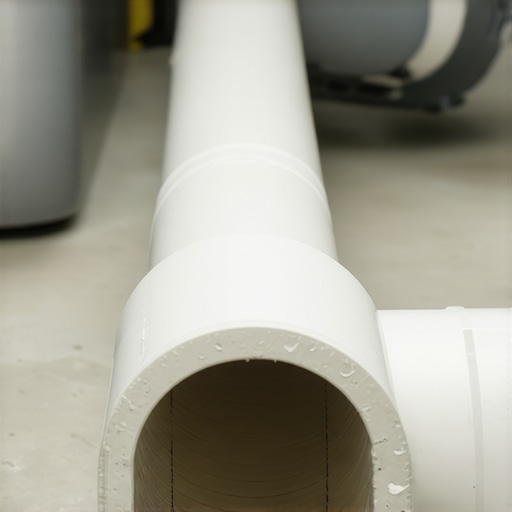
Modern high-efficiency units use a secondary heat exchanger. This component extracts the remaining heat from the combustion gases before they exit the home. By the time the exhaust leaves the secondary heat exchanger, it has cooled significantly – often to below 120°F. This cooling causes the water vapor in the exhaust to condense into liquid water. This is why you now see white PVC plastic venting instead of metal chimneys; the exhaust is cool enough to vent through plastic, but it is also wet and acidic.
During a typical cold snap in the Lower Mainland, a high-efficiency furnace can produce between 5 to 8 gallons of water per day. This water must be safely drained away. If you are noticing moisture where it shouldn’t be, it’s vital to know How to Identify When Furnace Repair Is Urgent and Why. A failure in this drainage system doesn’t just stop the heat; it can lead to structural damage. If you are unsure of your system’s configuration, consulting a reputable hvac company Vancouver is the safest way to ensure your secondary heat exchanger is performing correctly without leaking into your foundation.
The “Simple Check” Revealed: Inspecting the Condensate Trap
The most common reason for a furnace-related flood isn’t a broken heat exchanger or a cracked cabinet; it’s a simple clog. Every high-efficiency furnace has a “condensate trap” (often called a P-trap). Much like the trap under your kitchen sink that prevents sewer gases from entering your home, the furnace trap holds a small amount of water to prevent exhaust gases from leaking into your living space while allowing the liquid condensate to flow out.
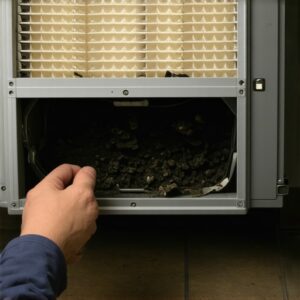
Over time, this trap can become a magnet for “gunk” – a mixture of dust, biological growth (algae), and sediment from the combustion process. When the trap clogs, the water backs up into the furnace. This can trigger a safety switch (the pressure switch) that shuts the unit down, or worse, the water overflows the internal collector box and spills onto your basement floor.
How to Perform the 5-Minute Check
- Locate the Drain Line: Look for the white PVC pipe or clear plastic tubing exiting the side of your furnace. This line usually leads to a floor drain or a condensate pump.
- Find the P-Trap: This is usually a U-shaped or bulbous plastic component either inside the furnace cabinet or mounted to the side.
- The Visual Inspection: If the tubing is clear, look for dark sediment or “slugs” of algae. If the trap is opaque PVC, look for signs of water backing up at the point where the drain enters the furnace.
- The Simple Hack: Gently tap the trap and the drain line. If you hear a “thud” rather than a hollow “clink,” it may be full of sediment. If you see water sitting high in the tube, it’s blocked.
- Clear the Exit: Follow the pipe to where it ends (usually a floor drain). Ensure the end of the pipe isn’t submerged in debris or blocked by storage boxes.
If you find a clog, you can often clear it by disconnecting the tubing and flushing it with warm water or using a wet/dry shop vac to suck the blockage out from the exit point. If the blockage is deeper in the home’s line, you may need professional drainage repairs to prevent a recurring water leak.
5 Common Reasons Your Furnace is Leaking
While the P-trap is the most frequent offender, there are several other reasons you might find a puddle in your mechanical room. In my time providing plumbing surrey bc and plumber burnaby services, I’ve identified these five recurring issues:
1. Clogged Condensate Drain Line
Beyond the trap itself, the entire length of the drain pipe can become blocked. Dust from the air – especially if you haven’t had air duct cleaning vancouver recently – mixes with the moisture to create a thick paste that eventually hardens. This is why searching for a drain service near me is common during the first heavy-use month of winter.
2. Cracked Condensate Collector Box
The collector box is where the water is gathered before it enters the trap. Because this box is constantly exposed to acidic water and heat cycles, the plastic can eventually crack. This requires a professional furnace repair vancouver specialist to replace the internal component.
3. Malfunctioning Condensate Pump
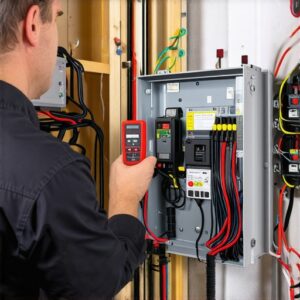
If your furnace is located in a part of the basement where a floor drain isn’t nearby, your installer likely used a condensate pump. This small reservoir pumps the water up and out of the house. If the motor fails or the float gets stuck, the reservoir overflows. This is often where The $50 electrical part that keeps your furnace from a total meltdown comes into play – a safety float switch that should have cut power to the furnace before the overflow happened.
4. Improperly Sloped Drain Pipes
Gravity is the primary mover of furnace water. If the PVC drain line was installed with a “belly” or if it doesn’t have a consistent downward slope, water will pool in the pipe, eventually backing up into the furnace cabinet. This is a common find when we perform plumbing vancouver bc audits on DIY installations.
5. Frozen Drain Line
In British Columbia, we occasionally hit temperatures well below freezing. If your condensate line runs through an unconditioned crawlspace or exits through an exterior wall without proper insulation, the water inside can freeze. This creates an ice plug that forces all subsequent water back into your home. If you suspect this, you need emergency services plumbing immediately to prevent a total system shutdown.
The Dangers of Ignoring the Leak: It’s Not Just Water
Many homeowners see a small trickle and think, “I’ll just put a towel down and deal with it in the spring.” This is a dangerous mistake. Furnace condensate is not pure water; it is a byproduct of combustion, meaning it contains diluted carbonic and nitric acids. With a pH level typically between 3 and 5, this liquid is highly corrosive.
If left to sit, this acidic water will eat through the finish on your basement floor, corrode the metal base of your furnace, and can even damage the structural integrity of your concrete foundation. Furthermore, a constant source of moisture in a dark, warm basement is the perfect breeding ground for black mold. If you smell a musty odor, you should contact experts in leak detection to ensure the water hasn’t seeped behind your drywall or under your flooring.
Residents looking for plumbers in coquitlam bc often realize too late that a simple drip has turned into a multi-thousand dollar remediation project. This is Why high-tech leak detection is the only way to protect your Surrey basement from the invisible damage of acidic runoff. Even a small water leak can lead to the need for a garburator fix or plumber vancouver bc visit if the water migrates toward other appliances or electrical outlets.
Advanced Prevention: Smart Integration
If you want to move beyond the manual 5-minute check, there are modern technological solutions that can provide 24/7 peace of mind. As a Commissioning Specialist, I always recommend Integrating a leak detector with your HVAC to stop basement floods before they start. These systems involve a moisture sensor placed in a secondary drain pan under the furnace.
When the sensor detects even a teaspoon of water, it sends a signal to a smart hub and, more importantly, can be wired to break the “R” wire circuit on your furnace. This immediately shuts down the heating cycle, stopping the production of condensate before it can overflow. Preventing HVAC condensate overflows with smart leak detector integration is the gold standard for modern home protection.
For those with complex systems, including hydronic heating, you might also be looking for boiler repairs near me. Boilers have similar condensate issues, and the same smart sensors can be applied. If a leak occurs at 3 AM while you are asleep, having a system that automatically calls for emergency services plumbing can be the difference between a dry basement and a total loss of your finished living space.
Conclusion: A Small Step for a Dry Basement
A furnace condensate leak is one of the most preventable “disasters” in a modern home. By performing a simple visual check of your P-trap and drain lines every autumn, you can ensure that the 5 to 8 gallons of water your furnace produces daily goes exactly where it belongs: down the drain. This 5-minute habit can save you thousands in drain pipe repair and structural remediation.
However, if you find that the leak persists despite your best efforts, or if you see signs of corrosion inside the furnace cabinet, do not wait. The acidic nature of the condensate means time is not on your side. Whether you need plumbing north van, plumbing surrey bc, or plumbers west vancouver, the team at Heat Pros Services and our partners are ready to help. From a simple drainage repair to complex furnace repair vancouver, we ensure your home stays warm, dry, and safe all winter long.
Don’t let a tiny clog lead to a massive bill. Check your trap today, and if you see a puddle, give us a call before the “drip” becomes a “flood.”