The Sound of a Silent Furnace and the Smell of a Scam
It was a Tuesday in late January, the kind of day where the air is so cold it feels like it’s trying to shatter your teeth. I walked into a home where the thermostat was set to 72°F, but the actual temperature was hovering around 48°F. The homeowner, a retired nurse, was terrified. A ‘Sales Tech’ from a big-box franchise had just left, leaving her with a $14,000 quote for a full furnace and AC installation. He told her the heat exchanger was ‘perforated’ and she was lucky she hadn’t died in her sleep. I pulled the panel, looked at the board, and saw the diagnostic LED blinking four times. A simple limit switch had tripped because her filter looked like a wool blanket. But here’s the kicker: even after I replaced that $30 switch, I didn’t just pack up my bag. I pulled out the combustion analyzer. Why? Because the physics don’t lie, and if you don’t verify the flame after a part change, you’re just guessing with someone’s life. This is the reality of furnace repair myths debunked by the guys who actually know how a manifold works.
The Forensic Anatomy of Combustion
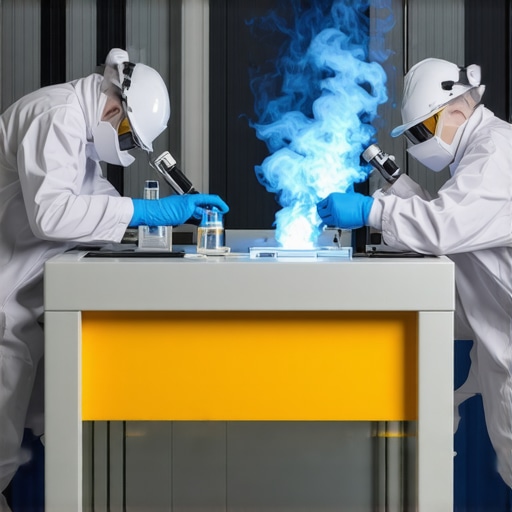
In the world of HVAC, especially up here in the frozen North, we deal with sensible heat and the brutal reality of carbon monoxide. When your furnace ignites, it’s not just ‘burning gas.’ It’s a chemical reaction. You have methane (CH4) mixing with oxygen (O2) to produce heat, water vapor, and CO2. If that ratio is off by even a fraction, you start producing Carbon Monoxide (CO), the silent killer. [IMAGE_PLACEHOLDER] Most guys in this trade think that if the flame is blue, it’s ‘good.’ That’s garbage. I’ve seen pretty blue flames putting out 2,000 parts per million of CO because the furnace repair services they received didn’t include a draft test or a flue pipe inspection.
“The most expensive equipment in the world cannot overcome a bad duct system or an unverified combustion process.” – Industry Axiom
Why Part Changes Require a New Baseline
When I perform a limit switch replacement, I’m not just fixing a safety; I’m diagnosing why it failed. Did the old switch fail because of age, or did it fail because the furnace is over-firing? If I swap a gas valve, the factory setting might be 3.5 inches of water column, but that doesn’t mean it’s right for your specific altitude or your specific flue pipe installation. Without a combustion analysis, I don’t know if I’m sending too much ‘juice’ into the burners. Over-firing leads to cracked heat exchangers. Under-firing leads to condensation in the vents, which rots out the metal from the inside out. Even a smart thermostat setup can hide issues by cycling the system too frequently, masking a short-cycling problem that only a probe in the flue will catch.
The Thermodynamic Zoom: Heat Exchangers and Latent Energy
In high-efficiency furnaces (90% AFUE and above), we aren’t just dealing with hot air. We are dealing with condensing gases. As the flue gases cool below their dew point, they release latent heat. This is why you see PVC pipes instead of metal ones. If the combustion isn’t dialed in, that condensate becomes highly acidic. It eats through the secondary heat exchanger like a soda through a paper straw. If you’ve invested in top hvac repair strategies, you need to ensure the tech isn’t just a part-tosser. A real tech understands that hydronic heating systems and gas furnaces both rely on the same laws of thermodynamics: you must match the fuel input to the heat dissipation capacity.
The Role of Leak Detector Integration
I always tell my apprentices that a leak detector integration isn’t just for the refrigerant side. We use electronic sniffers and soap bubbles on the gas lines, but the ultimate leak detector is the combustion analyzer. It tells us if the heat exchanger is integrity-compromised. If I see the O2 levels spike when the indoor blower motor kicks on, I know there’s a crack. The blower is pushing air into the combustion chamber. That’s a death sentence for the furnace, and it’s the only time I’ll agree with the Sales Tech about a replacement. But I prove it with numbers, not fear.
Ancillary Systems: UV Lights and Air Quality
While we are talking about the internal guts, let’s touch on UV light installation for HVAC. Some folks think it’s snake oil. It’s not, but it won’t fix a dirty furnace. If your combustion is dirty, you’re putting soot into the air, which negates the benefit of any air purifier. You need the flame clean before you worry about the microbes. It’s like putting a tuxedo on a guy who hasn’t showered in a month. Same goes for pellet stove repair; if the air-to-fuel ratio is off, you get creosote and smoke. Physics is universal, whether it’s wood pellets or natural gas.
“Any change to the fuel-burning characteristics of an appliance requires a full verification of the flue gas constituents.” – ASHRAE Standards
The 2025 Standard: Why You Can’t Skip the Analysis
As we move into 2025, the regulations are getting tighter. We are seeing heating service innovations that demand precision. Modern furnaces use ECM motors that can ramp up and down. If the airflow changes, the combustion changes. If you have a portable heater safety check done and then decide to run your main furnace, you need to know the main system is efficient. Efficiency isn’t just about saving five bucks on your gas bill; it’s about making sure the equipment isn’t killing itself through sheer mechanical stress. When I use ‘Pookie’ (mastic) to seal a duct, I’m increasing static pressure. That change in pressure can actually affect how the burners pull in air. Everything is connected.
The Math of Maintenance
Think of it this way: a combustion analysis costs about $150 to $200 as part of a deep-dive service. A new furnace is $6,000 to $12,000. By verifying that your limit switch replacement or gas valve adjustment was done correctly, you are extending the life of that heat exchanger by years. I’ve seen 30-year-old furnaces that look brand new inside because they were never allowed to over-fire. I’ve seen 5-year-old furnaces that were ready for the scrap heap because a ‘Sparky’ (electrician) or a DIYer messed with the gas pressure without a gauge. Follow preventative hvac repair tips and always demand the printout from the analyzer. If the tech doesn’t have an analyzer, send them home. They aren’t a technician; they’re a gambler.
The Final Diagnosis
In the end, comfort is physics, not magic. Whether you are looking for efficient hvac repairs or just trying to survive a polar vortex, the details matter. Don’t let a sales tech talk you into a system you don’t need, and don’t let a ‘handyman’ leave your family at risk of CO poisoning. Demand the science. Demand the analysis. Your furnace is a controlled explosion inside your home; make sure it stays controlled.