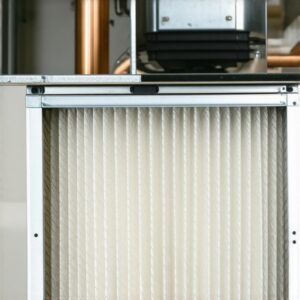
I once followed a ‘Sales Tech’ into a basement in the dead of a Minneapolis winter where he had quoted a young couple $14,000 for a full system replacement because of a ‘mystery’ crack in the heat exchanger. He told them the unit was just a lemon. I walked in, pulled the return air filter, and it was so loaded with pet dander and dust it looked like a slab of dirty felt. That $10 filter didn’t just stop the air; it murdered the furnace. The Sales Tech didn’t care about the ‘why’—he just wanted the commission. But if you don’t fix the airflow, the next unit will crack in five years too. Airflow isn’t just a suggestion; it is the lifeblood of thermodynamics. When you choke a furnace, you aren’t just making it work harder; you are physically warping the metal that keeps carbon monoxide out of your lungs. Most folks think a filter is there to clean the air they breathe. Wrong. A filter is there to protect the blower motor and the heat exchanger from becoming insulated with gunk. In cold climates where we rely on high-efficiency gas furnaces or cold climate heat pumps, the margin for error is razor-thin. If that blower can’t pull enough air across the heat exchanger, the heat has nowhere to go. It stays trapped inside the metal cells.
‘The most expensive equipment in the world cannot overcome a bad duct system.’ – Industry Axiom
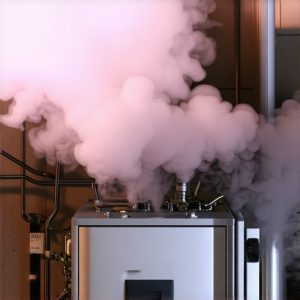
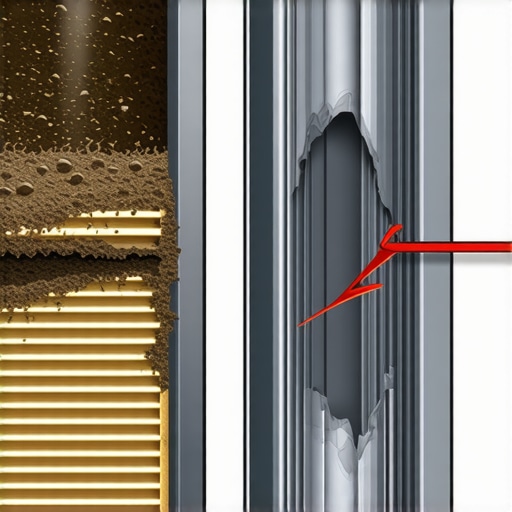
Inside your furnace, the heat exchanger is a series of metal tubes or plates where the actual combustion happens. It is the wall between the ‘bad air’ (flue gases) and the ‘good air’ (the stuff you breathe). When the furnace kicks on, that metal gets hot and expands. When the blower pushes cool return air over it, the metal cools and contracts. This is normal. However, when a dirty filter restricts that airflow, the heat exchanger reaches temperatures it was never designed to handle. It doesn’t just get hot; it glows. This extreme overheating causes the metal to expand past its elastic limit. When the unit finally hits the high-limit switch and shuts down to prevent a fire, the metal slams back into a cold state. Do this enough times, and the metal becomes brittle. It fatigues. Eventually, a microscopic stress fracture appears, usually near the tightest bends or the crimped seams. Once that crack opens, the blower motor—the ‘Tin Knocker’s’ best friend—starts pushing air into the combustion chamber, blowing the flames around. This is called flame rollout, and it is the fastest way to trigger a carbon monoxide detector installation alert. For those in the North, this is a life-or-death diagnostic. Modern furnace repair is urgent the moment that metal integrity is compromised. If you are running an older system, you might not even have the safety sensors to catch it before the ‘gas’ starts leaking into the vents.
‘Standard 62.1-2022 defines the requirements for ventilation and air quality, yet no amount of ventilation can compensate for a breached primary heat exchanger.’ – ASHRAE Standards
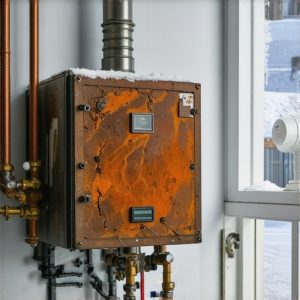
To understand the physics, we have to look at the ‘Static Pressure.’ Think of your HVAC system like a set of lungs. If you try to run a marathon while breathing through a cocktail straw, your heart is going to explode. In an HVAC system, the ‘heart’ is the blower, but the ‘lungs’ are the heat exchanger. When static pressure rises due to a clogged filter, the velocity of the air drops. This is why many furnace repair myths suggest that ‘thick’ HEPA filters are better. In reality, if your ductwork wasn’t designed for a high-MERV filter, you are essentially putting a pillow over your furnace’s face. You might be catching more dust, but you are also killing your $800 blower motor and cracking your $2,000 heat exchanger. For homeowners looking at heating service innovations, the move toward SEER2 compliant upgrades and variable-speed blowers helps, but even a smart thermostat setup can’t fix a physical blockage. If your smart thermostat keeps pinging you that the ‘system has been running for 3 hours without reaching setpoint,’ don’t just turn it up. Check the filter. You are likely hitting the high-limit cycle, where the furnace gets too hot, shuts off the burners, lets the fan run to cool down, and then tries again. This ‘short cycling’ is the thermal equivalent of bending a paperclip back and forth until it snaps. Beyond just the furnace, we see this in hybrid setups. Many people are moving to cold climate heat pumps paired with a gas backup. If the airflow is restricted during the heat pump cycle, the ‘gas’ (refrigerant) pressures skyrocket, potentially blowing a compressor valves. In the winter, you also have to worry about humidity. A humidifier installation can make the air feel warmer, but if that humidifier is leaking onto the heat exchanger because of poor maintenance, you get rust. Rust plus heat-cycling equals a crack every single time. This is why HVAC maintenance plans are not just ‘upsells.’ They are forensic inspections. A real tech—not a ‘Sparky’ moonlighting or a sales guy in a clean polo—will check the ‘temperature rise.’ We measure the air temp going in and the air temp coming out. If that delta is too high, we know the airflow is dying before we even look at the filter. We also look at the ‘Pookie’ (mastic) on the ducts to ensure no air is escaping before it hits the rooms. If you’re running a shop heater or a biomass boiler, the principles remain: heat must be moved. If it sits, it destroys. For anyone dealing with an older system, I always recommend a preventative HVAC repair approach. This includes energy recovery ventilators (ERVs) to keep fresh air moving without losing your heat, and ensuring your AC installation wasn’t botched by some ‘Tin Knocker’ who undersized the return air drop. If you hear a ‘pop’ or a ‘bang’ when your furnace starts or stops, that is the sound of metal oil-canning. It means the heat exchanger is already stressed. Don’t wait for the acidic smell of a burnout or the chirp of a CO alarm. Get a real tech out there who understands the psychrometrics of your home. Whether you need a right HVAC fix or a full SEER2 compliant upgrade, remember that airflow is king. You can buy the most expensive Trane or Carrier on the market, but if you feed it through a dirty 1-inch filter, you’re just buying a very expensive paperweight.