The Simple Reason Your Furnace Drain Pipe is Leaking Water All Over the Floor
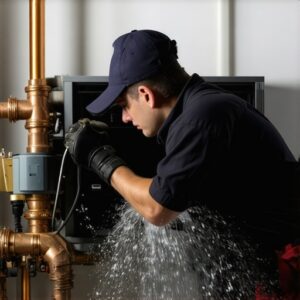
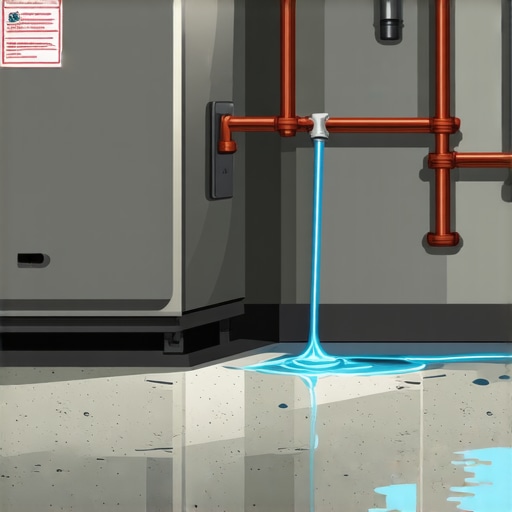
There is a specific kind of “puddle panic” that every homeowner eventually experiences. You walk into your basement or mechanical room, and instead of the usual dry concrete, you hear a faint squish. You look down to find a spreading pool of water originating from the base of your furnace. Your mind immediately jumps to the worst-case scenario: a cracked heat exchanger, a total system replacement, or a massive bill for drainage repairs.
My name is Terence Chan, and with over 12 years of experience as a Plumbing, HVAC, and Gas Contractor in the Lower Mainland, I have seen this exact scenario hundreds of times. Whether I’m helping a client with plumbing surrey bc or responding to an emergency in downtown Vancouver, the sight of a leaking furnace is one of the most common service calls we receive. The good news? While it looks like a disaster, the reason your furnace drain pipe is leaking is often a simple maintenance issue that can be resolved quickly – and sometimes even by the homeowner.
High-Efficiency Furnaces vs. Conventional: Why the Water?
To understand the leak, you first have to understand why your furnace is producing water at all. If you have an older, “conventional” furnace (one with a metal vent pipe), you shouldn’t see any water. These units are less efficient, meaning they lose a lot of heat through the chimney. That heat keeps the exhaust gases hot enough to stay in vapor form until they exit your home.
However, modern high-efficiency furnaces (rated 90% AFUE or higher) are designed to extract as much heat as possible from the fuel. They use two heat exchangers to squeeze out every bit of energy. By the time the exhaust gases reach the second heat exchanger, they have cooled down so much that the water vapor within them turns back into liquid water. This process is called condensation.
A high-efficiency unit can produce up to 5 to 6 gallons of water per day during peak winter operation. All that water has to go somewhere, which is why your furnace has a network of internal hoses, a condensate trap, and a PVC drain pipe. When this system fails, a drainage repair becomes inevitable. In the humid climate of the Pacific Northwest, ensuring this moisture is managed correctly is the difference between a warm home and a flooded basement.
The “Simple Reason”: The Clogged Condensate Drain Line
If you see water pooling around the base of your unit, the most likely culprit is a clogged condensate drain line. This is the “simple reason” mentioned in the title, and it accounts for the vast majority of furnace repair vancouver calls regarding leaks.
The Technical Cause: Biofilm and “Slime”
Inside your furnace and the PVC pipe that leads to your floor drain, a perfect environment exists for biological growth. Dust particles that bypass your filter mix with the constant moisture to create a nutrient-rich “soup.” Over time, this leads to the development of algae and a thick, gelatinous biofilm – often referred to by technicians as “white slime.”
As this slime builds up, it acts like a dam. Eventually, the water can no longer flow through the PVC pipe to the drain. The water backs up into the furnace’s internal collection pan. Once that pan overflows, you have a significant water leak that spills out onto your floor. This is particularly common during the transition from the cooling season to the heating season, as stagnant water from the summer AC usage provides the perfect breeding ground for these clogs.
If you are searching for a plumber burnaby or a technician in your local area, they will likely start by checking this line. It is the #1 point of failure for moisture management in modern HVAC systems.
4 Other Common Culprits for Furnace Leaks
While a clogged line is the most common issue, it isn’t the only one. As a professional hvac company Vancouver, we look for several other mechanical failures that can mimic a simple drain clog.
1. A Cracked Condensate Trap
The condensate trap is a plastic component (often black or clear) located inside or on the side of the furnace. Its job is to allow water to exit while preventing exhaust gases from entering your home. Because it is made of plastic, it can become brittle over time. If your furnace is located in an unconditioned space (like a crawlspace) and experiences freezing temperatures, the water inside the trap can freeze and crack the plastic, leading to a steady drip.
2. Condensate Pump Failure
In many homes, the furnace is located below the level of the main sewer line or far away from a floor drain. In these cases, a condensate pump is used to push the water up and out of the house. These pumps have a small reservoir and a float switch. If the pump motor burns out or the float gets stuck, the reservoir will overflow. If you notice your pump isn’t making its usual humming sound, it may be time to call for plumber coquitlam services to replace the unit.
3. Leaking Humidifier
Many Vancouver homes have whole-home humidifiers attached to the furnace. These devices use water to add moisture to the dry winter air. If the internal pad is clogged with mineral scale or the solenoid valve is stuck open, water can leak out of the humidifier housing and run down the side of the furnace. For more on this, check out our guide on fixing the water leak under your furnace: bypass humidifier repair tips.
4. Secondary Heat Exchanger Issues
This is the most serious cause of a leak. The secondary heat exchanger is where the condensation actually happens. If this component is failing or rusted through, it can leak water into areas of the furnace where it doesn’t belong. This is a critical safety issue and requires an expert plumber vancouver bc to diagnose, as it can sometimes lead to carbon monoxide risks.
DIY Troubleshooting: How to Clear the Line Yourself
If you’re handy and want to attempt a fix before calling for plumbing north van, follow these steps to clear a standard condensate clog.
- Step 1: Turn off the power. Safety first. Flip the service switch on the side of the furnace or turn off the breaker at the main panel.
- Step 2: Locate the PVC drain line. Look for the white plastic pipe exiting the furnace. Follow it to where it meets the condensate trap or the floor drain.
- Step 3: Use a wet/dry vac. This is the professional’s secret weapon. Take a shop vac to the end of the PVC pipe (where it empties into the floor drain). Create a seal with your hand or a wet rag and turn the vacuum on for about 30 seconds. This often sucks out the “slime” clog immediately.
- Step 4: Flush the line. If you can access the top of the drain line (some have a “T” junction with a cap), pour a mixture of warm water and a single drop of dish soap down the pipe. This helps clear out any remaining debris. Avoid using harsh chemical drain cleaners, as they can damage the plastic and the internal components of the furnace.
Professional technicians often use a “Gallo Gun” (which uses CO2 cartridges) or specialized bottle brushes found in a drain service near me toolkit. If the vacuum method doesn’t work, the clog may be deeper inside the furnace’s internal hoses.
When to Call the Professionals
While clearing a pipe is a great DIY project, there are times when you need to step back. If you have cleared the line and water is still appearing, or if the water is coming from inside the burner compartment, you need professional leak detection.
We provide expert plumbers surrey bc and plumbers west vancouver who can use specialized cameras and pressure gauges to find the source of the leak. You should also call a professional if:
- The furnace is making strange vibrating or humming noises (indicating a pump failure).
- There is water pooling near electrical components.
- You smell a “rotten egg” odor (indicating a gas leak or exhaust backup).
- You need a garburator fix or other kitchen plumbing tasks performed while the technician is on-site.
Remember, your furnace is a complex gas-burning appliance. While the drain pipe is just plumbing, the components it connects to are vital for your safety. If you are looking for plumbing vancouver bc or boiler repairs near me, always ensure the contractor is licensed and insured.
Prevention: Keeping Your Floors Dry Year-Round
The best way to handle a furnace leak is to prevent it from happening in the first place. Here are three steps every homeowner in the Lower Mainland should take:
- Annual Maintenance: A technician will flush your condensate trap and lines every year as part of a standard tune-up. This prevents the “slime” from ever reaching a critical mass.
- Change Your Filters: You might be surprised to learn that a dirty filter can lead to leaks. Dust that gets past the filter ends up in the condensate system. Furthermore, restricted airflow can cause the evaporator coil to freeze and then melt, overwhelming the drain system. Read more on how a dirty furnace filter actually cracks your heat exchanger.
- Air Duct Cleaning: Investing in air duct cleaning vancouver reduces the total amount of particulate matter circulating through your system, keeping your drain lines cleaner for longer.
For extra peace of mind, consider integrating a leak detector with your smart thermostat. These sensors can alert your phone the second moisture is detected, allowing you to shut down the system before the water causes damage to your drywall or flooring.
Conclusion
A leaking furnace drain pipe is a nuisance, but in most cases, it is not a death sentence for your HVAC system. Whether it’s a simple clog caused by Pacific Northwest humidity or a failing condensate pump, identifying the issue early is key to avoiding expensive plumbers surrey bc emergency visits.
If you’ve tried the DIY steps and still find yourself ankle-deep in water, or if you simply want the peace of mind that comes with a professional inspection, Heat Pros Services is here to help. We offer comprehensive plumbing services near me and emergency services plumbing throughout Vancouver and the surrounding municipalities.
Don’t let a small drip turn into a major flood. Contact us today for a system health check, or browse our other guides to learn more about maintaining your home’s vital systems, from whole-home dehumidification to identifying when furnace repair is urgent.