The Terminal Cold Sweat: Why Remote Access Isn’t a Luxury
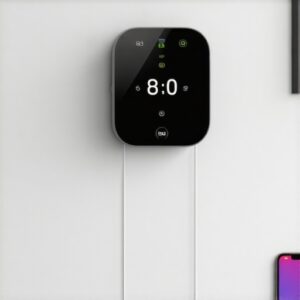
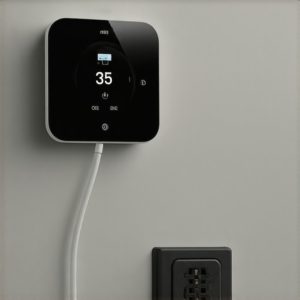
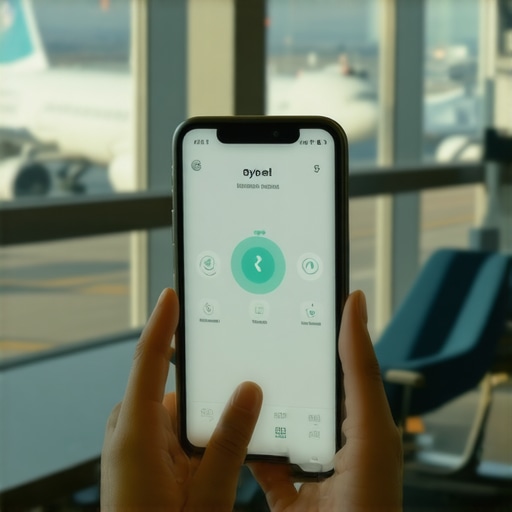
I was sitting at Gate B12, waiting for a flight to O’Hare, when the realization hit me like a liquid slug hitting a compressor: I’d left the thermostat set to 68 degrees, and I was going to be gone for ten days. In my thirty years of crawling through fiberglass-filled attics and dodging wasps on commercial rooftops, I’ve seen more systems killed by neglect than by age. My old mentor, a grizzled tin knocker who could smell a gas leak from the curb, used to scream at me, ‘You can’t cool what you can’t touch!’ He was talking about airflow, but in 2025, that rule applies to data too. If you can’t see what your system is doing from your phone, you don’t really own that HVAC unit; it owns you. Whether it is a residential split system or complex warehouse heating solutions, remote access is the only thing standing between you and a catastrophic failure while you are miles away.
“The most expensive equipment in the world cannot overcome a bad duct system, and the smartest system in the world is useless if it is disconnected from its operator.” – Industry Axiom
The Forensic Diagnosis: Why Smart Building Management Matters
When we talk about smart building management, most folks think of a fancy touchscreen. I think about static pressure and thermodynamic zooming. When you change your AC temp from the airport, you aren’t just moving a slider; you are adjusting the latent heat removal capacity of your evaporator coil. In a humid climate, if you set that temp too low via your remote app, and your system is oversized, you’ll end up with short-cycling. The unit cools the air (sensible heat) so fast that it never has time to pull the moisture out (latent heat). You come home to a house that feels like a cold, damp cave. This is why ac installation secrets always start with proper sizing. A smart setup allows you to monitor these cycles in real-time, ensuring that your low-GWP refrigerant retrofits are actually performing as intended without slugging the compressor.
The Anatomy of Remote Reliability: From Boilers to Furnaces
Remote access isn’t just for cooling. In the frozen North, a furnace lockout while you’re on vacation means burst pipes and a $50,000 insurance claim. I’ve seen it happen. Usually, it’s something stupid, like a dirty flame sensor. A quick furnace flame sensor cleaning before you head to the airport is cheap insurance, but a remote alert telling you the furnace is in ‘hard lockout’ is what saves the house. For larger structures, like school boiler maintenance or church heating systems, remote management is even more critical. These big iron beasts have massive thermal lag. If you wait until the congregation is in the pews to realize the boiler is down, you’ve already lost. We use demand-controlled ventilation and remote sensors to ensure the heat is rising hours before the first ‘amen’ is spoken. For those on the outskirts of the grid, propane conversion services often include tank monitoring that ties right into your smart building hub, so you never run dry during a polar vortex.
The 2025 Regulatory Cliff: A2L Refrigerants and Your Phone
We are currently staring down the barrel of the R-410A phase-out. The new ‘mildly flammable’ A2L refrigerants (like R-454B) are coming, and they require a whole new level of sensing. These units have leak detection sensors that will literally shut the system down if they sniff a problem. If you’re at the airport and your system goes offline, it might not be a Wi-Fi glitch; it might be the leak sensor doing its job. This is why heating service innovations are focusing so heavily on connectivity. You need to know if your system is dead because of a tripped breaker or because it’s venting ‘juice’ into the mechanical room. Dealing with these high-stakes sensors is one of the many top hvac repair strategies we discuss with clients moving into the new regulatory era.
The Physics of Comfort: Radiant Floors and Dehumidification
It’s not all about blowing air. Radiant floor heating installation is the gold standard for comfort in cold climates, but it has the speed of a freight train. You can’t just ‘turn it up’ when you get home; you need to trigger that slab three hours before your plane lands. Similarly, in the South, dehumidification services integrated into your remote setup ensure that ‘pookie’ (mastic) sealed ducts aren’t sweating in the crawlspace while you’re away. If your humidity spikes above 60% while you’re at the beach, your remote app should be screaming at you. This level of control is what separates a professional setup from a ‘sparky’ just slapping a thermostat on the wall. For those looking to maximize their system’s lifespan, following top hvac repair strategies often involves using these remote tools to catch small issues before they become ‘cracked heat exchanger’ sized problems. Don’t fall for the furnace repair myths that claim smart thermostats ‘wear out’ your equipment; if programmed correctly, they do the exact opposite.