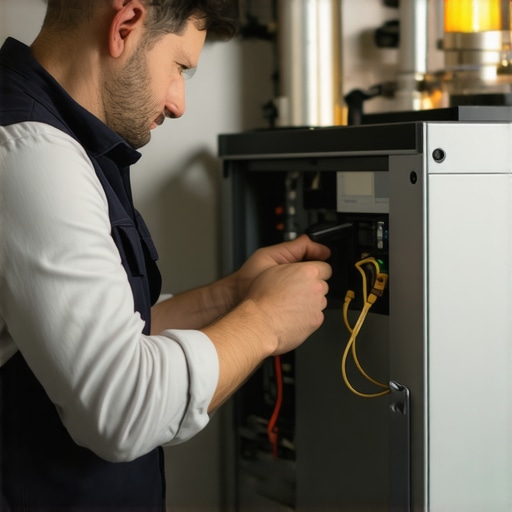
I remember a chilly winter evening when my furnace suddenly stopped working just as I was settling in for a cozy night. Panic set in. I was overwhelmed and frustrated, unsure if I could trust the repairs or even get reliable help. That moment made me realize how vital a dependable heating system is and how vital it is to rebuild trust—both in your system and your service providers—when things go wrong.
Why Restoring Trust in Your Heating System Matters Now More Than Ever
In the dead of winter, a malfunctioning furnace isn’t just an inconvenience; it’s a threat to your comfort and safety. Reliable heating sustains your health, keeps your home warm and inviting, and saves you money in the long run. Yet, many homeowners find themselves hesitant after poor service experiences or repeated breakdowns. The challenge isn’t just fixing the furnace; it’s restoring confidence in your system and the technicians working on it.
This is where I learned that effective furnace repair isn’t just about immediate fixes; it’s about long-term reassurance. A well-executed repair rebuilds trust, ensures durability, and keeps your home warm all winter. And believe me, recognizing the importance of trust makes all the difference in choosing the right help. Contemporary industry standards, like those discussed in furnace repair myths, emphasize transparency and expertise, which are essential in rebuilding your faith in HVAC professionals.
If you’ve ever faced an unexpected breakdown or questioned whether your technician would show up or do the job right, you’re not alone. Many homeowners grapple with these fears. But the good news is, with the right knowledge and guidance, you can turn these challenges into opportunities for lasting trust and warmth.
Will My Furnace Ever Work Properly Again? Here’s How to Be Sure
Honestly, I’ve made my share of early mistakes—like trusting a technician without checking credentials or rushing into repairs without understanding the root problem. These missteps not only cost time and money but also chipped away at my confidence. That’s why I now advocate for a proactive approach. Learning how to identify urgent repairs and understanding industry best practices can help you make smarter choices. For instance, exploring reliable repair strategies can show you what to prioritize and how to evaluate your options effectively.
So, if you’ve been burned by subpar service or just want to ensure your system’s future reliability, stay with me. Next, we’ll dive into practical, proven steps to build that trust back—starting with understanding common issues and how professional repairs address them.
Diagnose the Root Issue Methodically
Start with an honest assessment of your furnace. Think of it as a doctor diagnosing an illness—skipping steps risks missing critical problems. I once encountered a furnace that kept shutting off unexpectedly. Instead of guessing, I checked error codes and inspected components systematically, much like consulting an HVAC expert to identify the exact fault. This approach prevents unnecessary repairs and saves time, ensuring your repair efforts are targeted and effective. Learn how to identify urgent repairs.
Prioritize Professional Expertise Over Quick Fixes
Attempting DIY repairs on complex systems is like trying to fix a car engine with a hammer—more harm than good. I remember trying to tighten a loose vent connection myself, which only worsened the problem. Instead, I contacted certified technicians who used specialized tools to fix the issue correctly the first time. This expertise rebuilds your confidence in your system and ensures lasting results. Explore reliable repair strategies.
Request Transparent Assessment and Clear Estimates
When scheduling repairs, demand transparency. Think of this step as getting a detailed map before embarking on a journey—without it, you’re lost. During my last repair, I asked for a written estimate. The technician explained each charge and the scope of work, which kept surprises at bay and increased my trust. Transparent assessments involve explaining the problem, detailing the repair options, and providing upfront costs. Visit how to evaluate repair options.
Follow Up and Confirm System Performance
Post-repair, don’t just assume everything is fixed. Like an artist reviewing their work, check your furnace’s performance after repairs. I once initially overlooked a leak that re-emerged days later because I didn’t verify the fix. Always run your furnace through a full cycle, listen for unusual sounds, and observe for proper heating. Professionals who offer follow-up services help reinforce trust and ensure the durability of repairs. For detailed guidance, see strategies to extend your system’s lifespan.
Maintain Your System Regularly
Prevention is better than cure. Think of routine maintenance as a health check-up—preventing issues before they occur. I schedule annual inspections and filter replacements, which catch minor problems early. This proactive approach ensures consistent performance and fosters confidence in my system’s reliability. Learn more about preventative maintenance tips.
Despite the abundance of advice on HVAC maintenance and repair, many homeowners still operate under misconceptions that could compromise their systems’ long-term health. One common myth is that all repairs are essentially the same, regardless of who performs them or how they are done. In reality, the nuances of professional HVAC repair go far beyond quick fixes, involving industry-specific standards and sophisticated diagnostics that ensure lasting results. For example, industry experts emphasize the importance of adhering to efficient HVAC repair protocols that improve system performance and longevity.
What Advanced Mistakes Do Households Often Overlook in HVAC Procedures?
A significant oversight is neglecting the calibration of thermostats after repairs. Many assume that fixing the hardware resolves all temperature inaccuracies, but improper calibration can cause inconsistent heating or cooling, leading to higher energy bills and reduced comfort. Experts warn that this subtle mistake often undermines repair efforts and trust in HVAC systems. According to a study by the Building Performance Institute, calibrated thermostats can improve heating efficiency by up to 15%, highlighting the importance of precision in even the smallest adjustments.
Another critical nuance is understanding the difference between restoring functionality and optimizing system efficiency. A common trap homeowners fall into is accepting a repair as ‘fixed’ once the system turns back on. However, without evaluating overall performance, users miss out on potential upgrades or adjustments that could significantly reduce long-term costs. For instance, implementing preventative maintenance techniques can uncover small issues that, if left unaddressed, become major failures later.
Let’s not forget the importance of selecting the right repair approach—whether it involves component replacement, system recalibration, or software updates. In some cases, a quick fix might temporarily solve the problem but could lead to recurring issues. Conversely, a comprehensive overhaul, though initially costlier, may deliver more durable results and restore homeowner confidence. It’s crucial to differentiate between these strategies and understand when investing in a more thorough solution is justified. For further guidance on this, check out how to choose the right HVAC fixes.
Always remember that true expertise in HVAC repair involves meticulous diagnostics, use of high-quality parts, and adherence to safety standards—all aimed at ensuring your system performs flawlessly for years to come. Recognizing these nuances helps you avoid costly pitfalls and builds genuine trust with your service provider. Have you ever fallen into this trap? Let me know in the comments and share your experiences!
How do I maintain my HVAC system over time to ensure reliable performance?
Maintaining your heating, ventilation, and air conditioning (HVAC) system isn’t just about quick repairs—it’s about adopting a strategic approach with the right tools and practices to ensure longevity and efficiency. One of my go-to tools for ongoing diagnostics is the min/max refrigerant gauges. I personally prefer the Testo 557s because of its precise readings and user-friendly interface, which help me quickly identify refrigerant imbalances that can cause inefficiency or compressor stress.
In addition, I consistently utilize digital multimeters like the
For software solutions, I recommend HVAC diagnostic apps that facilitate machine error code analysis. Using these apps, I can interpret error codes from digital thermostats or control boards, enabling me to implement targeted repairs rather than guesswork fixes.
But tools alone aren’t enough—adopting best practices like scheduled filter changes, coil cleanings, and chemical flushes of the condenser and evaporator coils are vital. I rely on alkaline coil cleaners like Enviro-Solutions Coil Cleaner because they effectively remove buildup without damaging sensitive components, ensuring optimal heat transfer.
Predicting the future of HVAC maintenance, I believe the trend will tilt increasingly toward integrated IoT sensors that monitor system performance remotely. This will enable proactive maintenance, minimizing unexpected failures and extending equipment lifespan. To stay ahead, tech-savvy homeowners should consider investing in smart thermostats paired with diagnostic sensors.
What common maintenance mistake can sabotage your HVAC’s long-term health?
One mistake I see often is neglecting to calibrate thermometers and control systems after repairs or component replacements. Even minor misalignments can cause your system to cycle improperly, increasing wear and tear. According to industry experts, proper calibration can improve system efficiency by up to 15%, which is significant over time. For a comprehensive approach, check out this guide on efficient repairs for detailed calibration techniques. I encourage you to try calibrating your thermostat following manufacturer instructions or with a qualified technician to prevent unnecessary strain and improve comfort. Remember, investing time in proper calibration now can save you costly repairs later and keep your system running smoothly for years to come.
The Hardest Lesson I Learned About HVAC repair,furnace repair,heating service,AC installation
One of my most profound lessons was realizing that trust isn’t built overnight—it’s earned through consistent, transparent, and expert service. Jumping into quick fixes without thorough diagnostics only led to repeat issues, undermining confidence in the system and the technicians. Now, I know that patience and due diligence pave the way for lasting peace of mind.
3 Myths About HVAC repair,furnace repair,heating service,AC installation That Held Me Back
I used to believe that all repairs were interchangeable and cheap fixes would suffice. It wasn’t until I understood the importance of quality parts, expert calibration, and industry standards that my system’s performance truly improved. Discarding these myths opened my eyes to smarter, more effective solutions.
What Experts Won’t Tell You About HVAC repair,furnace repair,heating service,AC installation
Many seasoned professionals keep a few secrets—like the significance of proper system calibration and the benefits of preventative maintenance—that can drastically extend your system’s lifespan. Learning these insights from industry leaders transformed my approach from reactive repairs to proactive care, saving money and preventing stress.
Curated Resources to Elevate Your HVAC Knowledge
My top recommendation is the blueprint for efficient HVAC repairs. It offers comprehensive strategies that help homeowners understand the essentials of lasting repairs. Additionally, exploring industry myths debunked has kept me informed and cautious. For hands-on guidance, I rely on trusted tools like the strategies to extend system lifespan, ensuring my system stays in top shape.
Embrace the Next Step with Confidence
Your journey toward reliable, efficient HVAC performance is within reach. Remember, every repair and maintenance effort you invest builds trust—not just in your system but in your ability to care for it wisely. Small steps like routine checks, understanding repair nuances, and seeking expert advice empower you to create a warmer, safer home environment. Take charge today and transform potential frustrations into opportunities for lasting comfort.
http://Linda%20Carter
Reading this post resonated with my own experience of dealing with a faulty furnace last winter. I remember feeling helpless and unsure whether I could trust the repair work done by technicians who seemed to rush through the job. Since then, I’ve learned the importance of hiring professionals who follow industry standards, prioritize transparency, and provide detailed assessments. One thing I’ve found helpful is always requesting a written estimate and asking questions about the specific repairs needed, which genuinely builds confidence.
Also, I agree that follow-up is crucial. After my last repair, I ran my furnace through a full cycle and checked for any unusual noises or hot spots. It’s amazing how small checks can prevent bigger issues down the line. Do others find that maintaining a checklist of post-repair tests helps them feel more assured about system reliability? Especially in areas with harsh winters, I think regular maintenance and clear communication with service providers are the best ways to keep trust and warmth consistent.
http://James%20Morgan
This post really hits home on how crucial it is to rebuild trust with your heating system after setbacks. I learned firsthand that choosing certified technicians who follow clear industry standards can make a huge difference. One thing I do now is always ask for a detailed breakdown of repairs and check in afterward to see how the system performs during a full cycle. It’s surprising how small steps like these can foster long-term confidence. Also, I’ve started scheduling regular maintenance even when everything seems fine, just to catch small issues early.
Has anyone experimented with advanced diagnostic tools or smart thermostats to monitor their systems remotely? From my experience, these add layers of assurance because you can spot problems before they escalate. It made me wonder: what other smart solutions are homeowners using to maintain trust and efficiency in their HVAC systems? Any specific brands or features you’ve found especially helpful?
http://Grace%20Winters
Reading your post really highlights how crucial it is to approach furnace repairs with a strategic and informed mindset. I’ve learned from my own experience that trusting certified and transparent technicians makes a huge difference in maintaining future confidence in the system. A tip I found helpful was always asking for detailed explanations of what repairs are needed and requesting written estimates upfront. It’s helped me avoid unnecessary repairs and false alarms. Also, I’ve started using smart thermostats with remote monitoring features, which allow me to keep an eye on my system’s performance and catch small issues early.
I’d be interested to hear from others — have you incorporated any technological tools or maintenance routines that give you peace of mind? For example, do you use specific diagnostic apps or sensors that help you track system health between professional checkups? I believe that combining expert repair with smart home solutions could be the key to building long-term trust and ensuring consistent warmth. What has been your experience with these approaches?