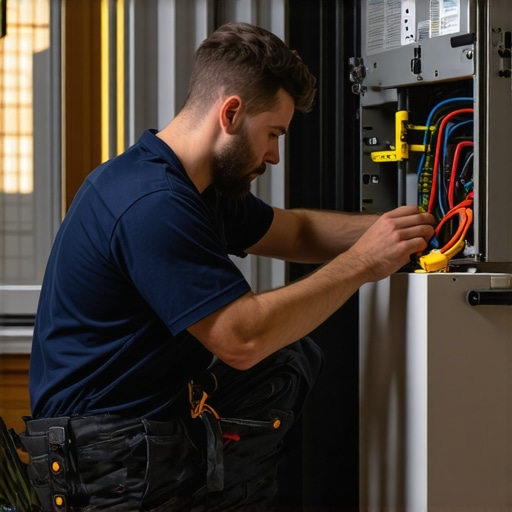
It was a freezing winter night when I first heard that unsettling clank from my furnace. My heart sank. The heater had been acting up for weeks, but I’d ignored the subtle warning signs—dirty filters, uneven heating, strange noises. That night, with the chill seeping into my bones, I faced the uncomfortable truth: my HVAC system was failing, and I couldn’t afford a breakdown in the middle of winter. I knew I had to get it fixed fast, but the overwhelm of choosing the right service and trusting the repair process was real.
Why Trusting the Right HVAC Repair Matters More Than Ever in 2024
Sometimes, it takes a crisis to realize how vital a functioning heating, ventilation, and air conditioning system truly is. We rely on these systems daily for comfort and safety, yet many homeowners underestimate their importance until something goes wrong. The frustrations of dealing with unreliable technicians, costly repairs, or poor-quality repairs can leave you feeling helpless.
From my personal experience, the first mistake I made was hiring the cheapest contractor I could find. Big mistake. Not only did the problem recur, but I also realized that trusting a reputable professional is essential for long-term peace of mind. That’s why I started digging deeper, learning what separates good HVAC repair from the rest. And let me tell you, there’s a lot more at stake than just getting warm in winter. According to industry experts, improper repairs can lead to higher energy bills and even system failure sooner than expected – a costly mistake no homeowner wants to make.
If you’ve ever been faced with a sudden heating crisis, or simply worry about your system aging and losing efficiency, this is the moment to take control. In this post, I’ll share the practical steps I learned for choosing trustworthy heating and cooling services—so you can restore your confidence and comfort without stress. Ready to discover how to avoid common pitfalls and ensure your HVAC system’s longevity? Let’s get started.
Is DIY HVAC Repair Really Worth the Risk?
When my furnace started acting up, I wondered—can I do this myself? Honestly, I learned quickly that DIY repairs can sometimes do more harm than good. Early on, I tried to fix a faulty thermostat myself, only to make the problem worse. It’s a common mistake many homeowners make, and it underscores why professional expertise matters. Proper diagnosis and repair aren’t just about fixing the inconvenience; they’re about safety, efficiency, and avoiding costly mistakes. If you’re skeptical about hiring a pro, I suggest reading more on common HVAC repair myths, which many homeowners believe—sometimes to their detriment. Check out [this resource](https://heatprosservices.com/furnace-repair-myths-debunked-by-industry-experts) to learn what misconceptions might be holding you back from making the right decision.
Assess the Damage Accurately
Start by identifying the specific issue with your furnace or AC. Listen for unusual noises, check for inconsistent heating or cooling, and examine the thermostat for errors. Remember, a precise diagnosis prevents unnecessary repairs and saves money. I learned this firsthand when my heater wouldn’t ignite; I initially assumed it was just a dirty filter but later discovered a faulty ignition switch after testing with a multimeter.
Prepare for the Repair Process
Before calling a technician, ensure your system’s power supply is turned off to avoid electrical hazards. Gather relevant information such as the model number, age of the unit, and a description of symptoms. This preparation helps the technician diagnose promptly. When I called a pro for my furnace issue, providing detailed observations expedited the repair process, reducing my downtime and discomfort.
Choose the Right Repair Service
Don’t settle for the first technician you find. Seek reputable providers with good reviews and proper licensing. Use resources like this guide to evaluate potential contractors. I once mishired a cheaper, unlicensed technician; it resulted in recurring problems and costly fix-alls. Investing in trusted professionals ensures durable solutions and peace of mind.
Understand Common Repair Techniques
Technicians use specific methods depending on the problem. For instance, fixing a faulty fan motor involves testing wiring and replacing worn bearings. Replacing a thermostat requires calibration and wiring checks. It’s useful to understand these steps so you can ask informed questions or know what to expect. For example, I watched a video on HVAC repair strategies, which demystified some of the process and made me more confident during their visit.
Inspect and Test the Repair
After the repair, verify that your system operates correctly. Turn on the unit and observe for proper cycling, noise levels, and temperature consistency. Use a thermometer to cross-check heated or cooled air. If issues persist, contact your technician promptly. Remember, a reputable HVAC repair company will stand behind their work and address these concerns efficiently.
Establish Preventative Measures
Long-term system health depends on regular maintenance. Schedule annual inspections, change filters regularly, and keep vents clean. These simple steps can prevent emergency repairs and extend your system’s lifespan. I now set reminders for seasonal checkups, which help me catch problems early and avoid costly breakdowns, especially during harsh winters or hot summers. For guidance, explore preventative HVAC tips.
While many believe that choosing the cheapest repair service guarantees savings, this mindset often backfires, leading to recurring issues and higher costs — a common misconception debunked by industry experts, as outlined here. Similarly, there’s a widespread myth that more expensive service always equates to better quality, but the reality is nuanced: certifications, experience, and transparent communication matter more than price alone. An advanced mistake homeowners often make is assuming all HVAC technicians are equally skilled; however, expertise in specific systems can significantly influence repair outcomes, a point highlighted in recent industry insights. One critical trap to avoid is neglecting system diagnostics before repair—this oversight can lead to misdiagnosis, unnecessary parts replacement, and increased expenses. Instead, investing in comprehensive diagnostics ensures targeted and effective solutions. For those wondering about advanced repair considerations, understanding the interplay between system components can make a difference. For instance, a minor thermostat calibration might seem trivial but can impact overall system efficiency and lifespan. Experts advise that regular maintenance combined with expert diagnostics helps catch issues early and extend equipment longevity, as discussed here. Remember, the goal isn’t just fixing the immediate problem but ensuring lasting performance and safety. Be cautious of quick fixes that address only symptoms; instead, prioritize comprehensive solutions from qualified professionals. Have you ever fallen into this trap? Let me know in the comments.Maintaining your HVAC system’s optimal performance over time requires not just regular service but also the right tools and methods. One indispensable tool I personally rely on is a high-quality digital multimeter. It allows me to precisely test electrical components like thermostats, relays, and circuit boards—crucial steps before scheduling repairs or replacements. Using a multimeter, I can verify voltage levels and continuity, ensuring electrical safety and system longevity. Another tool I recommend is a manifold gauge set, which I use during refrigerant checks to monitor pressure levels accurately. Proper refrigerant charge is vital for efficiency and preventing compressor damage, and investing in a good gauge set pays off in the long run. Additionally, I utilize a magnetic motor puller for quick fan motor replacements, making the task safer and more efficient without risking damage to delicate parts. On the software side, I prefer apps like HVAC Check & Service to log system diagnostics, schedule maintenance reminders, and track repair histories. These digital logbooks help identify recurring issues and plan proactive maintenance, ultimately extending your system’s lifespan. Modern HVAC trends point toward integrating smart thermostats and IoT sensors, which provide real-time monitoring and diagnostics directly to your smartphone. These innovations allow for predictive maintenance, catching problems before they escalate. According to industry expert Andrew Johanson from HVACTechTips, “Investing in diagnostic tools that provide real-time data not only reduces downtime but also enhances overall system reliability.” In the future, I predict a shift toward fully integrated smart systems that automate maintenance alerts and optimize energy efficiency seamlessly. An immediate step you can take is to perform a refrigerant pressure check using a manifold gauge set—if you’re comfortable with basic HVAC principles, it’s a straightforward way to catch refrigerant leaks early. Regularly using these precise tools and adopting new digital methods can transform your approach to HVAC maintenance, saving money and extending system life. Start by trying the refrigerant pressure check; and remember, troubleshooting can be more effective when paired with expert consultation from trusted [HVAC professionals](https://heatprosservices.com/contact-us).
Unearthing Hidden Lessons in HVAC Repairs
One of the most surprising insights I gained was how vital it is to consider the long-term health of your system over just quick fixes. Focusing solely on immediate relief can often lead to recurring problems that drain your budget and patience.
Another revelation was realizing that not all professionals are created equal. Investigating their certifications, experience, and customer reviews makes a huge difference in ensuring durable repairs.
Lastly, I learned that equipping myself with some basic diagnostic tools transforms the repair experience. When I started using tools like a multimeter, I gained confidence and better communication with technicians, leading to more accurate and lasting solutions.
My Arsenal of Tools and Trusted Sources
- HVAC Check & Service App: This app helps log diagnostics and schedule maintenance, keeping my system in check and preventing emergencies.
- Manifold Gauge Set: Great for refrigerant checks to identify leaks early—saving money and extending system lifespan.
- Digital Multimeter: Essential for testing electrical parts safely and accurately, ensuring system safety and efficiency.
- Industry Blogs and Resources: I trust this guide for tips on choosing professionals, and industry myths that can save you from costly mistakes.
Take Action and Keep Moving Forward
Armed with the right knowledge, tools, and resources, you can confidently navigate HVAC repairs and maintenance. Remember, investing in quality repair and consistent upkeep not only saves money but also ensures your comfort and safety through every season. Don’t wait until a crisis strikes—start implementing these lessons today and stay ahead of costly emergencies.
What’s the biggest HVAC myth you’ve encountered that misled you? Share your experience below—I’d love to hear your stories and help you debunk more myths!