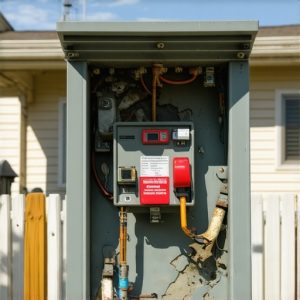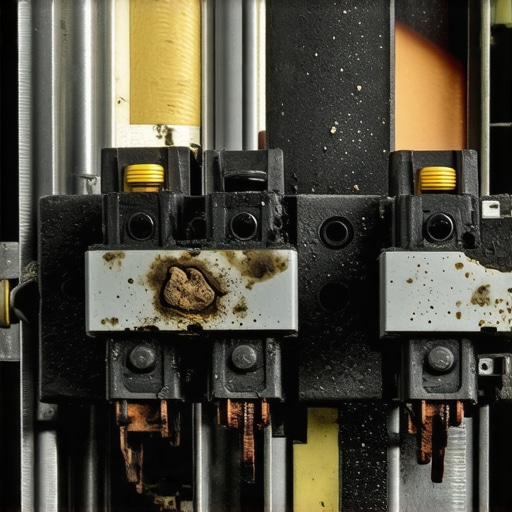
I once rolled up to a driveway in a high-end suburban development, the kind where the lawns are manicured to the millimeter, only to find a ‘Sales Tech’ from one of those big-box conglomerates already halfway through a pitch for a full system replacement. He’d told the homeowner, a retired engineer, that his compressor was ‘internally shorted’ and the whole five-ton unit was junk. He was quoting $14,500 for a new install. I asked the kid for his resistance readings on the compressor windings, and he looked at me like I was speaking ancient Greek. After he cleared out with his shiny clipboard, I pulled the service panel. The compressor wasn’t shorted; the contactor points were simply so charred and pitted they looked like they’d been hit by a miniature lightning bolt. A $50 part and fifteen minutes of work saved that homeowner a fortune. This is the state of the industry: people want to sell you a box instead of understanding the physics of a circuit. When we talk about HVAC repair, we’re talking about the difference between a mechanical failure and a simple electrical bottleneck. This is the forensic diagnosis of the silent killer: the burned contactor.
The Mechanical Anatomy of an Electrical Gatekeeper
The contactor is essentially the heart’s electrical switch. It’s a heavy-duty relay that takes a low-voltage signal from your thermostat and slams a set of silver-plated points together to allow 240 volts of ‘juice’ to flow into the compressor and condenser fan motor. It’s a violent action that happens thousands of times a season. Every time those points close, there is a tiny arc of electricity—a spark that generates intense heat. Over time, this arcing creates carbon buildup and ‘pitting’ on the surface of the metal. Thermodynamic Zooming tells us that heat is the enemy of efficiency. When those points are pitted, they create electrical resistance. Resistance generates more heat. Eventually, the metal becomes so deformed that it either welds shut (keeping the unit running until it freezes the coil) or develops so much carbon that the current can’t jump the gap. This is where the predictive maintenance alerts of modern smart systems are worth their weight in gold; they can often sense the voltage drop before the component fails entirely.
“The most expensive equipment in the world cannot overcome a bad duct system, and it certainly cannot survive a failure in its primary electrical switching components.” – Industry Axiom
In a high-humidity environment, the stakes are even higher. If you are dealing with the need for dehumidification services, your AC isn’t just a cooling machine; it’s a water-removal factory. The evaporator coil must drop below the dew point to wring moisture out of the air. If a burned contactor causes the unit to ‘chatter’ (rapidly opening and closing), the compressor never reaches its steady-state operating pressure. This prevents the latent heat removal necessary for comfort. You end up with a house that is 72 degrees but feels like a Louisiana swamp because the humidity is still at 70%. This is why demand-controlled ventilation and proper electrical health are inseparable; you can’t manage air quality if the ‘sparky’ side of the machine is failing.
The Physics of the Arc: Why Points Burn
Why do these points fail? It isn’t always just age. Sometimes it’s ‘The Ants.’ In many regions, sugar ants are attracted to the electromagnetic field of a closing contactor. They crawl between the points, get squashed when the unit turns on, and their charred remains create a layer of insulation that prevents electrical contact. Other times, it’s low voltage from the utility company during a heatwave. If the 24V coil doesn’t have enough ‘oomph’ to pull the bridge down firmly, the points dance against each other, creating a plasma arc that melts the silver coating in seconds. This is why I always recommend MERV filter upgrades and regular coil cleaning; if the unit is struggling with airflow, it cycles more frequently. More cycles mean more arcs. More arcs mean a dead contactor. It’s a feedback loop of mechanical stress. If you’re looking for top hvac repair strategies to extend your systems life, checking the contactor for ‘pitting’ is step number one.
Repair vs. Replace: The $14,000 Question
When I see burned points, I’m looking at the compressor’s health. If the contactor is melted, I have to check if the ‘juice’ was flowing properly or if the compressor was pulling too many amps because it’s dying. However, 9 times out of 10, the contactor is the victim, not the criminal. A homeowner needs to know that a pitted contactor is a maintenance item, not a reason to scrap a system. This is where the ‘Tin Knockers’ and the service techs differ. A service tech wants to keep the mechanical integrity of the machine alive. We look at geofencing temperature control not just as a luxury, but as a tool to reduce unnecessary cycles that wear out these electrical components. We also look at the bigger picture of home comfort, including radiant floor heating installation for the winter months and ensuring portable heater safety checks are done so you don’t burn the house down trying to save a buck on the gas bill. Understanding choosing the right hvac fixes what homeowners need to know is about distinguishing between a component failure and a systemic catastrophe.
“Failure to maintain clean electrical contacts results in an exponential increase in compressor motor temperature, leading to premature winding insulation breakdown.” – ASHRAE Standards
The Total Home Thermal Envelope
Comfort isn’t just about the AC unit in the backyard. It’s about the entire thermal envelope. This includes your pool heater repair needs and spa heater services, which often share the same electrical supply logic as your home’s HVAC. If you have a dirty contactor on your AC, chances are your pool heater’s electrical components are also oxidizing in the salt air. It’s all part of a preventative mindset. Don’t wait for the ‘sound of silence’ on a 100-degree day. If you hear a loud ‘buzzing’ or ‘chattering’ sound coming from your outdoor unit, that is the contactor screaming for help. It’s the sound of metal melting. Addressing it early is the difference between a minor service call and a ‘Sales Tech’ trying to buy a new boat on your dime. For more on this, see preventative hvac repair tips for year-round efficiency. Remember, airflow is king, but electricity is the king’s master. Without a clean, solid connection at the contactor, all the ‘Pookie’ and mastic in the world won’t keep you cool. Stick to the physics, ignore the sales pitch, and keep your points clean.