The Physics of the Flue: Why Your Wood Stove is an Air Thief
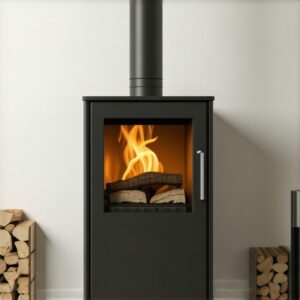
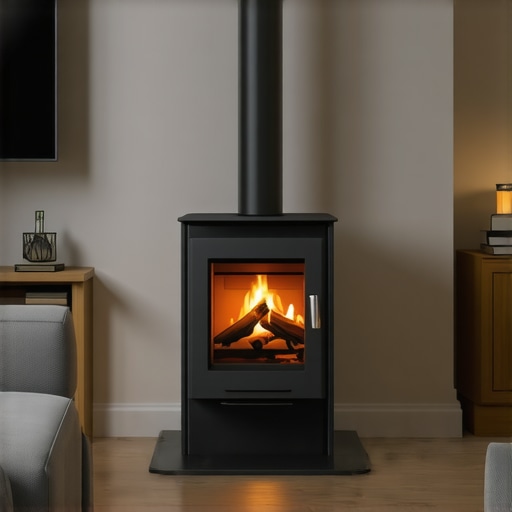
My old mentor used to scream, ‘You can’t cool what you can’t touch, and you can’t burn what you can’t breathe!’ He was a grizzled old tin knocker who understood that airflow isn’t just about comfort; it is about survival. This is why I get a sour taste in my mouth when I see a ‘Sales Tech’ try to slap a wood stove into a 1920s masonry chimney without a liner. They are selling a fire hazard, not a heating solution. When we talk about chimney liner requirements for new wood stove installations, we are talking about the fluid dynamics of combustion. A wood stove is a sensible heat powerhouse, but if that smoke hits a cold, oversized brick chimney, it slows down, cools below the dew point, and deposits creosote. That’s how you turn a cozy evening into a structure fire. If you are worried about your current setup, understanding how to identify when furnace repair is urgent is the first step in home safety. This is not magic; it is physics.
“Masonry chimneys shall be lined. The liner shall be continuous from the fireplace throat or the smoker chamber to the chimney top.” – NFPA 211 Standard for Chimneys, Fireplaces, Vents, and Solid Fuel-Burning Appliances
The Forensic Diagnosis: Anatomy of a Choked System
The first thing I look for when I walk into a house that ‘smells like a campfire’ is the draft velocity. If you are running a new high-efficiency wood stove into an unlined masonry chimney, you are fighting a losing battle against atmospheric pressure. A modern stove needs a 6-inch stainless steel liner to maintain the ‘stack effect.’ Without it, the flue gases linger in the oversized brick cavity, losing their buoyancy. I’ve seen draft inducer motor repair calls on wood-integrated systems where the motor was caked in acidic soot because the draft was so poor the smoke backed up into the mechanicals. If your system sounds like a dying cat, you probably have a bearing failure in that motor. It is the same principle we see in multi-family heating upgrades: if the venting isn’t matched to the appliance’s BTU output, the physics will eventually break the hardware.
The Critical Role of MERV Filter Upgrades and Air Purification
Wood stoves are notorious for ‘burping’ smoke during startup. This is where air purification integration becomes a non-negotiable part of your HVAC ecosystem. You can’t just rely on the chimney; you need to manage the indoor air quality. I always recommend MERV filter upgrades to at least MERV 13 to trap those fine particulates that escape when you open the stove door. But be careful—if your blower motor isn’t rated for a high-static filter, you’ll burn out the motor faster than a cheap sparky can wire a contactor repair. You have to balance the filtration with the system’s ability to move air. If you’re confused about the technical specs, choosing the right HVAC fixes is crucial before you start swapping parts.
Supplementary Heating: Baseboard and Infrared Solutions
In the North, where the polar vortex makes even the best wood stove struggle, we often look at baseboard heater repair or infrared heater installation for those stubborn cold spots. Infrared is great because it heats objects, not air—perfect for a drafty workshop or a crawl space heating solution where you need to prevent pipes from bursting without heating the entire earth. These systems are simple, but they still need a dedicated circuit. If I see one more homeowner try to tap a baseboard heater into a lighting circuit, I’m going to retire early. It is a load-calc nightmare. We often see these issues during multi-family heating upgrades where the original electrical was never meant to handle the amperage of modern supplemental heat.
“The cross-sectional area of the flue shall not be less than the cross-sectional area of the appliance flue collar.” – International Residential Code (IRC) Chapter 18
Financing the Future: Heat Pumps and Warranty Plans
The 2025 transition is hitting us hard. With the phase-out of certain refrigerants and the push for electrification, financing for heat pump installs has become the ‘get out of jail free’ card for many homeowners. A hybrid system—wood stove for the deep freeze and a high-efficiency heat pump for the shoulder seasons—is the gold standard. To protect that investment, look into warranty service plans. A plan isn’t just a piece of paper; it’s a guarantee that when your contactor repair is needed in the middle of a blizzard, you aren’t paying ’emergency’ rates. Avoiding furnace repair myths will save you thousands over the life of your equipment. Don’t listen to the sales tech who says maintenance doesn’t matter; that’s like saying you don’t need to change the oil in your truck.
The Final Word on Safety
Whether it is a draft inducer motor repair or a full chimney relining, do not cut corners. If you smell something acidic, it’s likely a burnout; if you see pookie (mastic) slapped over a crack in a vent pipe, it’s a hack job. Stick to the physics, respect the draft, and keep your airflow unblocked. Your home should be a fortress, not a smokehouse. If you’re ready to get your system up to code, visit our contact page to speak with a tech who actually knows a wrench from a sales pitch.