The Whistle in the Wall: An Airflow Manifesto
I remember my first week as a green helper, dragging a bucket of tools through a crawlspace in a mid-winter freeze in Detroit. My old mentor, a man who had more soot in his lungs than a 19th-century chimney sweep, grabbed my shoulder as I was staring at a collapsed return air duct. He barked, ‘Kid, you can’t heat what you can’t touch! Air is the blood of this house, and the ducts are the arteries. If they’re clogged, the heart dies.’ That was thirty years ago, and while the technology has changed from cast-iron monsters to modulating gas valves, the physics of static pressure remains the ultimate law of the land. Most homeowners think of duct cleaning as a cosmetic luxury, something you do because the baseboards look a little dusty. In reality, it is a surgical intervention for your system’s respiratory health. If your ‘Tin Knocker’ didn’t size the returns correctly during the original install, no amount of vacuuming will save you from a premature limit switch replacement or a cracked heat exchanger.
‘The most expensive equipment in the world cannot overcome a bad duct system.’ – Industry Axiom
Thermodynamic Zooming: Why Airflow is the King of Efficiency
In a cold climate like the Northeast or the Midwest, we deal with sensible heat. When your furnace fires up, the burner heats the metal of the heat exchanger. The blower then pushes return air across that hot metal. This is where the magic of heat transfer happens. If your ducts are choked with ten years of skin cells, pet dander, and construction debris, you aren’t just breathing dirt—you are insulating the very air you’re trying to heat. The air can’t ‘touch’ the heat exchanger effectively, leading to overheating. This is why we see so many calls for furnace ignition repair or limit switch replacement during the first cold snap. The system gets too hot because it can’t breathe, and the safety switch trips to prevent a house fire. If you find yourself needing frequent urgent furnace repairs, your ducts might be the silent killer.
The Frequency Question: Every Three Years or Every Decade?
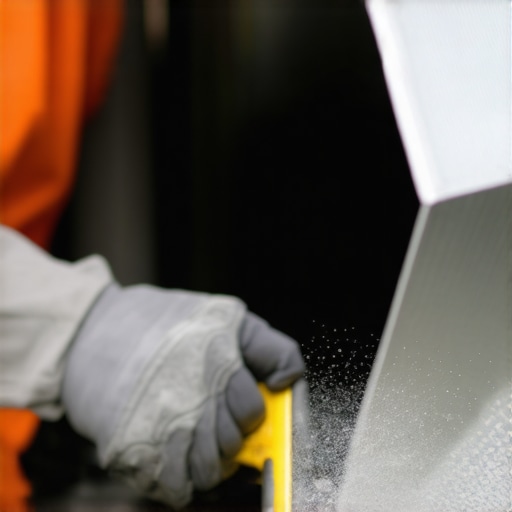
So, how often should you actually book duct cleaning services? If a ‘Sales Tech’ tells you it needs to be done every year, show him the door. For the average home in a Northern climate, every 3 to 5 years is the sweet spot. However, if you’ve recently undergone a renovation, you have essentially dumped five years of drywall dust into your return air system. That fine white powder acts like sandpaper on your blower motor bearings and can coat your heat exchanger, reducing its efficiency and potentially leading to cracks. If you use high-efficiency MERV filter upgrades, you might think you’re safe, but those thick filters can actually increase static pressure. If the ductwork wasn’t designed for a MERV 13, you’re putting a mask on a marathon runner. This leads to the blower motor drawing more ‘juice’ (amperage), which eventually cooks the capacitor. I’ve performed more capacitor replacement services on units with pristine filters and choked ducts than I can count.
The Anatomy of the Air Path: Beyond the Vacuum
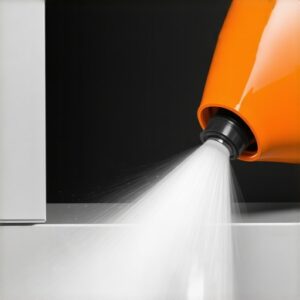
True duct cleaning isn’t just about sticking a shop-vac down a floor register. It requires a negative air machine and agitation tools that break the ‘Pookie’ (mastic) and dust loose from the walls of the plenum. While we’re in there, we often find that the heat exchanger cleaning is the most critical part of the job. A layer of dust just 1/16th of an inch thick on a coil or heat exchanger can reduce efficiency by 20%. In boilers, we see a similar issue with scaling, which is why boiler repair services often involve flushing the system to restore that vital heat transfer. If you have radiant floor heating installation or snow melt systems installation, you don’t have ducts, but you have fluid dynamics to worry about. For forced-air systems, however, the duct is the primary failure point.
‘Proper airflow is required for the equipment to meet its rated AFUE or SEER2 efficiency; without it, the laboratory numbers are meaningless.’ – ACCA Manual D Standards
The 2025 Shift: Low-GWP Refrigerants and Modern Airflow
As we move into 2025, the industry is pivoting toward low-GWP refrigerant retrofits and A2L gases like R-454B. These new systems are more sensitive to airflow than the old ‘sluggers’ of the 90s. If your ducts are leaky or dirty, these new high-tech units will throw an error code faster than a ‘Sparky’ can wire a sub-panel. This is why 2025 climate control innovations focus so heavily on the duct-to-unit match. If you are considering a new heat pump to replace a ventless gas heater, your ductwork must be pristine to handle the higher CFM (cubic feet per minute) requirements. Dirty ducts create ‘hot spots’ and ‘cold spots’ because the air loses its velocity before it reaches the end of the run. This isn’t magic; it’s fluid mechanics. If you want to avoid unnecessary repairs, start by ensuring the path is clear.
The Verdict: When to Call the Pros
If you smell a musty odor when the furnace kicks on, or if you notice a ‘ghosting’ effect (dark lines) on your carpets near the walls, it’s time. Don’t wait for the system to fail and require capacitor replacement or a full system overhaul. A proper cleaning, combined with a check of your static pressure, is the best insurance policy you can buy. Remember, a clean system runs shorter cycles, removes more humidity (latent heat), and keeps your ‘gas’ where it belongs. If you’re unsure, reach out to a professional who knows that airflow isn’t just a suggestion—it’s the law of thermodynamics.”