The Sound of a Desert in Your Basement
You walk into a house in January and the first thing you notice isn’t the heat; it’s the sound of the floorboards screaming and the static electricity jumping off the carpet like a localized lightning storm. That’s not a haunting; it’s the physics of dry air. My old mentor used to scream, ‘Physics doesn’t care about your feelings, kid! You can’t heat air that’s bone dry without wasting half your BTUs!’ He was right. Airflow is king, but humidity is the queen that keeps the king from burning the house down. When homeowners ask about fixing the water level in your furnace humidifier, they usually think it’s a simple float adjustment. Most of the time, it’s a forensic investigation into a system that’s been neglected since the ’90s.
“The most expensive equipment in the world cannot overcome a bad duct system.” – Industry Axiom
In the freezing North, we aren’t just fighting the cold; we’re fighting the evaporation of our own comfort. When the air gets cold, its capacity to hold moisture drops through the floor. We run our furnaces, the heat exchanger gets red hot, and we blast that dry air through the house. Without a properly functioning humidifier, your home becomes a kiln. If you find your humidifier reservoir bone dry or, worse, overflowing into your furnace cabinet, you’re looking at a mechanical failure that can lead to expensive wiring repair for heating systems if that water hits the 24V terminal strip.
The Mechanical Anatomy: Why Your Water Level is Messed Up
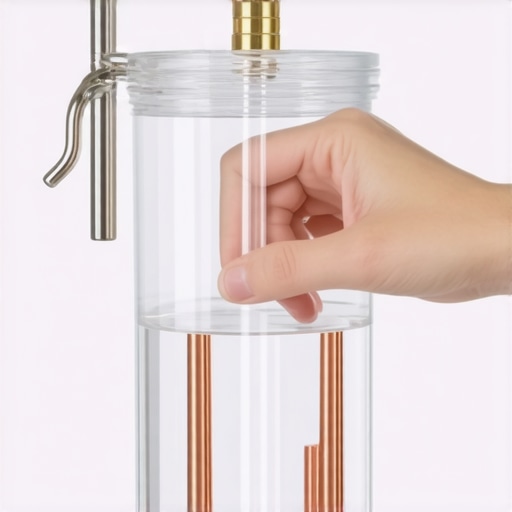
Let’s get technical. Whether you have a bypass humidifier or a power humidifier, the water level is controlled by a few key components: the saddle valve (which I hate), the solenoid valve, and the float or evaporator pad. If you have a drum-style unit, that float is the ‘heart.’ Over time, calcium and magnesium—the ‘juice’ we don’t want—build up on that float, making it heavy. A heavy float doesn’t rise, the valve stays open, and suddenly you have a miniature flood in your utility room. This is where control board diagnostics come into play. Modern systems will throw a code if they sense a short in the relay services or the solenoid circuit. If you’re seeing water where it shouldn’t be, check the solenoid first. A stuck-open solenoid is a common culprit during an annual heating inspection.
You also have to look at the furnace filter replacement schedule. You might think, ‘What does a dusty filter have to do with my humidifier?’ Everything. If the filter is clogged, the static pressure in the plenum rises. This high pressure can actually prevent water from draining properly in some bypass setups, or it can cause the heat to stay trapped, baking the humidifier components until the plastic warps. I’ve seen attic insulation for heating projects fail to provide comfort simply because the air was so dry it was sucking the moisture out of the drywall and the framing itself. It’s all connected.
The Forensic Diagnosis: Step-by-Step Water Level Calibration
First, kill the power. I don’t care if you think you’re a ‘Sparky,’ 24 volts can still ruin your day if you short a transformer. Locate the humidifier’s water feed. If it’s a saddle valve—those cheap little needle valves that clamp onto a copper pipe—check for clogs. They are notorious for ‘liming up.’ If the water is too low, the needle might be restricted. If the water is too high and won’t stop, the solenoid is likely scaled over. This is a great time to check your predictive maintenance alerts if you have a smart thermostat. Often, the system will tell you the ‘humidity runtime’ is exceeding limits, which is a dead giveaway that the water isn’t actually reaching the pad.
“Relative humidity should be maintained between 30% and 50% to minimize biological growth.” – ASHRAE Standard 55
While you’re in there, don’t ignore the furnace flame sensor cleaning. I can’t tell you how many times I’ve seen a ‘Sales Tech’ try to sell a whole new furnace when the unit was just ‘hunting’ for a flame because the sensor was covered in silica dust from a nearby humidifier. The minerals in the water get atomized, pulled into the return air, and then baked onto the flame sensor. It’s a vicious cycle. If you’re running a propane setup, this is even more critical, as propane conversion services require precise combustion air mixtures. A dirty sensor or a mismanaged humidifier can lead to a lockout in the middle of a polar vortex. If you’re unsure if your system is reaching its limit, read about how to identify when furnace repair is urgent and why.
The Regulatory Cliff and the 2025 Standard
We’re moving into an era where efficiency isn’t just a suggestion; it’s the law. With the 2025 transition to new refrigerants and higher AFUE (Annual Fuel Utilization Efficiency) requirements, your humidifier needs to be just as efficient as your burner. We’re talking about efficient HVAC repairs that look at the whole house as a pressurized vessel. For those in the commercial sector, like restaurant kitchen exhaust repair, managing humidity and air pressure is the difference between a comfortable dining room and a kitchen that smells like a wet dog. The same principles apply to your home. If you want to dive deeper into the technical side, check out these heating service hacks for comfort and savings in 2025.
Don’t fall for the ‘Sales Tech’ scam where they tell you a leaking humidifier means you need a $12,000 variable-speed furnace. Usually, it’s a $50 solenoid or a $20 float. If you’re tired of the myths, I’ve seen them all debunked here: furnace repair myths debunked by industry experts. Real HVAC work isn’t about shiny brochures; it’s about ‘Pookie’ (mastic), high-quality ‘Tin Knockers’ who know how to size a return air drop, and a technician who understands that latent heat is the real enemy. Stay warm, stay humidified, and keep your ‘gas’ (refrigerant) where it belongs. For more long-term strategies, see top hvac repair strategies to extend your systems life.