The Sound of a Silent Death: Why Your AC Quit in 115°F Heat
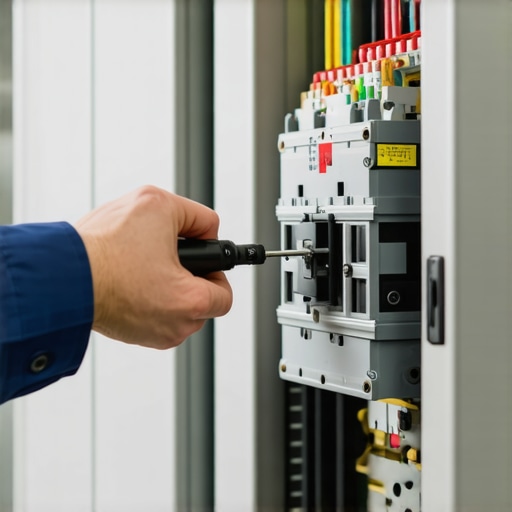
There is a specific kind of silence that hits you when you walk onto a desert patio in mid-July. It is the sound of a compressor that has given up the ghost, or worse, one that is humming its final, agonized dirge. In the Southwest, heat isn’t just a weather report; it is a mechanical predator. I recently followed a “Sales Tech”—you know the type, the guys who carry a iPad instead of a manifold gauge set—who had just quoted a retired schoolteacher $14,000 for a full system replacement. He told her the ‘heart of the machine’ was dead. I walked in, pulled the service panel, and smelled it: not the acidic, sour stench of a burnt-out compressor, but the ozone-heavy scent of scorched plastic. Her contactor was pitted and welded shut, sending a single leg of power to the compressor and trying to start it under a massive inductive load. A $40 part was hours away from killing a $5,000 scroll compressor. This is the reality of HVAC repair; it is a game of inches and electrical continuity.
The Anatomy of an Electrical Execution
To understand why this matters, we have to use some Thermodynamic Zooming. Your AC isn’t “making cold.” It is a heat-moving machine. The evaporator coil inside drops below the dew point to wring out latent heat, while the condenser outside has the thankless job of shedding that heat into 110°F air. In dry climates like Nevada or Arizona, we deal with massive Sensible Heat loads. This requires the compressor to work at high head pressures. The contactor is the heavy-duty relay that tells the “gas” (refrigerant) when to move. It’s a simple magnetic switch, but when those silver-cadmium contacts get pitted from thousands of cycles, they create resistance. Resistance creates heat. Heat welds the contacts together. When that happens, the compressor might keep running even when the thermostat is satisfied, or it might ‘chatter,’ rapidly cycling the motor until the internal windings cook their insulation off. That’s how you lose a $5,000 component over a part that costs less than a decent steak dinner.
“The most expensive equipment in the world cannot overcome a bad duct system or neglected electrical components.” – Industry Axiom
The Myth of the ‘Topped Off’ System
I hear it every day: “Just add a little Freon, Sparky.” First off, I’m a tech, not a ‘Sparky’ (that’s for the electricians). Second, your HVAC is a sealed system. If you’re low on “juice,” you have a leak. Period. Adding refrigerant to a leaking system is like trying to fill a bucket with a hole in the bottom while standing in a rainstorm. It’s lazy and it’s illegal under EPA Section 608 for larger systems. More importantly, it ignores the HVAC load calculation services that should have been done correctly the first time. If your unit is struggling, it might not be the charge. It could be that your “Tin Knocker” (duct installer) undersized the return air, causing the suction line to lose its ‘beer can cold’ feel and making the compressor run hot. Understanding the top HVAC repair strategies to extend your system’s life starts with realizing that the compressor is the last thing that fails—usually, something else murdered it.
Modern Controls vs. Mechanical Reality
We live in the era of WiFi thermostat integration and voice control setup Alexa Google. These are great for convenience, but they can mask deep-seated mechanical issues. A smart thermostat can tell you that the temperature is rising, but it won’t tell you that your furnace ignition repair is failing because of a fouled flame sensor or a dying thermocouple replacement need. In hydronic heating systems, a smart control might trigger the boiler, but it won’t see the sludge buildup in your radiator replacement project. Whether you are dealing with steam humidifiers or a bypass humidifier repair, the physics remains the same: you cannot automate away maintenance.
“Proper maintenance of electrical components is paramount to ensuring the longevity of hermetic compressors.” – ASHRAE Standards Handbook
If your contactor is humming or ‘buzzing,’ your Google Home isn’t going to save you. You need a tech who knows how to use a multimeter, not just a sales script.
The Forensic Diagnosis: Why Your System is Actually Failing
When I go through a system, I’m looking for the ‘pookie’ (mastic) on the plenum to ensure zero bypass air. I’m checking the capacitor for its microfarad rating. A capacitor is like a battery that gives the compressor a kick-start. In the Southwest heat, these things pop like popcorn. If your capacitor is weak, the compressor draws more amps to start. High amps = high heat = dead compressor. This is why preventative HVAC repair tips are so vital. Spending $200 on a tune-up where a tech actually cleans the coils and checks the contactor points is the only way to avoid the $8,000 ‘surprise’ in August. If you’re unsure about your current tech’s advice, remember that choosing the right HVAC fixes requires knowing the difference between a part failure and a system failure. Don’t let a ‘Sales Tech’ sell you a new house when you just need a new door handle.
{“@context”:”https://schema.org”,”@type”:”HowTo”,”name”:”How to Diagnose a Failing AC Contactor”,”description”:”A step-by-step guide for technicians to identify a pitted or welded contactor before it destroys the HVAC compressor.”,”step”:[{“@type”:”HowToStep”,”name”:”Power Down and Safety Check”,”text”:”Disconnect the main power at the outdoor pull-out or circuit breaker. Use a non-contact voltage tester to ensure the system is de-energized.”},{“@type”:”HowToStep”,”name”:”Inspect Contactor Points”,”text”:”Remove the side panel and locate the contactor. Look for black carbon buildup (pitting) or contacts that are physically stuck together.”},{“@type”:”HowToStep”,”name”:”Test Coil Resistance”,”text”:”Using a multimeter, check the resistance across the 24V coil. An open circuit indicates a failed solenoid coil that cannot pull the contacts in.”},{“@type”:”HowToStep”,”name”:”Check for Voltage Drop”,”text”:”With power restored and the unit calling for cool, measure the voltage drop across the contacts. A high drop indicates excessive resistance and a need for replacement.”}]}