The Ghost in the Machine: Why Your Efficiency is Dying
I remember my old mentor, a man who had more refrigerant in his lungs than oxygen, screaming at me in a cramped mechanical room back in ’94: ‘You can’t move heat if you can’t touch the air, and you can’t control the heat if your switches are welded shut!’ This was my first real lesson in the physics of a failing system. He was talking about the ‘Airflow Manifesto,’ the idea that horsepower means nothing if the thermodynamic delivery fails. Today, I see the same issues, but now they are disguised by fancy ‘Smart’ thermostats. One of the most common, yet overlooked, killers of efficiency is the sticky contactor. It’s a simple relay, a $50 part that, when it fails, behaves like a parasitic drain on your wallet and your compressor’s lifespan.
“The most expensive equipment in the world cannot overcome a bad duct system or faulty control sequence.” – Industry Axiom
The Forensic Diagnosis: Anatomy of a Sticky Contactor
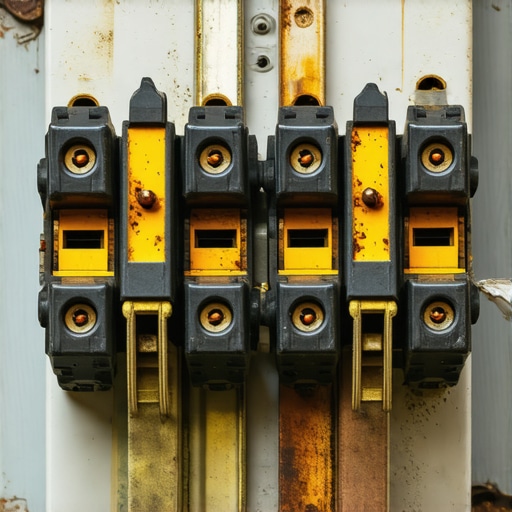
In the North, where we deal with brutal winters and the rising popularity of hyper-heat heat pumps, the contactor is the gatekeeper. It’s a heavy-duty relay that uses a low-voltage signal from your thermostat installation to slam a pair of high-voltage points together, sending ‘juice’ to your compressor and outdoor fan. But over time, those points arc. They pit. They get ‘sticky.’ When the thermostat says ‘stop,’ the contactor stays stuck. Your compressor keeps chugging while the indoor air handler repair needs go ignored because the blower has shut off. This leads to a frozen coil or, worse, liquid slugging where liquid refrigerant (not ‘gas’) returns to the compressor, trying to compress a liquid. Physics doesn’t allow that. It ends in a shattered scroll and a ‘Sparky’ (electrician) wondering why your breaker didn’t trip sooner.
Why Efficiency Tanks in Cold Climates
In our climate zone, we aren’t just fighting heat; we’re fighting the transition of states. When a contactor sticks on a heat pump, the defrost cycle fails. You end up with a block of ice that no amount of heating service can fix without a torch. This isn’t just a comfort issue; it’s a wiring repair for heating systems nightmare. If your thermostat wiring upgrades weren’t done right, the ‘O’ or ‘B’ terminal might not even be sending the right signal to break that contactor’s magnetic hold. We see this often when ‘Sales Techs’ try to push a $15,000 system when the homeowner really just needed a chimney liner installation and a fresh contactor to restore their Energy Star heating certification levels.
Thermodynamic Zooming: Latent vs. Sensible Heat
Let’s talk about the science they don’t tell you at the big-box stores. Your system has two jobs: Sensible cooling (dropping the temp) and Latent cooling (removing moisture). A sticky contactor ruins the timing of these cycles. If the compressor runs too long without the blower because the relay is pitted, the evaporator coil drops way below the dew point. You aren’t just ‘cooling’ anymore; you’re creating a localized ice age. This ruins your airflow measurement services readings because the static pressure spikes as ice blocks the fins. To keep a system running at peak, you need preventative hvac repair tips for year-round efficiency that focus on these electrical components before they weld shut. Check out our preventative maintenance guide for more on this.
The Danger of the Flue and Proper Venting
In the North, efficiency isn’t just about the ‘juice.’ It’s about the exhaust. A sticky contactor in a hybrid system can cause short-cycling that messes with the furnace’s heat exchanger. If the system is confused, you might face flue pipe installation issues where condensation builds up in the vent because the cycles are too short to get the pipe hot. This leads to acidic runoff eating your chimney liner installation. It is all connected. You cannot separate the wiring repair for heating systems from the physical venting of the gases. If you’re hearing a chattering sound from your outdoor unit, that’s the sound of your efficiency dying. It’s time to look at when furnace repair is urgent.
“Failure to maintain proper airflow and electrical contact integrity can result in a 30% increase in energy consumption and premature compressor failure.” – ASHRAE Standards
Repair ($500) vs. Replace ($8,000): When to Pull the Plug
The ‘Tin Knocker’ (duct guy) will tell you it’s the ductwork, and the ‘Sales Tech’ will tell you it’s the whole unit. But if your air handler repair history is clean and your thermostat installation is modern, a sticky contactor is a minor fix. However, if that contactor has been sticking for months, it has likely cooked the ‘Suction Line’ (which should be ‘beer can cold’ in summer) and stressed the windings in the compressor. We use airflow measurement services to see if the system can still hit its Energy Star heating certification marks. If the compressor is drawing 40% more amps than its rating, no amount of ‘Pookie’ (mastic) on the ducts will save you. You need to know what homeowners need to know before signing a contract for a new install.
Final Tech Advice
Stop letting ‘Sales Techs’ scare you into new units because of a ‘burnt wire.’ Most heating service calls in the winter involve simple thermostat wiring upgrades or cleaning out a flue pipe installation that’s been clogged by a bird’s nest. If your unit is humming but nothing is happening, turn it off at the breaker immediately. That sticky contactor is trying to kill your compressor. Contact us for a real diagnosis from someone who knows the smell of burnt electrical and the value of a solid airflow measurement. Reach out to our experts today. “, “image”: {“imagePrompt”: “A macro close-up of a pitted and burnt HVAC electrical contactor relay showing carbon scoring and metallic arcing, inside a weathered outdoor condenser unit with copper lines in the background.”, “imageTitle”: “Pitted HVAC Contactor Points”, “imageAlt”: “Close-up of a damaged and sticky HVAC contactor showing electrical arcing and soot.”}, “categoryId”: 1, “postTime”: “2025-01-24T12:00:00Z”}