The Sound of a System Suffocating
My old mentor, a man who smelled exclusively of pipe dope and grit, used to smack the side of a furnace cabinet and bark, ‘You can’t cool what you can’t touch, kid!’ He was right. You can buy the most sophisticated dual fuel heat pump systems on the market, but if the ductwork was designed by a ‘tin knocker’ who was more interested in speed than physics, your house will never be comfortable. I’ve spent thirty years in attics where the temperature is high enough to melt a screwdriver, and the most common thing I see isn’t a mechanical failure—it’s a physics failure. Airflow is the lifeblood of thermodynamics. When we talk about HVAC load calculation services, we aren’t just guessing; we are measuring the ability of air to carry heat away from your family and dump it into the refrigerant. If that air isn’t moving, the ‘juice’ in your lines isn’t doing its job.
“The most expensive equipment in the world cannot overcome a bad duct system.” – Industry Axiom
In the North, where we deal with everything from humid summers to polar vortexes, the physics of airflow changes. When I perform a furnace filter replacement, I’m not just checking for dust; I’m checking for a pressure drop. If you use those high-MERV ‘hypoallergenic’ filters without a properly sized return air drop, you are effectively putting a plastic bag over your furnace’s mouth. I once saw a heat exchanger crack in three places because a homeowner used a filter so thick the blower motor couldn’t pull air through it. That led to a wiring repair for heating systems that should have been avoided. The blower motor over-amped, the wires cooked, and the board fried. All for a ‘clean’ filter that was actually a chokehold. This is why furnace repair myths often lead homeowners down expensive paths.
Thermodynamic Zooming: The Mystery of Static Pressure
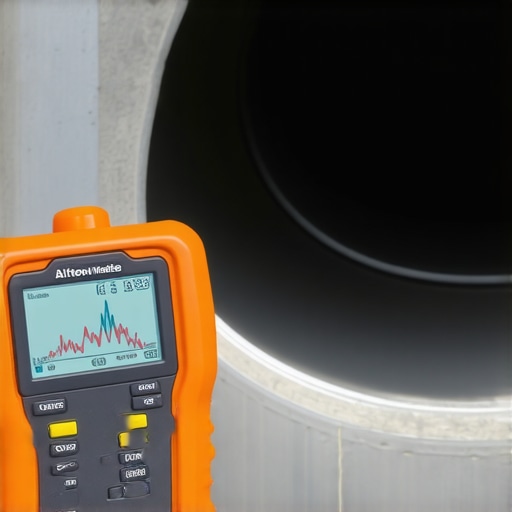
To understand why your ducts are sized wrong, we have to talk about Total External Static Pressure (TESP). Think of it like blood pressure for your house. If the pressure is too high, the heart (your blower) wears out. Most residential systems are designed for a TESP of 0.5 inches of water column. When I hook up my dual-port manometer and see a reading of 0.9 or 1.1, I know the ducts are ‘choked.’ This usually happens at the return air plenum or because of a botched flue pipe installation that creates backpressure issues in older atmospheric furnaces. When the velocity is too high because the ducts are too small, you get that whistling sound at the vents. That isn’t just annoying; it’s the sound of energy being wasted as friction. If you’re dealing with comfort issues, choosing the right HVAC fixes begins with a manometer, not a sales pitch.
The Dual Fuel and Zoning Paradox
We see a lot of zoning system installation requests lately, especially with the rise of WiFi thermostat integration. People think they can just put dampers in the ducts and control every room individually. But physics doesn’t like to be told what to do. If you close off three zones and try to push all the air from a 3-ton blower through a single 8-inch duct, you will freeze the evaporator coil or trip the high-limit switch on your furnace. This is why heat recovery ventilators (HRVs) and bypass dampers are critical in modern homes. Without them, you’re just creating a pressurized bomb of stagnant air. If you are looking into heating service innovations, make sure your tech understands how zoning affects static pressure.
“Design of the duct system shall be based on the airflow requirements of the selected equipment.” – ACCA Manual D
When I’m out on a call for hot water heater repair or a wall furnace installation, I often see the same ‘Sales Tech’ errors. They’ll drop a 5-ton unit into a house that only has 3 tons of ductwork capacity. The customer thinks they’re getting a ‘deal,’ but they’re actually getting a system that will short-cycle itself to death. In cold climates, this means the heat exchanger never gets hot enough to stay above the condensing point, leading to acidic ‘sweat’ that eats through the metal. It’s why extending your system’s life requires a technician who actually knows how to use a pitot tube. If your tech doesn’t own a manometer, show them the door.
The Solution: Science Over Guesswork
Fixing airflow isn’t always about tearing out the drywall. Sometimes it’s about ‘Pookie’ (mastic). Sealing the leaks in your return air plenum can significantly drop the static pressure and improve the air volume reaching the far bedrooms. Other times, it requires a new return air drop to let the furnace ‘breathe.’ If you’re planning for 2025, you need to be aware of the ultimate guide to AC installation because the new refrigerants and higher SEER2 ratings are even more sensitive to airflow than the old R-22 ‘gas’ systems. Don’t let a ‘sparky’ or a fly-by-night ‘tin knocker’ tell you that ‘it’s just the way it is.’ Comfort is a measurable science. If your rooms aren’t cooling or heating evenly, the data is already there in the pressure. If you want a real diagnosis, contact us to get a tech who actually knows how to read a gauge.