The 2025 Refrigerant Cliff and the Death of R-410A
We are standing at the edge of a massive shift in the HVAC industry. If you haven’t heard the whispers yet, let me be the one to give you the cold truth: the era of R-410A is ending, and the transition to A2L refrigerants like R-454B is changing the math on every AC installation in the country. My old mentor, a grizzly veteran named Miller who could smell a burnt contactor from the driveway, used to scream at me, ‘You can’t cool what you can’t touch, and you can’t heat what you don’t understand!’ He was a firm believer that physics doesn’t care about your comfort or your wallet. This is why airflow matters more than horsepower, and why the new hyper-heat pumps are a marvel of thermodynamic engineering rather than just another piece of tin on a pad.
“The most expensive equipment in the world cannot overcome a bad duct system.” – Industry Axiom
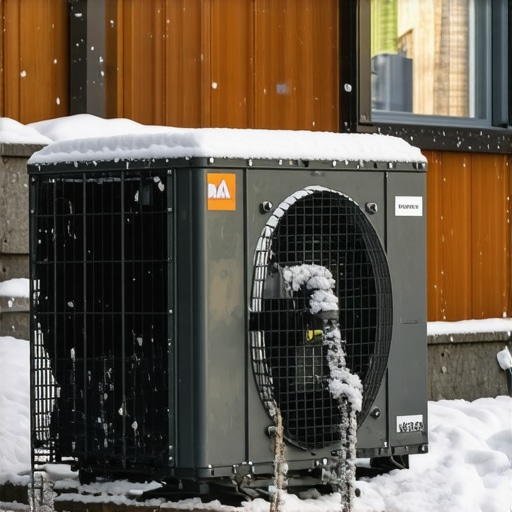
In the North, where the polar vortex turns your driveway into a skating rink, the traditional air-source heat pump used to be a joke. Once the mercury hit 30°F, the system would give up, and those expensive electric backup strips would kick in, spinning your meter like a top. But modern hyper-heat technology has flipped the script. These systems use flash-injection circuits—essentially a bypass that sends a bit of refrigerant back to the compressor to keep it cool while it works overtime to extract heat from -13°F air. Yes, there is still heat in -13°F air; it’s just a matter of having a refrigerant with a low enough boiling point to grab it. This is why heating service innovations are focusing so heavily on inverter-driven compressors that can modulate their speed instead of just slamming on and off like a light switch.
The Anatomy of Sub-Zero Efficiency: Vapor Injection
To understand how these units maintain a COP (Coefficient of Performance) above 2.0 when it’s freezing, you have to look at the vapor injection cycle. When the outdoor ambient temperature drops, the density of the suction gas decreases. A standard compressor has to work harder and gets hotter, which eventually leads to failure. Hyper-heat units use a ‘Power Receiver’ or a sub-cooling circuit. By injecting a mixture of liquid and gas into the scroll compressor during the compression stroke, the system keeps the discharge temperature down while increasing the mass flow of the refrigerant. It’s like a turbocharger for your HVAC. This allows for consistent warehouse heating solutions where large open spaces usually eat heat for breakfast.
But all that tech is useless if your home’s envelope is leaking like a sieve or if your tin knocker did a hack job on the return air. I’ve seen 5-ton units strangled by 3-ton ductwork, leading to high static pressure that burns out motors. When we talk about choosing the right HVAC fixes, we’re usually talking about fixing the airflow before we ever touch the ‘juice’ (refrigerant). If your static pressure is too high, that fancy new hyper-heat pump will oscillate and short-cycle, never reaching the efficiency ratings on the sticker.
Beyond the Pump: Humidifiers, UV Lights, and Control
In the dead of winter, the air isn’t just cold; it’s bone-dry. This is where whole-home humidifiers become mandatory. Dry air feels colder because it accelerates evaporation from your skin. By adding a humidifier, you can actually lower the thermostat by two degrees and feel just as warm. While we’re inside the air handler, we often look at UV light installation for HVAC. In a tightly sealed, high-efficiency home, that evaporator coil can become a breeding ground for biological growth. A properly placed UV light keeps the ‘Pookie’ (mastic) and the coils clean, ensuring that the air you’re breathing isn’t recirculating mold spores.
Then there’s the brain of the operation. Modern homeowners want remote thermostat access and voice control setup Alexa Google integration. While some old-timers hate the electronics, a smart thermostat is the only way to manage the complex staging of a hyper-heat system. If you have a Sparky (electrician) who doesn’t understand low-voltage wiring, they might blow a transformer. A common transformer replacement is often the result of someone trying to DIY a smart thermostat without a C-wire. These 24V components are the nervous system of your HVAC; if they fail, the whole beast dies.
“Standard 62.1-2022 provides the minimum ventilation rates and other measures intended to provide indoor air quality that is acceptable to human occupants.” – ASHRAE Standards
The Reality of Repairs: Furnace Ignition and Boilers
Not everyone is on a heat pump yet. Many of you are still running gas furnaces or boilers. If you hear a ‘click-click-click’ followed by nothing, you’re likely looking at a furnace ignition repair. Whether it’s a dirty flame sensor or a cracked hot surface ignitor, it’s a sign that your system is crying for help. I’ve walked into basements where the boiler hasn’t been touched in a decade. Boiler maintenance services are critical because a cracked heat exchanger isn’t just a repair issue; it’s a carbon monoxide issue. I always tell people to check their venting in the winter. If ice blocks that PVC exhaust during a polar vortex, your furnace will shut down for safety—if you’re lucky. If you’re not, it might start ‘rollout,’ which is exactly as scary as it sounds. Knowing how to identify when furnace repair is urgent can literally save your life.
Don’t fall for the ‘Sales Tech’ who tells you that a slightly dirty blower wheel means you need a $15,000 system. True HVAC repair strategies focus on cleaning and calibration first. If your compressor sounds like a bag of rocks, yeah, it might be time. But if it’s just a $40 capacitor or a loose wire on the contactor, keep your money in your pocket. Always look for the ‘suction line’ to be ‘beer can cold’ in the summer, and in the winter, ensure your heat pump isn’t encased in a block of ice. If it is, your defrost board is shot, or you’ve got a refrigerant leak.
The Verdict on Modern Cold-Climate Tech
The transition to these new systems is inevitable due to the EPA Section 608 regulations and the global phase-down of HFCs. Buying the cheapest unit you can find in 2025 is a trap. These new A2L-ready systems require specialized sensors and leak detection because the gas is ‘mildly flammable.’ It’s not going to blow up your house, but it does mean your technician needs to know more than just how to use a wrench. For more advice on navigating these changes, check out heating service hacks for 2025. Efficiency isn’t just a number on a yellow tag; it’s the result of proper sizing, airtight ducting, and a technician who understands that the laws of thermodynamics aren’t suggestions. If you need a pro who knows the difference between a liquid line and a suction line, feel free to contact us for a real diagnosis. [{“@context”: “https://schema.org/”, “@type”: “HowTo”, “name”: “Maintaining Heat Pump Efficiency in Sub-Zero Temperatures”, “description”: “Learn the technical steps and maintenance requirements to keep a cold-climate heat pump running at peak efficiency during extreme winter conditions.”, “step”: [{“@type”: “HowToStep”, “text”: “Inspect the outdoor unit for ice buildup and ensure the defrost cycle is functioning properly.”, “name”: “Check Defrost Cycle”}, {“@type”: “HowToStep”, “text”: “Clean or replace air filters to maintain maximum airflow, as restricted airflow kills heat pump efficiency.”, “name”: “Optimize Airflow”}, {“@type”: “HowToStep”, “text”: “Verify the thermostat is set to ‘Heat’ and not ‘Emergency Heat’ unless the outdoor temperature is below the unit’s lockout point.”, “name”: “Thermostat Calibration”}, {“@type”: “HowToStep”, “text”: “Ensure the outdoor coil is free of debris, snow, and leaves to allow for proper heat exchange.”, “name”: “Clear Outdoor Debris”}]}]