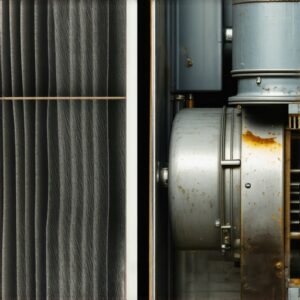
The sound of silence in a Chicago winter isn’t poetic; it’s a mechanical failure. You hear the inducer motor kick on—that familiar whirring of air being pushed out the flue pipe—followed by the click-click-click of the igniter. The burners roar to life, a beautiful blue dance of combustion, only to vanish three seconds later. Then, the silence returns, followed by the frantic blinking of a diagnostic LED on the control board. You’ve just experienced a furnace lockout. Most ‘Sales Techs’ will look at that blinking light and tell you that your entire variable speed furnace needs a $12,000 replacement or that your heat exchanger is cracked without even pulling the blower. I’ve seen it a thousand times. They want to sell you a shiny new box when the reality is a thin layer of carbon and silica on a piece of stainless steel is holding your comfort hostage.
The Physics of Flame Rectification: Why It Fails
My old mentor used to scream, ‘You can’t cool what you can’t touch, and you can’t burn what you can’t sense!’ This is why airflow matters more than horsepower, and why sensing the flame is the most critical safety protocol in your cabinet. We aren’t just looking for heat; we are looking for electricity. The flame sensor works on a principle called flame rectification. When the burner ignites, the flame itself becomes a conductor. The furnace control board sends an AC voltage to the sensor. The flame then ‘rectifies’ this into a tiny DC current, measured in microamps. If that signal doesn’t reach the board within a few seconds, the board assumes the gas is flowing without a fire—a recipe for a basement-level explosion—and it shuts the gas valve down hard. This is where most homeowners start panic-searching for how to identify when furnace repair is urgent and why, when they really just need a piece of Scotch-Brite and a nut driver.
“Proper maintenance of combustion sensing components is essential for the safe and efficient operation of high-efficiency gas-fired equipment.” – ASHRAE Standard 103
In the North, where we deal with brutal humidity swings and dust from the ductwork, the flame sensor is a magnet for oxidation. As the burners fire, microscopic impurities in the air and gas create a ceramic-like coating on the sensor. This insulation blocks the flow of microamps. The board thinks the flame is missing even when it’s roaring. It’s a classic case of the ‘brain’ losing touch with the ‘limbs.’ This isn’t like a furnace repair myth debunked by industry experts; it’s raw physics. If the electrons can’t jump the gap, the heat stays off.
INSERT_IMAGE_HERE
The 10-Minute Forensic Diagnosis and Fix
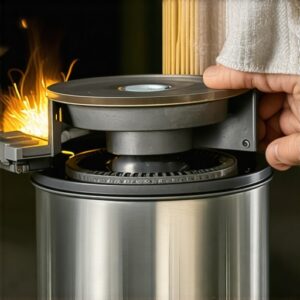
Before you start calling for variable speed furnace services or an expensive air handler repair, you need to look at the burner assembly. First, kill the power. Don’t be the guy who gets zapped by a 120V line because you were too lazy to flip the service switch. Open the upper cabinet. You’ll see the burners. On the opposite side of the igniter (the thing that glows orange), you’ll find a single thin metal rod poking into the path of the last burner. That’s your culprit. It’s held in by one 1/4-inch hex screw. Remove the screw, disconnect the wire—being careful not to let the ‘Sparky’ in you touch the cabinet—and pull the sensor out. If it looks dull or has a white/grey crust, it’s dirty. Use a light abrasive—never sandpaper, which can leave silica that melts back onto the rod—to clean it until the stainless steel shines. Reinstall it, and nine times out of ten, your furnace will stay lit. It’s a fix so simple it makes the commission-hungry ‘Tin Knockers’ cry.
The High-Tech Trap: App-Controlled Systems and Sensors
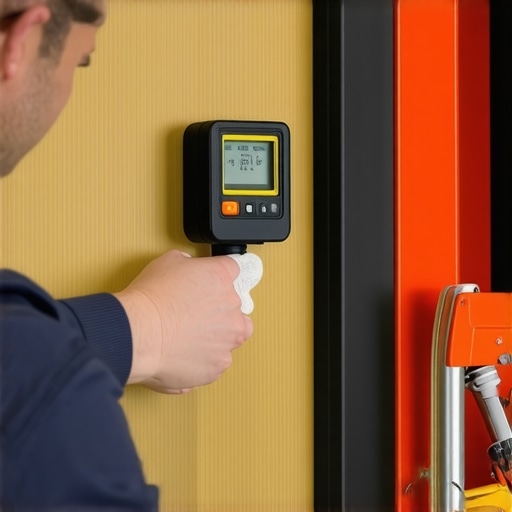
We are moving into an era of heating service innovations transforming 2025 climate control, where everything is a ‘smart’ device. Homeowners love their app-controlled heating systems and geofencing temperature control, but the smartest thermostat in the world can’t bypass a dirty flame sensor. In fact, these high-tech systems often make the problem harder to diagnose. Your phone tells you the ‘System is Offline’ or ‘Heating Error,’ but it won’t tell you that a $0.05 piece of carbon is the reason you’re shivering. I’ve walked into million-dollar homes with thermostat wiring upgrades that cost more than my first truck, yet the owner was using a space heater because they didn’t know how to clean a rod. If you’re considering an oil to gas conversion or a garage heater installation, remember that the more complex the system, the more vital the basic sensors become.
“The most expensive equipment in the world cannot overcome a bad duct system or neglected core sensors.” – ACCA Manual J Axiom
While you’re in there, check your contactor repair needs for the summer or ensure your flue pipe installation isn’t showing signs of back-drafting. If you see soot near the sensor, you have a bigger problem than just dirt; you have a combustion issue. In the cold North, we also see people trying to bypass these sensors or install a wood burning stove installation as a backup because they don’t trust their furnace. Trust the physics, not the ‘Sales Tech.’ If you want real longevity, look into preventative HVAC repair tips for year-round efficiency and keep that sensor clean. If you’re still stuck, you can always contact us for a real tech who knows the difference between a repair and a sales pitch. Don’t let a 10-minute job turn into a $15,000 nightmare.