The Sound of a Dying Heart: Why Your Compressor is Humming
You walk out to the condenser on a Tuesday afternoon and instead of the reassuring roar of a fan and the steady thrum of the compressor, you hear it: a rhythmic, desperate hum-click. That sound is the heartbeat of a machine that is trying to beat its own brains out. As an HVAC veteran who has spent more time on scorching rooftops than in my own living room, I can tell you that this sound usually points to one of two things: a dead capacitor or a burnt start relay. If you ignore it, that humming compressor is going to heat up its internal windings until the insulation melts, the ‘juice’ (refrigerant) turns acidic, and you are staring at a multi-thousand-dollar HVAC repair bill. My old mentor, ‘Iron Lung’ Larry, used to scream at us greenhorns, ‘You can’t cool what you can’t touch!’ This is why airflow and startup physics matter more than any fancy brand name on the cabinet. If the air isn’t moving right or the motor can’t kick-start, the whole thermodynamic cycle becomes a suicide pact for your equipment.
“The most expensive equipment in the world cannot overcome a bad duct system or improper electrical starting components.” – Industry Axiom
The Forensic Anatomy of the Start Relay
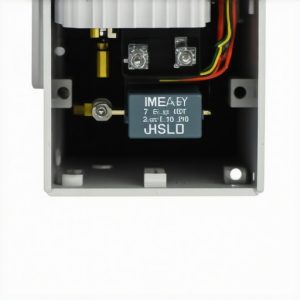
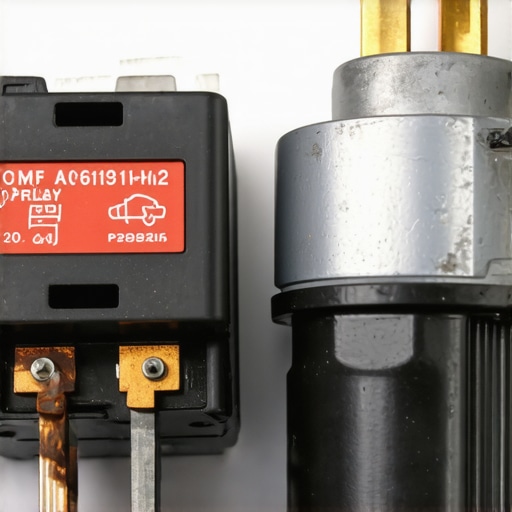
To understand why a relay burns, you have to understand the ‘inrush current.’ When your compressor starts, it needs about five to six times its running amperage just to get the rotor spinning. In northern climates where we deal with everything from biomass boiler services in the winter to garage heater installation, the transition to summer cooling puts immense stress on these electrical components. A start relay’s job is simple: it’s a gatekeeper. It throws a high-voltage start capacitor into the circuit for a fraction of a second to provide that initial kick, then it’s supposed to get out of the way. If those contacts weld shut—usually due to high heat or a ‘Sparky’ (electrician) who didn’t size the wire right—that capacitor stays in the circuit. The compressor windings start screaming under the load, and eventually, the relay lets out the magic smoke. You’ll smell it before you see it: a sharp, ozone-tinged scent of toasted plastic and sulfur. This is often exacerbated by poor static pressure testing; if your ducts are too small, the compressor has to work harder against higher head pressures, increasing the heat at the terminal block.
Signs of a Burnt Relay Before the Meltdown
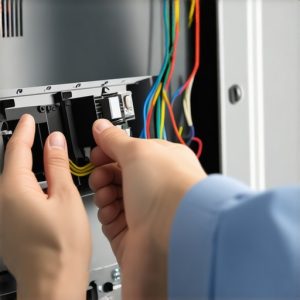
How do you catch it? First, listen for the ‘short cycle.’ If the unit starts and stops every few minutes, the relay might be overheating and tripping the internal thermal overload. Second, look at your lights. If the house lights dim significantly every time the AC tries to kick on, that’s a sign the compressor is struggling to break inertia, often because the start relay is failing to engage the capacitor properly. This is where system performance testing becomes vital. We use a multimeter to check the resistance across the relay pins. If we see ‘OL’ (open loop) or a charred casing, the diagnosis is sealed. In new construction heating design, we often see relays fail because the smart thermostat setup wasn’t configured with the proper delay-on-break timers, causing the compressor to try and start against high residual pressure. This is a death sentence for a relay.
“Excessive heat is the primary cause of insulation failure in hermetic compressor windings, often initiated by faulty starting apparatus.” – ASHRAE Standard 15
The Math: Repair vs. Catastrophe
Let’s talk turkey. A high-quality potential relay costs a fraction of a new compressor. If you catch a burnt relay early, you’re looking at a standard service call. If you wait, you’re looking at a ‘burnout.’ When a compressor burns out, it releases acid into the suction line. This acid contaminates the entire system. You can’t just swap the compressor; you have to flush the lines, replace the filter drier, and maybe even install a UV light installation for HVAC to help manage microbial growth in the damp evaporator coil, though that won’t fix the acid. You should check out these top HVAC repair strategies to extend your systems life to avoid this nightmare. Often, HVAC duct sealing with ‘Pookie’ (mastic) can lower the total external static pressure, allowing the compressor to run cooler and extending the life of your electrical components. Many homeowners find that efficient HVAC repairs are the only way to survive the peak summer surge without a total system collapse.
Preventative Tactics and Airflow Logic
If you want to stop burning relays, you have to treat the root cause, not just the symptom. This means ensuring your priority service memberships include a check of the electrical tightenings. Loose wires cause resistance; resistance causes heat; heat burns relays. If your tech isn’t checking the microfarad rating on your capacitors during a tune-up, they are just a ‘Sales Tech’ looking for a commission. Real maintenance involves checking the ‘gas’ (refrigerant) levels and ensuring the coils are washed. A dirty condenser coil raises the head pressure, which makes the compressor pull more ‘juice’ on startup, frying the relay. If you are worried about your current system’s health, it might be time to contact us for a professional diagnostic. Remember, comfort is a matter of physics, not luck. Whether it’s a garage heater installation or a complex AC system, the electrical path must be clean, and the air must move freely. Don’t let a $50 part kill your $5,000 investment because you ignored a hum and a smell.