The Physics of Why Your Guest Room is a Meat Locker
Every winter, I get the same phone calls. A homeowner is sitting in a living room that’s 75°F, wearing a parka because their bedroom is 62°F. They think they need a bigger furnace. They think more ‘horsepower’ is the cure. My old mentor, a grizzly old tech who could smell a cracked heat exchanger from the driveway, used to grab me by the collar of my uniform and scream, ‘You can’t heat what you can’t touch!’ This is the fundamental law of the Airflow Manifesto. Most comfort problems aren’t about capacity; they are about the physics of air delivery. When a single-stage furnace kicks on, it’s like an all-or-nothing drag racer. It blasts 140°F air at full throttle until the thermostat is satisfied, then it dies. The result? You get a massive slug of heat that rises to the ceiling, while the far reaches of your ductwork never even see a steady stream of BTUs. This is where high-efficiency furnace installation with two-stage technology changes the math of thermodynamics in your home.
“Equipment shall be sized in accordance with ACCA Manual J, as the most expensive equipment in the world cannot overcome a bad duct system or improper staging.” – ACCA Manual J Standards
To understand why your house has ‘microclimates,’ we have to look at the blower motor replacement cycle and static pressure. Your old single-stage unit is a blunt instrument. A two-stage furnace, however, operates at about 65% of its total capacity for the majority of the time. This longer, lower-intensity run cycle allows the air to actually circulate. It keeps the ‘Tin Knocker’s’ handiwork—your ductwork—pressurized longer, ensuring that the ‘sensible heat’ actually reaches those distant corners. If you are in a cold climate like Chicago or the Northeast, you aren’t just fighting the cold; you’re fighting the density of the air itself. [image_placeholder_1] When the furnace runs on ‘low’ stage, it’s not just saving gas; it’s preventing the rapid expansion and contraction of your heat exchanger, which is the primary cause of premature failure and the dreaded ‘cracked’ diagnosis that leads to furnace repair emergencies. You can learn more about avoiding these traps in our furnace repair myths debunked guide.
The Thermodynamic Zoom: Latent Heat vs. Sensible Heat
In the HVAC world, we talk about ‘sensible heat’—the temperature you see on the wall—but in winter, we also have to deal with the lack of ‘latent heat’ (moisture). This is where humidifier installation becomes part of the thermal envelope. Dry air feels colder at the same temperature because it accelerates evaporation from your skin. By installing a two-stage system, you allow the humidifier to run for longer periods, properly saturating the air stream. It’s not magic; it’s psychrometrics. If your air is too dry, your 72°F living room feels like 68°F. If you want to dive deeper into how these components work together, check out the heating service hacks for 2025. We also see this in hydronic heating systems, where the thermal mass of water provides a much steadier heat than the ‘blast and quit’ method of cheap furnaces.
Why ‘Pookie’ and Duct Sealing Matter More Than Brand
I’ve seen $15,000 Energy Star heating certification units fail to heat a 1,200-square-foot ranch because the installer didn’t understand HVAC duct sealing. We use a mastic sealant—or what we calls ‘Pookie’ in the trade—to ensure that the ‘juice’ (the heated air) actually reaches the register. If your ductwork is leaking into your crawlspace or attic, you’re just heating the squirrels. A two-stage furnace relies on backpressure to function correctly. If the ‘Sparky’ (electrician) and the tin knocker didn’t coordinate on the smart building management sensors, the unit will short cycle. Short cycling is the silent killer of compressors and blower motors alike. It’s like driving your car in stop-and-go traffic for ten years; eventually, the transmission is going to fall out. This is why we push priority service memberships—not to sell you stuff, but to make sure a tech actually checks your static pressure before the ‘polar vortex’ hits. Proper maintenance is covered extensively in our preventative HVAC repair tips.
“Total system airflow shall be within 10% of the design specified by the manufacturer to ensure proper heat exchange and prevent flame rollout.” – ASHRAE Standard 62.2
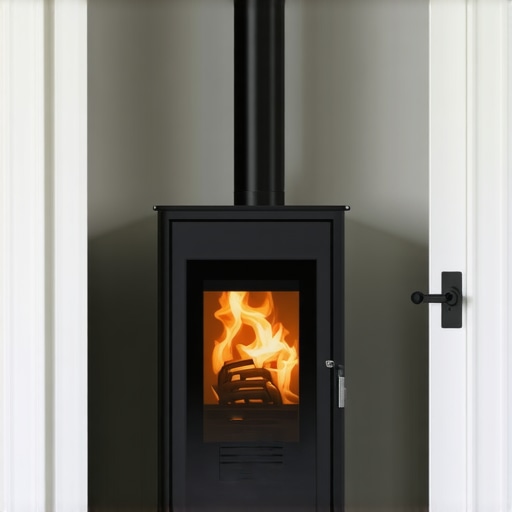
In the North, we also have to worry about the ‘monoxide monster.’ High-efficiency furnaces use PVC venting because the exhaust is so cool it would condense and rot out old metal flues. But if that fireplace insert services tech didn’t check the draw on your chimney, or if your furnace intake is blocked by snow, you’ve got a dangerous situation. Two-stage units often have sophisticated dehumidification services and sensors that can shut the system down before things get lethal. This is the difference between a ‘Sales Tech’ who just wants to swap a box and a real Airflow Architect who looks at the whole house. For more on high-stakes installs, see our ultimate guide to installation. Don’t let someone talk you into a massive unit you don’t need; comfort is about the steady move of air, not the size of the furnace cabinet.