The Night the Mercury Died: A Reality Check from the Trenches
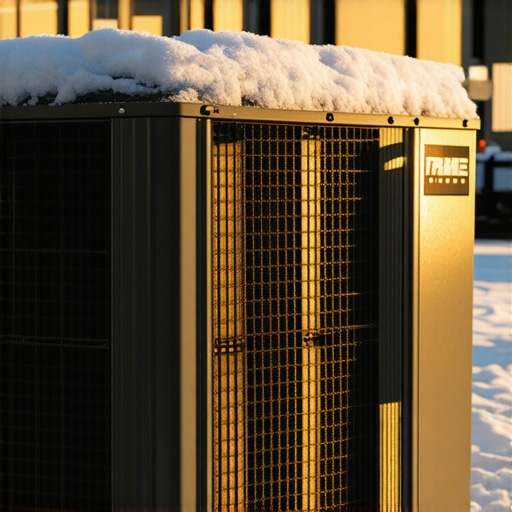
I was in a crawlspace at 3 AM in mid-January, -15°F ambient temp with a wind chill that would make a polar bear reconsider its life choices. The homeowner was shivering, and their five-year-old ‘high-efficiency’ heat pump had turned into a literal block of ice. The defrost board had fried, and the backup electric heat strips were pulling so much amperage they nearly melted the lugs off the disconnect. This is the reality of traditional heat pumps in the North. For decades, we told folks in cold climates to stick to gas or steam. We told them heat pumps were ‘shoulder season’ toys that quit when things got serious. But the physics changed. I followed a tech last week who tried to tell a customer that they needed a $20,000 boiler replacement for a simple zoning issue. I caught him trying to sell a dream when the reality was right in front of him: airflow and the right refrigerant cycle. That’s where Hyper-Heat comes in. It’s not just a marketing term; it’s a fundamental shift in how we handle latent heat and sensible heat when the world outside feels like a meat locker. If you’ve been told a heat pump won’t work in the cold, you’ve been talking to a ‘Sales Tech’ who doesn’t understand the refrigeration cycle. Let’s talk about why Hyper-Heat heat pumps are the cold-climate solution we’ve been waiting for.
The Thermodynamics of the Deep Freeze
Standard heat pumps lose capacity as the outdoor temperature drops. It’s basic physics: as the air gets colder, there’s less heat to ‘extract,’ and the density of the refrigerant gas returning to the compressor drops. Your compressor starts working harder for less reward, and eventually, the suction line—which should be ‘beer can cold’ in the summer—becomes a liability in the winter. Hyper-Heat systems utilize vapor injection technology. By injecting a bit of flash-cooled refrigerant back into the scroll compressor, we can maintain mass flow even when the outdoor coils are screaming. This allows these units to provide 100% heating capacity down to 5°F and keep chugging at 76% capacity all the way down to -13°F. This is a massive shift from the old days of steam boiler repair being the only option for old Victorian homes.
“The most expensive equipment in the world cannot overcome a bad duct system.” – Industry Axiom
When we talk about heating service innovations, we are talking about overcoming the ‘thermal cliff’ that used to kill heat pump efficiency.
[image_placeholder_1]
The Regulatory Cliff: R-410A is Dead, Long Live R-454B
If you’re looking at a new system in 2025, you need to understand the R-454B refrigerant transition services. We are moving away from R-410A because the EPA decided its Global Warming Potential was too high. The new ‘juice,’ R-454B, is what we call an A2L refrigerant—mildly flammable. Don’t panic; your house isn’t going to explode, but it does mean the tin knocker and the sparky have to be a lot more careful during new construction heating design. These systems now require leak sensors and specific mitigation boards. If you buy a cheap ‘clearance’ R-410A unit now, you’re buying a dinosaur. When that system eventually leaks—and it will, because vibration is a constant—the cost to recharge it will be astronomical. You’re better off investing in a ductless mini-split installation that is built for the new regulatory standards. Check out these expert tips for 2025 installation success to see how these changes affect your wallet.
Airflow is King: Why Your Shop is Freezing
I see it every day in shop heater services and garage heater installation. A guy buys a massive unit, hangs it from the rafters, and then wonders why his feet are freezing while the ceiling is 90°F. It’s not a lack of BTUs; it’s a lack of static pressure management and air throw. In a garage or shop setting, you need to account for the high ceilings and the massive heat loss from that uninsulated overhead door. This is why attic insulation for heating is the single most underrated upgrade you can make. You can put the biggest Hyper-Heat unit in the world in your house, but if your attic is R-11, you’re just heating the squirrels. We use ‘Pookie’ (mastic) to seal every joint in the ductwork because air leakage is the silent killer of efficiency.
“Design for the load, not for the square footage.” – ACCA Manual J
If your tech doesn’t pull out a laptop to calculate the load, he’s guessing with your money. For those with specialized needs, like pellet stove repair or dehumidification services, understanding how these supplemental systems interact with your primary heat pump is critical. A pellet stove is great for ‘dry heat,’ but it won’t help with the latent heat issues you might face in a damp basement during a thaw.
The Blueprint for Cold-Climate Comfort
Choosing the right fix isn’t about picking the prettiest box; it’s about boiler maintenance services for those with hydronic systems or moving to a variable-speed inverter if you’re on forced air. If you’re hearing a screeching bearing or a rhythmic thumping, don’t wait. Learn how to identify when furnace repair is urgent before your pipes burst. The transition to Hyper-Heat and A2L refrigerants is the biggest change I’ve seen in 30 years. It’s complicated, it’s technical, and it requires a pro who knows more than just how to swap a capacitor. Whether you need a steam boiler repair to keep an old system alive or a ductless mini-split installation to reclaim your man-cave, remember: physics doesn’t care about your feelings, and it definitely doesn’t care about a sales pitch. It cares about airflow, refrigerant charge, and proper insulation. Don’t fall for the myths debunked by industry experts; get the facts and get comfortable.