The Sound of a Dying Induction Motor: Why Silence is Expensive
The coldest night of January doesn’t start with a bang; it starts with a click, a hum, and then a deafening silence. As a technician who has spent thirty years crawling through fiberglass-filled attics in the Midwest, I can tell you that silence is the most expensive sound in the world. Most homeowners treat their HVAC system like a toaster—they expect it to work until it doesn’t. But a furnace is a combustion engine that breathes, and just like your truck, if you don’t change the oil, the pistons will eventually weld themselves to the block. The question isn’t whether preventative maintenance has value; the question is whether the contract you’re being sold is a shield against disaster or a ticket for a ‘Sales Tech’ to get inside your door and quote you a $15,000 replacement for a dirty flame sensor.
The Mentorship of Physics: Why Airflow is King
My old mentor, a grizzled tin knocker who could smell a gas leak from the curb, used to scream at me, ‘You can’t heat what you can’t touch!’ At the time, I thought he was just being cranky, but thirty years of diagnostic calls proved him right. He was talking about the boundary layer of air on a heat exchanger. If your airflow is restricted due to a lack of duct cleaning services or a choked filter, that heat exchanger isn’t transferring energy; it’s just cooking itself. Heat is lazy. It wants to move from high concentrations to low concentrations. If your blower motor is struggling against high static pressure, you’re not just losing efficiency; you’re literally fatigue-testing the metal of your furnace’s heart. This is the fundamental physics of why preventative hvac repair tips for year-round efficiency start and end with the movement of air molecules.
“The most expensive equipment in the world cannot overcome a bad duct system.” – Industry Axiom
The Forensic Diagnosis: Anatomy of a Maintenance Visit
When I walk up to a unit for a scheduled maintenance call, I’m not looking for things to sell; I’m looking for the ‘Crime Scene’ evidence of future failure. I start with the HVAC load calculation services logic. Did the original installer just ‘rule of thumb’ this unit, or is it sized for the actual heat loss of the structure? In a Northern climate, if your unit is oversized, it short-cycles. Every time that furnace fires up, the heat exchanger expands. Every time it shuts off, it contracts. If it does that 50 times a day because the ‘Sparky’ or the previous tech didn’t do a Manual J, that metal is going to crack. And a cracked heat exchanger is a carbon monoxide death sentence.
The Electrical Nervous System
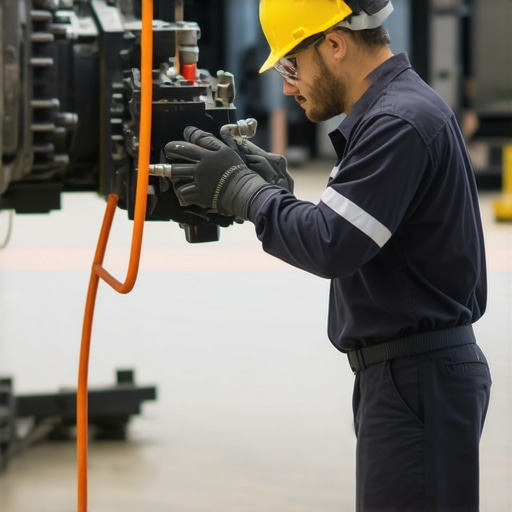
I pull the panel and look at the contactors and capacitors. A capacitor is like a battery that gives the motor a kick-start. In the winter, your blower motor is the workhorse. If that capacitor’s microfarad reading is 10% below spec, the motor runs hot. Heat kills windings. A $20 part during a maintenance visit saves an $800 motor replacement in the middle of a blizzard. I also check for ‘pitting’ on the contactor points. If they look like the surface of the moon, your compressor or blower isn’t getting clean voltage. This is where predictive maintenance alerts are changing the game. New sensors can now tell us when a motor is drawing too many amps before the homeowner even notices the house is getting chilly.
[IMAGE_PLACEHOLDER]
The Thermodynamic Zoom: Latent Heat and Humidification
In cold climates, we deal with the ‘Parched House’ syndrome. When you heat air, its relative humidity drops. This isn’t just uncomfortable for your skin; it’s a thermal property issue. Dry air feels colder because it accelerates evaporation from your skin. This is why whole-home humidifiers are a critical part of a maintenance contract. If the humidifier pad is scaled over with calcium, it’s not doing anything. During a proper heating service, we don’t just check the fire; we check the moisture. We look at the 2nd Law of Thermodynamics in action: we want to ensure the heat stays in the living space, which is why attic insulation for heating is the silent partner of the HVAC unit. If your R-value is garbage, I could put a commercial boiler in your basement and you’d still be wearing a parka in the living room.
The 2025 Regulatory Cliff: R-454B and the Death of R-410A
We are currently standing at a massive transition point in the industry. The move toward low-GWP refrigerant retrofits is no longer a suggestion; it’s a mandate. The ‘Gas’ (refrigerant) we’ve used for years, R-410A, is being phased out for A2L refrigerants like R-454B. These are ‘mildly flammable.’ This means the new systems require specialized leak sensors and different manifold gauges. If you have an older system, a maintenance contract is your best friend right now because it keeps that old unit alive. Replacing a unit in 2025 is going to be 20-30% more expensive due to these regulatory changes. Knowing when to perform a hot water heater repair versus a full system overhaul requires a technician who understands these shifts. I’ve seen ‘Sales Techs’ try to scare people into replacing R-410A systems prematurely. Don’t fall for it. If your coils are clean and your ‘Suction Line’ is beer-can cold (in summer) or your Delta-T is solid (in winter), keep the ‘Juice’ you have as long as possible.
“Standard practice requires a load calculation to be performed prior to equipment selection to ensure system longevity and efficiency.” – ACCA Manual J
The Math: Repair vs. Replace vs. Contract
Let’s talk brass tacks. A standard preventative maintenance contract usually runs between $150 and $300 a year. What does that buy you? First, it buys you ‘Front of the Line’ privileges. When the polar vortex hits and every furnace in town quits, the contract holders get the first trucks. Second, it catches the ‘Nickle and Dime’ failures. A dirty flame sensor—a common cause of ‘no-heat’ calls—can cost $250 for an emergency Sunday visit. It takes a tech five minutes to clean it with a piece of steel wool during a scheduled tune-up. Third, it validates your warranty. Manufacturers like Trane or Carrier can deny a parts claim if you can’t prove the unit was maintained. This is why top hvac repair strategies to extend your systems life always emphasize the paper trail of professional service.
Specialized Zoning: From Hospitals to Garages
We are seeing more homeowners request hospital HVAC zoning technology for their residences. This involves sophisticated dampers and VAV (Variable Air Volume) boxes that treat each room like its own ecosystem. Maintaining these is a nightmare for a ‘Chuck-in-a-truck’ but meat and potatoes for a real tech. Similarly, garage heater installation has surged. Heating a garage is a different beast; you’re dealing with massive infiltration of cold air every time the door opens. If that unit isn’t maintained, the combustion blower will choke on the dust and exhaust fumes, leading to a premature heat exchanger failure. You need a tech who understands heating service isn’t just about the furnace in the basement; it’s about the entire thermal envelope.
The Verdict: Is it Worth It?
If you have a brand-new system, the contract is worth it for the warranty protection and the predictive maintenance alerts. If you have a 15-year-old system, the contract is worth it because that unit is on life support, and you need an expert to monitor the ‘vitals’ like a doctor in an ICU. The only time it’s not worth it is if the company uses the visit as a high-pressure sales pitch. Look for a tech who talks about ‘Static Pressure,’ ‘Subcooling,’ and ‘Flame Rectification.’ If they just look at the age of the unit and tell you it’s time for a new one without pulling a single tool out of their bag, kick them off your property. Comfort is a matter of physics, not a sales quota. Whether you’re looking into heating service innovations transforming 2025 climate control or just trying to keep your old furnace kicking through one more winter, remember: the ‘Pookie’ (mastic) on your ducts and the cleanliness of your coils matter more than the brand name on the box.